
Professional Outdoor Living Contractors in Downtown Boise, ID
Looking for Outdoor Living Contractor in Downtown Boise, ID? We connect homeowners with licensed, insured hardscaping contractors who create stunning patios, walkways, retaining walls, and outdoor living areas.
Popular Outdoor Living Services in Downtown Boise
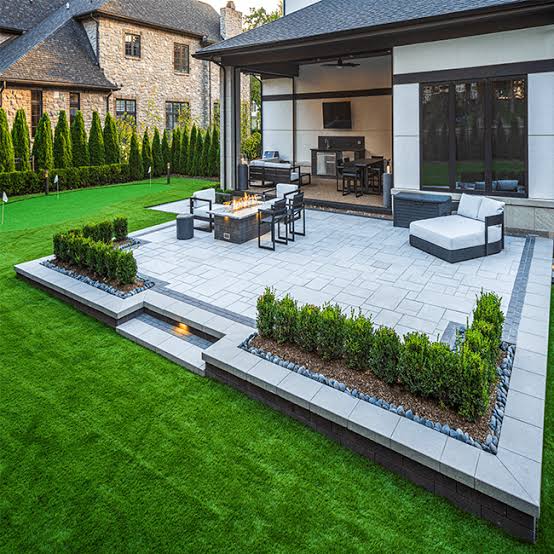
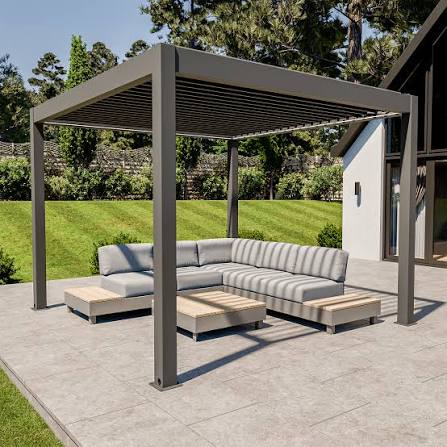
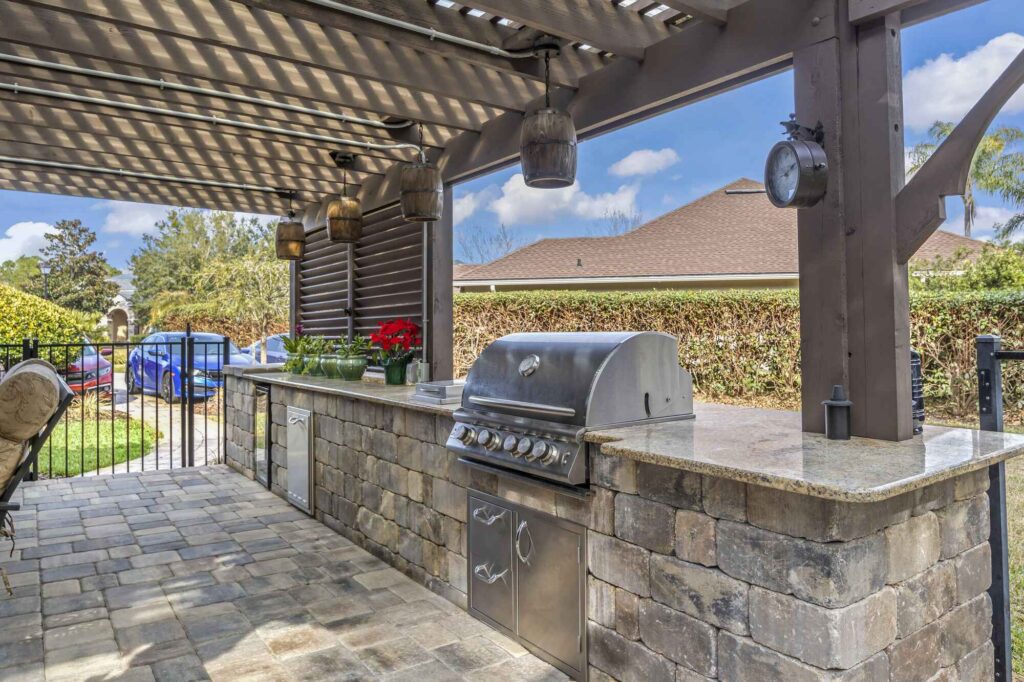
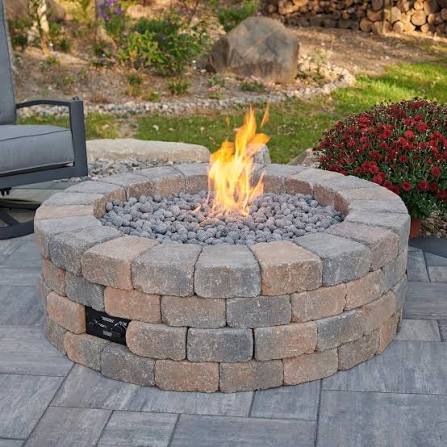
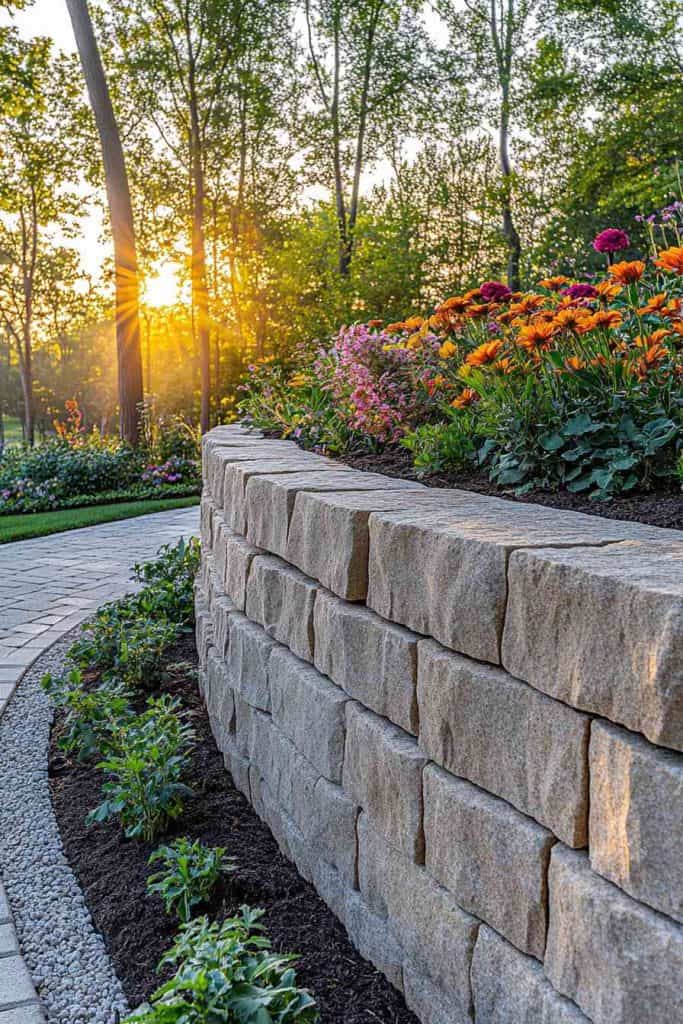
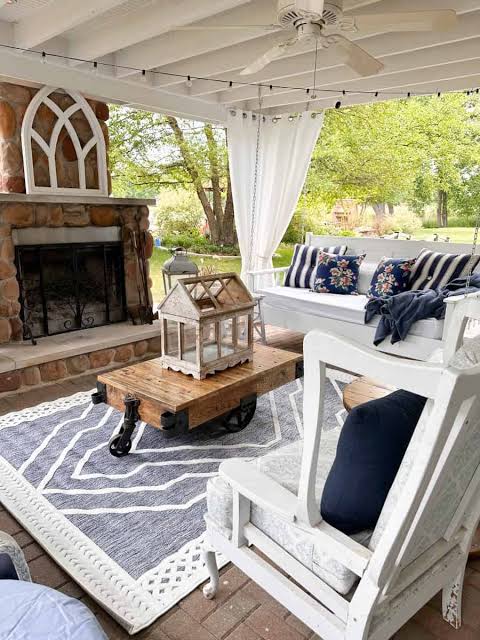
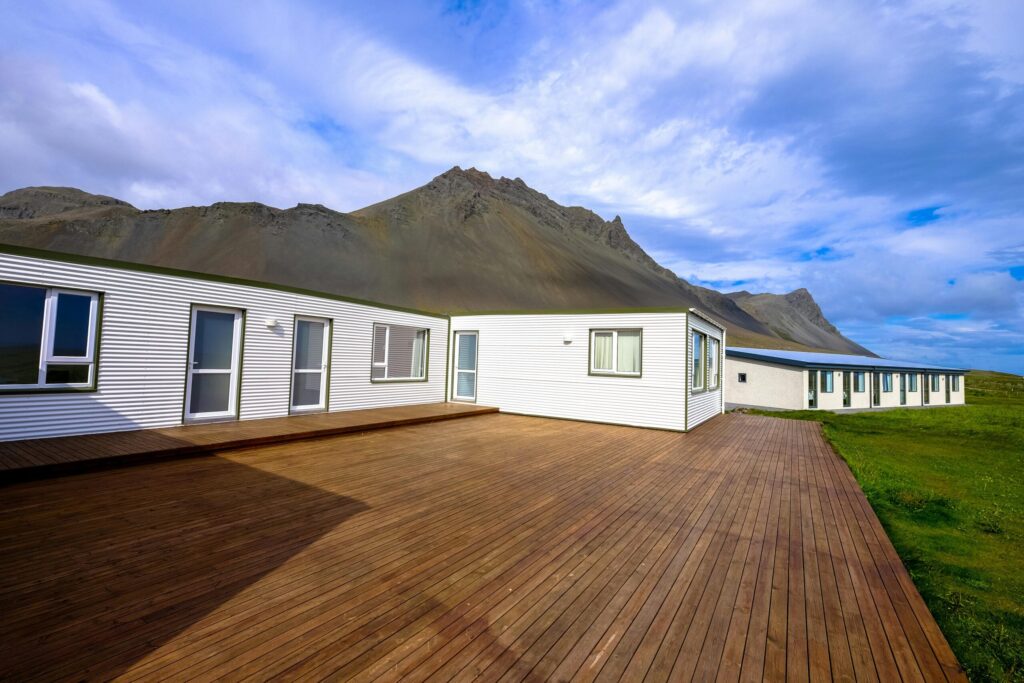
Our Outdoor Living Project Process
1. Initial Consultation & Goals
We discuss how you plan to use your outdoor space, your property's characteristics, budget parameters, and any specific features you're considering.
2. Site Evaluation
Contractors assess your property including sun exposure, wind patterns, views, existing utilities, drainage, soil conditions, and access for construction.
3. Design & Scope Definition
Contractors create plans showing layout, materials, structural details, and integration with your home and landscaping. Designs consider Reno's climate and your usage needs.
4. Contractor Matching
We connect you with licensed, insured contractors experienced with outdoor living projects similar to yours. You review multiple proposals comparing approaches and pricing.
5. Permits & Construction
Work includes grading and drainage, foundation or base preparation, utility installations, structure construction, finishing details, and lighting installation. Timeline varies from 2-8 weeks depending on project scope.
6. Final Inspection & Walkthrough
All work undergoes required inspections. Your contractor demonstrates features, provides maintenance guidance, and ensures your satisfaction.
Outdoor Living in Downtown Boise — What Homeowners Should Know
Urban Housing and Property Types
Downtown Boise offers diverse residential options concentrated in a compact, walkable area bounded roughly by the Boise River to the south, the North End to the north, and extending east toward the Warm Springs area. Housing types include high-rise condominiums like The Aspen Lofts and One Nineteen, mid-rise buildings such as CitySide Lofts and The Travis, boutique condo conversions in historic buildings like the Gem/Noble Building and Idanha, loft-style developments, and a limited number of single-family homes in historic districts along Warm Springs Avenue and Hays Street. Most downtown residents live in condos or apartments ranging from studio units to luxury penthouses with floor-to-ceiling windows offering views of the Capitol, foothills, or city skyline. This concentration of vertical living creates unique outdoor space opportunities different from traditional single-family properties.
Limited Outdoor Space and Creative Solutions
Downtown living typically means working with constrained outdoor areas compared to suburban lots. Most condos include balconies, small private patios, or for lucky penthouse owners, rooftop deck space. Even these limited areas can be transformed into functional outdoor living environments with thoughtful design. Rooftop spaces on penthouse units offer the most flexibility, sometimes including hundreds of square feet for deck construction, pergolas, outdoor kitchens, and seating areas. Ground-floor condos and townhomes may have small private courtyards or patios ranging from 100 to 400 square feet. Mid-level units typically feature Juliet balconies or modest balconies that can accommodate container gardens, compact seating, and privacy screening. Understanding your specific outdoor space limitations and opportunities helps contractors suggest realistic improvements that enhance livability without exceeding structural or HOA constraints.
Condominium Association Requirements
Every downtown condo building operates under a homeowner association with specific rules governing exterior modifications. Condo associations establish design guidelines to maintain building aesthetics and ensure structural integrity. Any changes to balconies, patios, or rooftop spaces typically require HOA architectural committee approval before work begins. This includes installing pergolas, adding privacy screens, deck surface upgrades, built-in planters, outdoor kitchens, or even significant changes to railings and lighting. Association rules often specify acceptable materials, colors, and design approaches to maintain visual consistency across the building. Some buildings prohibit certain modifications entirely due to structural limitations or insurance considerations. Review your specific condo association’s CC&Rs and obtain approval before finalizing outdoor living plans, as retrofitting work to meet requirements after construction proves costly.
City Permitting for Urban Properties
Outdoor living projects on downtown properties require City of Boise building permits for specific types of work. Deck construction or modifications, covered structures like pergolas, electrical installations for outdoor lighting or kitchens, plumbing work for outdoor sinks or water features, and structural changes to existing balconies or patios all trigger permit requirements. For condo properties, the building’s HOA often coordinates with contractors on permitting, though individual unit owners remain ultimately responsible for compliance. Rooftop installations require careful engineering to ensure structural support meets code requirements without overloading the building. Contractors experienced with downtown properties understand these urban permitting nuances and can navigate both city requirements and building-specific considerations efficiently.
Climate and Microclimate Considerations
Downtown Boise’s urban environment creates microclimates that affect outdoor living spaces. The concentration of buildings provides some wind protection but can also create wind tunnel effects in certain areas, particularly on rooftop locations and upper-floor balconies. Boise’s high-desert climate still brings hot, dry summers with temperatures regularly in the 90s, though the Boise River’s proximity moderates conditions somewhat. Winter brings occasional snow and freezing temperatures that affect material selection for year-round installations. Upper-floor units enjoy cooling breezes during summer but face more intense sun exposure without tree canopy protection. Ground-floor patios near the river benefit from slightly cooler temperatures and some tree shade in older parts of downtown. Materials for downtown outdoor spaces must withstand both intense UV exposure and freeze-thaw cycles while meeting any fire-safety requirements specific to multi-unit residential buildings.
Outdoor Living Costs in Downtown Boise
Typical Project Cost Ranges
Understanding cost expectations helps with planning your downtown outdoor living project. These ranges reflect current market conditions for urban properties:
| Project Type | Size Range | Typical Cost Range |
|---|---|---|
| Balcony Deck Refinishing | 50-150 sq ft | $2,500 – $6,000 |
| Rooftop Deck (Penthouse) | 300-500 sq ft | $15,000 – $35,000 |
| Small Patio/Courtyard | 100-200 sq ft | $4,000 – $10,000 |
| Privacy Screen Installation | Per unit | $1,500 – $4,500 |
| Compact Pergola/Shade | 8×10 to 10×12 | $3,500 – $8,000 |
| Balcony Railing Upgrade | Per linear foot | $150 – $350 |
| Rooftop Outdoor Kitchen | Compact built-in | $8,000 – $18,000 |
| Outdoor Lighting System | Per balcony/patio | $1,200 – $3,500 |
| Built-In Planters/Seating | Custom fabrication | $2,000 – $6,000 |
| Hot Tub Installation (Rooftop) | Including structural | $12,000 – $25,000 |
These ranges include materials, labor, permits, HOA application fees, and engineering where required. Downtown projects often involve additional access costs and building-specific requirements.
Key Factors That Influence Pricing
Several elements affect final costs for downtown outdoor living projects. Space constraints and vertical access significantly impact pricing—rooftop projects requiring crane lifts or elevator scheduling for material delivery cost more than ground-floor work. Engineering requirements add expense, particularly for rooftop installations where structural engineers must verify load capacities for decks, pergolas, hot tubs, or outdoor kitchens. Material selection matters considerably; premium composite decking, powder-coated metal railings, and weather-resistant furniture built for exposed urban locations cost more than basic alternatives but provide durability needed for downtown conditions. Design complexity increases costs, especially for custom solutions that maximize limited square footage through built-in seating, fold-down features, or multi-functional elements.
Downtown Boise-Specific Cost Considerations
Location within downtown affects project costs in several ways. High-rise penthouse units like those in The Aspen Lofts or One Nineteen face higher material delivery and access costs compared to ground-floor townhome patios. Buildings with strict HOA requirements may necessitate premium materials or custom fabrication to meet aesthetic standards, affecting budget. Properties in historic buildings sometimes require specialized approaches to maintain architectural integrity while adding modern outdoor amenities. Limited working hours imposed by building management to minimize disruption to other residents can extend project timelines and increase labor costs. Parking restrictions and downtown congestion affect contractor scheduling and material staging, with some buildings requiring after-hours or weekend work at premium rates.
The Importance of Building-Savvy Estimates
Quality contractors provide itemized estimates separating materials, labor, engineering fees, permit costs, HOA application fees, access fees (crane rental, elevator reservations), and any building-specific requirements. This transparency helps you understand the complete investment and makes it easier to prioritize features within space and budget constraints. For downtown properties, estimates should address access logistics, building management coordination, required insurance riders for work in multi-unit buildings, and realistic timelines accounting for HOA approval processes. Detailed estimates establish clear expectations for noise restrictions, working hours, material staging areas, and completion schedules that respect other residents. When comparing bids, strongly prioritize contractors experienced with downtown condo projects—familiarity with building systems, HOA processes, vertical access challenges, and urban construction constraints often determines project success more than price alone.
What Makes Our Contractor Network Different
Downtown Condo and Urban Property Expertise
Contractors in our network regularly work on downtown properties and understand the unique challenges of urban outdoor living projects. They know how to navigate building management requirements, coordinate with HOA architectural committees, and work within the constraints of multi-unit residential buildings. These contractors understand load limitations for rooftop decks, appropriate materials for high-rise installations, and design approaches that maximize limited square footage. They’re familiar with specific buildings like The Aspen Lofts, CitySide Lofts, One Nineteen, The Travis, and others, knowing each building’s particular requirements, structural considerations, and approval processes.
Space Optimization and Urban Design
Creating functional outdoor living areas in compact downtown spaces requires specialized design skills. Network contractors excel at maximizing every square foot, suggesting built-in solutions that provide seating and storage without cluttering limited areas, recommending fold-down or modular furniture that adapts to different uses, and designing vertical elements like privacy screens and planters that create intimacy without consuming floor space. They understand how to orient outdoor spaces to capture views while providing privacy from neighboring units, create shade on exposed balconies and rooftops, and design layouts that make small patios feel larger through thoughtful material choices and sightline management.
HOA Approval and Building Management Coordination
Network contractors maintain experience working with downtown condo association requirements and building management protocols. They know how to prepare HOA applications that address committee concerns, suggest materials and designs that meet building aesthetic standards, and present plans that gain approval efficiently. These contractors understand building access procedures, insurance requirements for work in multi-unit properties, scheduling constraints to minimize disruption to other residents, and coordination with building engineers when structural modifications are involved. This experience prevents costly delays and ensures projects proceed smoothly within the downtown condo environment.
Vertical Access and Urban Logistics
Working on downtown properties, particularly high-rise buildings, requires expertise in material delivery and equipment access. Network contractors understand how to coordinate crane lifts for rooftop material delivery, schedule elevator use for equipment and material transport, stage materials in limited urban parking and loading zones, and work efficiently within tight timelines imposed by building management. They know how to protect building interiors during material movement, manage debris removal in multi-story buildings, and complete work within noise and hour restrictions common to downtown residential buildings.
Durable Materials for Exposed Urban Conditions
Downtown outdoor spaces face unique challenges from wind exposure on upper floors, intense sun without tree protection, and visibility from multiple angles. Network contractors recommend materials proven in urban environments—composite decking that resists fading and weathering, powder-coated metal railings and structures that maintain appearance, tempered glass and acrylic panels for wind protection without view obstruction, and weather-resistant fabrics and furnishings designed for exposed locations. They understand which materials meet fire safety requirements for multi-unit buildings and can suggest approaches that provide durability and low maintenance essential for downtown living.
Licensed & Insured Contractors Only
Every contractor in our network maintains active Idaho contractor licensing and carries appropriate liability and workers’ compensation insurance. For downtown condo work, we verify contractors carry additional insurance coverage required by most building associations for work in multi-unit properties. Licensed contractors stay current with building code requirements, understand proper construction techniques, and bring comprehensive knowledge to your project while maintaining the professional standards required for both city permits and HOA approval.
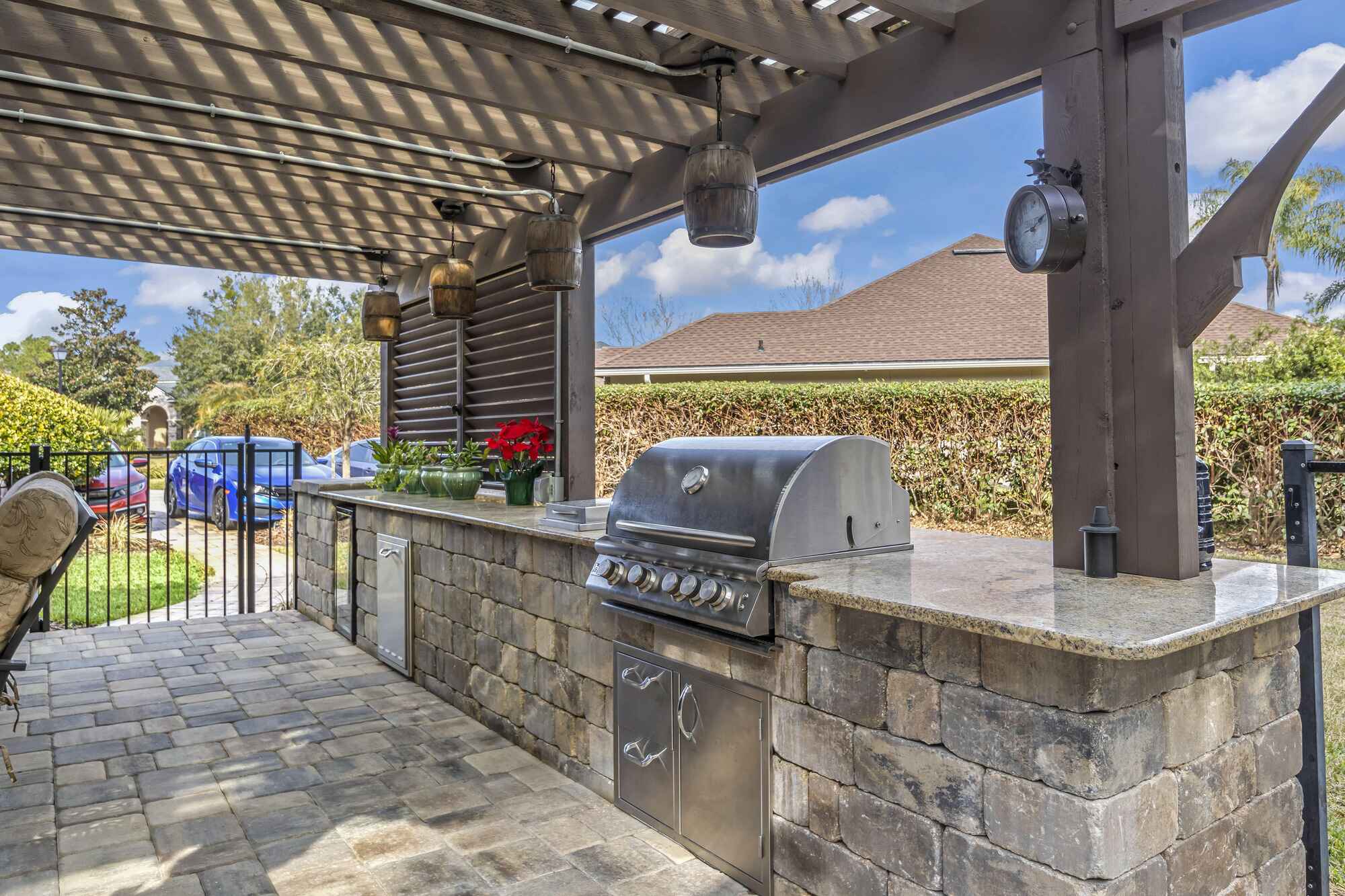
Let's Start Your Backyard Remodel in Downtown Boise!
Let’s chat about your ideas! Getting started is easy – simply reach out with details about your Outdoor Living project, and we’ll connect you with qualified, licensed contractors.
Need Help?
Frequently Asked Questions About Outdoor Living in Downtown Boise
Below are some of the most common questions Our Network get from families about Outdoor Living. If you have any other questions contact us!
What outdoor living projects require permits?
Permits are required for decks higher than 12 inches, patio covers, pergolas over 200 square feet, and fences taller than seven feet. Electrical work for outdoor lighting requires permits for 110-volt systems. Gas lines for outdoor kitchens or fire features need plumbing permits. Most outdoor living projects require some permitting. Contact Boise Planning and Development Services at (208) 608-7070 for project-specific guidance.
What materials work best for outdoor living spaces?
Boise’s climate includes hot, dry summers and cold, snowy winters, requiring materials that handle temperature extremes. Composite decking performs well with minimal maintenance. Sealed concrete resists freeze-thaw damage better than unsealed surfaces. Natural stone provides durability but needs proper installation. Covered structures should use materials rated for snow loads. A qualified contractor can recommend materials proven to perform in Boise’s high desert climate.
How long does an outdoor living project typically take?
Timeline depends on project scope and complexity. A basic deck might take 1-2 weeks from permit approval to completion. Covered patios with electrical and structural components typically need 3-4 weeks. Complete outdoor living spaces with kitchens, fire features, and multiple elements can take 6-12 weeks. Permit processing adds 2-4 weeks before construction begins. Your contractor can provide specific timelines based on your project details and current permitting volumes.
Can I build outdoor living spaces year-round?
Most outdoor living construction can proceed year-round since much of the work is above-ground and can continue in cold weather. Concrete work requires temperatures above freezing for proper curing, limiting pours to warmer months. Electrical, framing, and structural work can happen any time. Winter projects often benefit from faster scheduling and competitive pricing. Contractors experienced with Boise conditions know how to work efficiently in all seasons while maintaining quality standards.
REAL STORIES FROM SATISFIED CUSTOMERS
Talk to an Outdoor Living Contractor in Downtown Boise Today
Whether you’re in a high-rise penthouse with rooftop potential, a mid-rise unit with a balcony, a ground-floor townhome with a private courtyard, or anywhere else in downtown’s vibrant urban core, creating the right outdoor living space requires contractors who understand both the unique challenges of city properties and your vision for extending your living area into the outdoors. We connect downtown homeowners with experienced professionals who navigate condo association requirements, maximize limited space, and design outdoor areas that enhance the urban lifestyle you chose when you moved to the heart of Boise.