
Professional Outdoor Kitchen Installation North End Boise, ID
Looking for outdoor kitchen Installation in North End Boise? Imagine grilling burgers while chatting with friends, making pizza in your own outdoor oven, or hosting epic backyard parties where you never have to run inside for anything.
Popular Outdoor Kitchen Services in North End Boise
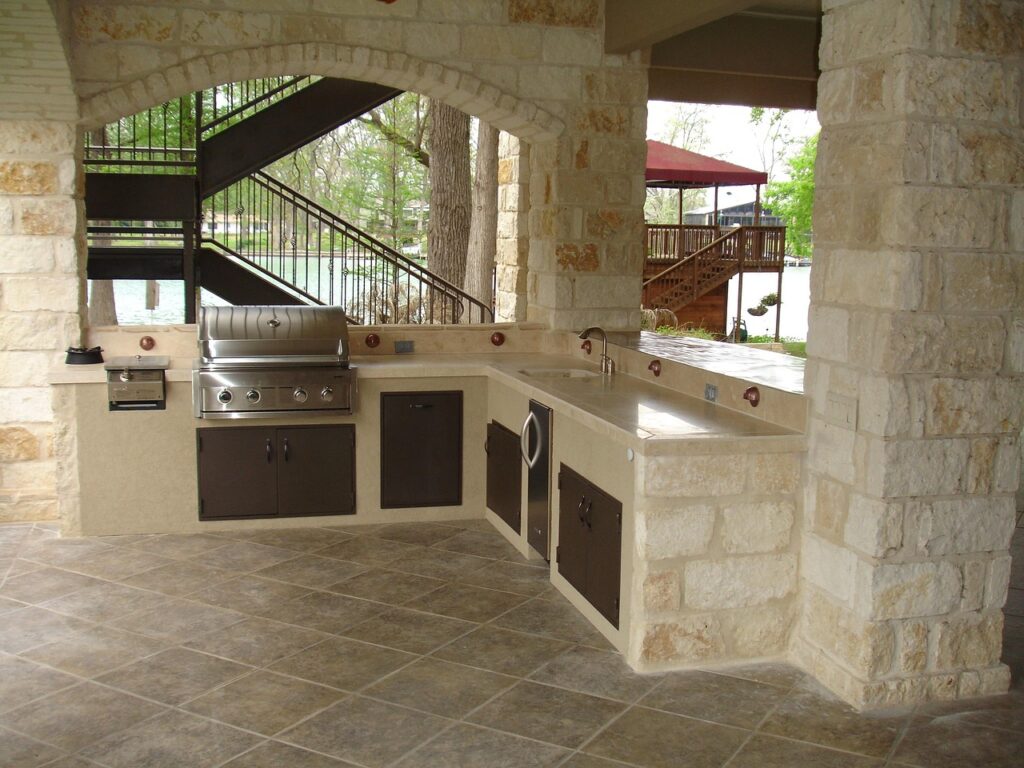
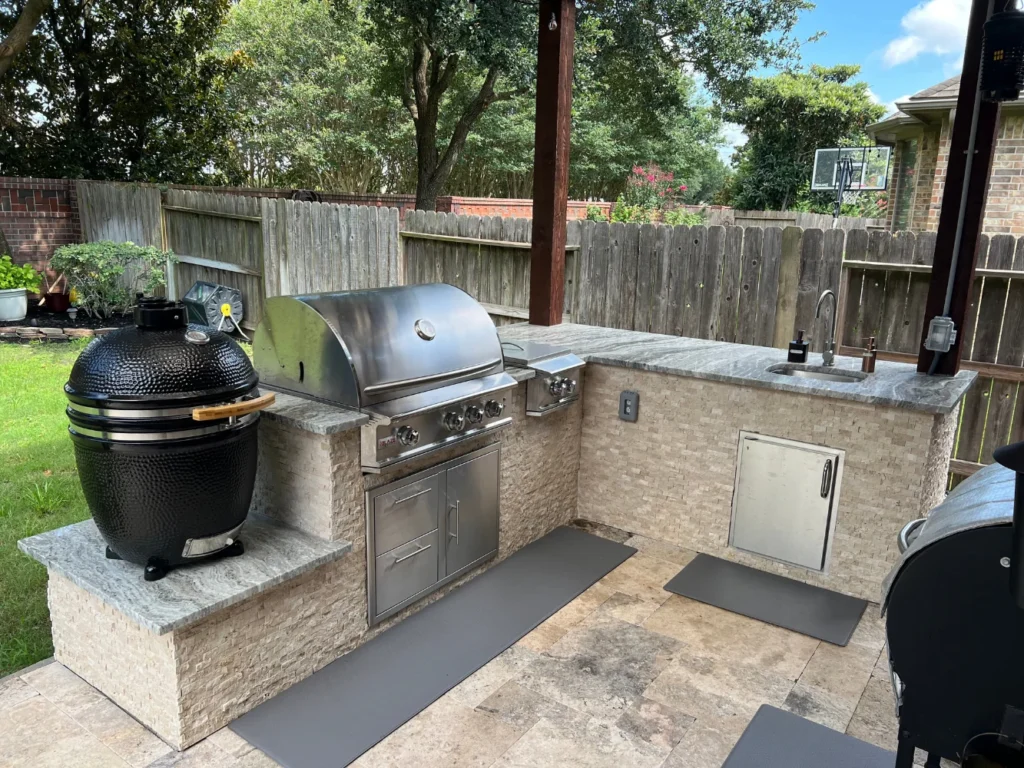
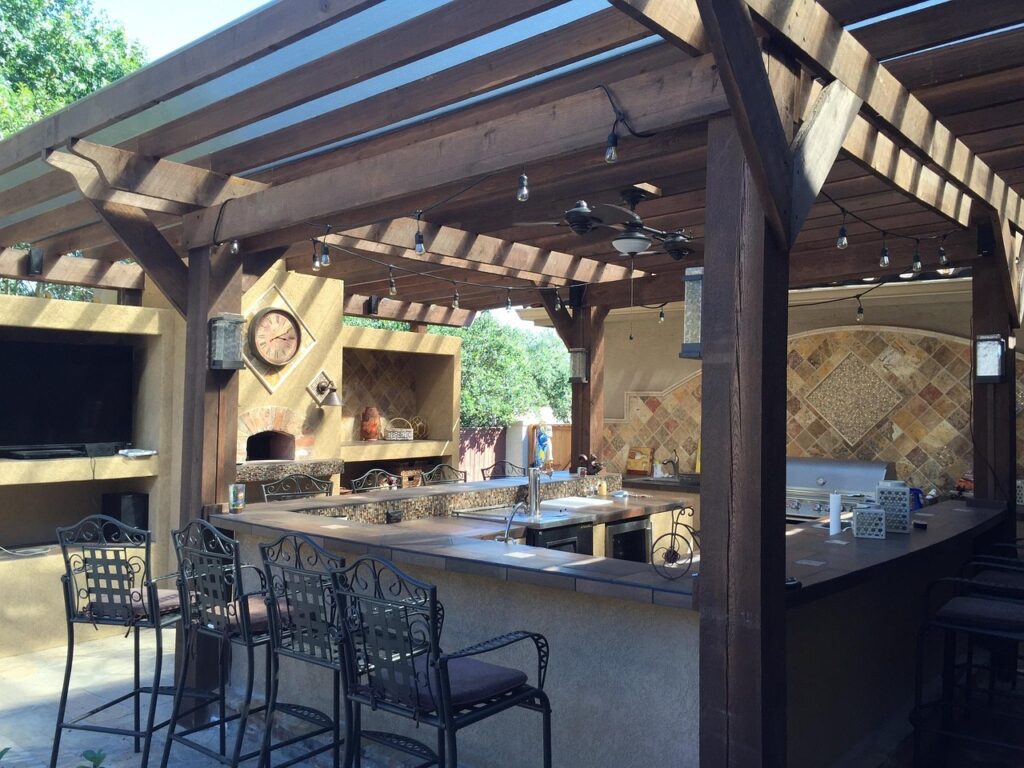
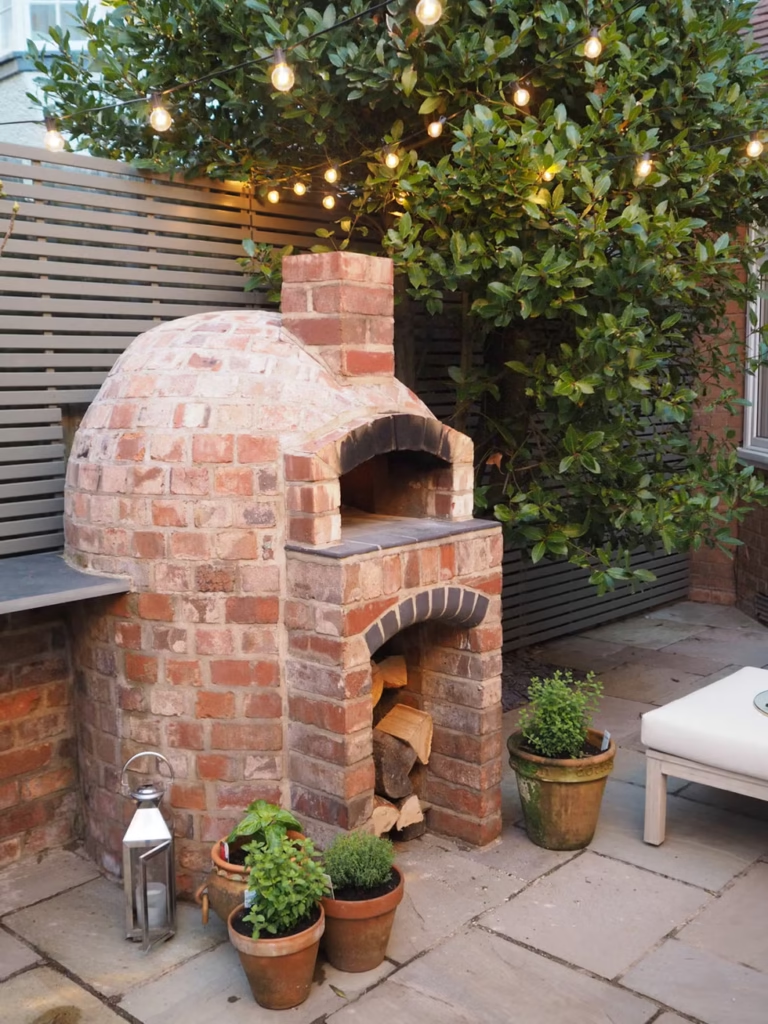
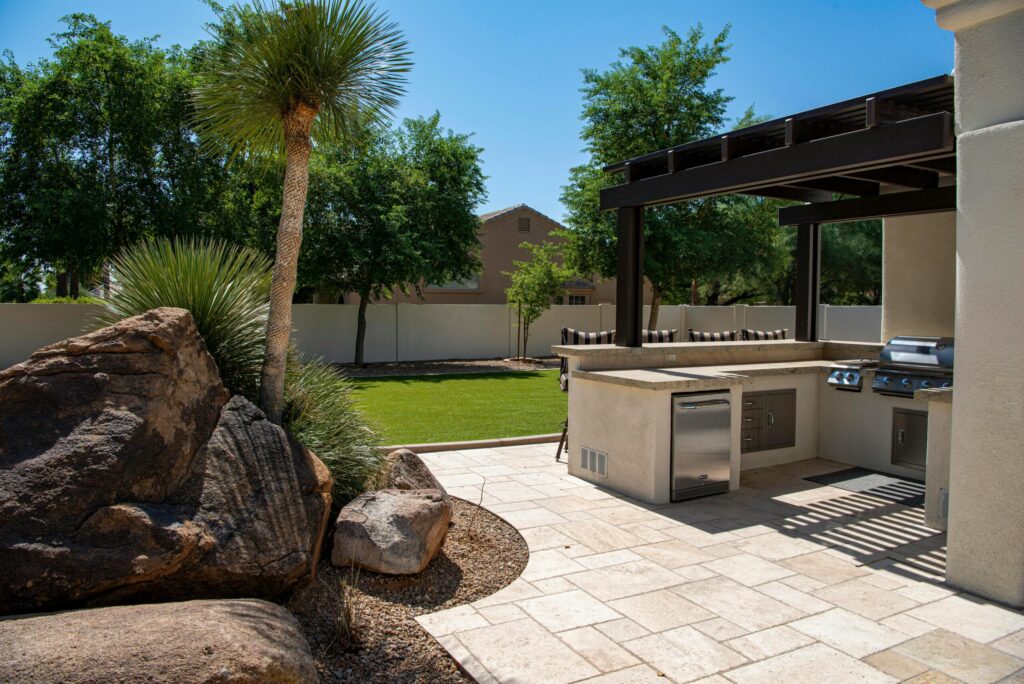
Built-In Grill & BBQ Island Installation
Custom masonry or prefabricated grill enclosures
Our Outdoor Kitchen Project Process
1. Initial Consultation & Goals
We discuss your cooking habits, entertainment needs, budget parameters, and desired features for your outdoor kitchen.
2. Site Evaluation
Contractors assess your yard including existing utilities, access for gas/electric/plumbing, optimal placement considering wind and sun, and structural requirements.
3. Design & Scope Definition
Contractors create detailed plans showing layout, appliance placement, utility routing, material specifications, and integration with existing outdoor spaces.
4. Contractor Matching
We connect you with licensed, insured contractors experienced in outdoor kitchen construction. You review multiple proposals comparing designs, materials, and pricing.
5. Permits & Construction
Your contractor prepares and submits permit applications for building, electrical, gas, and plumbing work. They obtain HOA approval if required.
6. Final Inspection & Walkthrough
All work undergoes required inspections. Your contractor demonstrates appliance operation, provides maintenance guidance, and ensures all systems function properly.
Outdoor Kitchens in North End Boise — What Homeowners Should Know
The North End’s Historic Character
The North End represents one of Boise’s most established and architecturally distinctive neighborhoods, with homes predominantly dating from the early 1900s through the 1940s, though some construction extends into the 1950s and selective newer builds or significant remodels have occurred since. Architectural styles include Craftsman bungalows, Tudor revivals, Colonial revivals, and various period cottages, creating a diverse but cohesive historic streetscape. Lot sizes are generally modest by suburban standards—typically 5,000 to 8,000 square feet—with narrow configurations common on many streets. This means outdoor kitchens need thoughtful, space-efficient design that maximizes functionality without overwhelming limited yard space or compromising the character that defines the neighborhood.
Historic District and Design Considerations
Significant portions of the North End fall within Boise’s historic districts or conservation overlay zones, which add layers of design review for exterior modifications visible from the street. While outdoor kitchens in backyards typically receive less scrutiny than front-facing changes, materials, heights, and overall character still matter for maintaining neighborhood aesthetics. Many North End homes feature mature landscaping—large trees, established gardens, historic stone walls, and original hardscaping—that influences outdoor kitchen placement and design. Preservation of these features while creating functional outdoor space requires careful planning and sometimes creative problem-solving.
City of Boise Permitting in the North End
Outdoor kitchen projects in the North End require permits through the City of Boise’s Building Department when adding permanent structures, installing gas lines, running electrical work, or adding plumbing. For properties within historic districts, additional review through the city’s Historic Preservation Commission may apply for visible structures or significant modifications, though backyard improvements typically proceed more simply than front-facing changes. Standard setback requirements, height restrictions, and lot coverage limits all apply. Contractors experienced in the North End understand these layered requirements and navigate the permitting process efficiently.
Working with Mature Properties and Infrastructure
North End homes often present unique infrastructure considerations. Many properties have aging utility systems—older electrical panels that may need upgrading before adding outdoor circuits, galvanized or outdated gas lines requiring replacement to safely extend service, and older water supply lines. Basements are common in North End homes, affecting how utilities route to outdoor locations. Mature trees create both opportunities and constraints—beautiful shade and established character, but also root systems that complicate excavation and branches that influence overhead structure design.
Alley access is common in the North End, which can actually facilitate material delivery and construction staging compared to front-only access. However, narrow lots mean working in close quarters with limited space for equipment and materials. Neighboring properties are close, requiring consideration for noise, access, and maintaining good relationships during construction.
Climate and Microclimate Factors
The North End shares Boise’s general high desert climate—hot, dry summers and cold winters—but mature tree canopy creates significant microclimates. Some properties enjoy considerable shade from established trees, reducing summer heat but also affecting growing conditions and sun exposure for outdoor cooking and dining areas. North-facing yards may receive limited direct sun, while south-facing properties get intense afternoon exposure. These variations influence outdoor kitchen orientation, appliance placement, and whether additional shade structures are necessary or redundant.
Material selection must handle temperature extremes. UV-resistant finishes, freeze-thaw durable countertops, weather-resistant cabinetry, and appliances rated for outdoor winter use all matter. Construction typically schedules between May and September when weather permits efficient work and minimizes impact on neighbors during the more pleasant months when windows are open and outdoor activity is high.
Foundation and Lot Constraints
North End soil conditions are generally consistent with Boise’s clay-heavy composition that expands and contracts with moisture. However, decades of landscaping, irrigation, and mature tree roots create variable subsurface conditions. Excavation must navigate existing root systems carefully to preserve tree health while creating stable foundations. Many properties have existing concrete patios or walkways from various eras that may be incorporated, modified, or replaced depending on condition and layout.
Narrow lots mean outdoor kitchens often work within tight footprints. Creative design becomes essential—maximizing vertical space with overhead storage, using space-efficient appliances, and creating layouts that feel functional rather than cramped. Contractors experienced in the North End excel at these spatial challenges and understand how to create quality outdoor kitchens within constrained envelopes.
North End Neighborhoods and Streets
Contractors serving the North End work throughout its various sections—the Hyde Park area with its commercial node and walkable character, streets east and west of Harrison Boulevard with tree-lined elegance, the areas around Camel’s Back Park and Hull’s Gulch, neighborhoods near Boise High School, and streets climbing toward the foothills. Each area has distinct characteristics, but all share the North End’s general character: established homes, mature landscaping, narrow lots, and strong community identity. Local contractors adapt outdoor kitchen designs to fit individual properties while respecting the neighborhood’s collective character.
Outdoor Kitchen Installation Costs in North End Boise
Typical Project Cost Ranges
| Project Scope | Estimated Range |
|---|---|
| Compact island with built-in grill and essential prep space | $8,000 – $15,000 |
| Mid-range kitchen with grill, sink, compact storage | $15,000 – $30,000 |
| Complete outdoor kitchen with appliances, seating, overhead structure | $30,000 – $55,000+ |
| Custom installations maximizing limited space | $55,000+ |
Ranges reflect typical North End projects and vary based on materials, appliances, space optimization, and infrastructure upgrades.
Key Factors That Influence Pricing
Appliance selection significantly impacts costs. Built-in grills range from quality mid-tier models around $1,500 to premium units exceeding $6,000. In the North End’s limited spaces, compact or space-efficient appliances often make more sense than full-size commercial-style units. Outdoor refrigerators, sinks with hot water, warming drawers, and side burners each add equipment and installation costs. Quality matters for longevity, particularly given the investment in making outdoor kitchens work within North End constraints.
Material choices affect both budget and aesthetic fit with historic character. North End homeowners often prioritize materials that complement their home’s period architecture—natural stone, traditional tile patterns, copper or bronze fixtures, or wood elements that reference Craftsman details. Countertop options range from tile and concrete ($50-75 per square foot installed) through granite and soapstone ($90-140 per square foot) to premium materials ($140+ per square foot). Cabinet and finish selections often balance weather resistance with design compatibility.
Infrastructure upgrades frequently add costs in the North End. Older electrical panels may need replacement or expansion before adding outdoor circuits. Aging gas lines may require updating to current code before extending service. Water supply lines may need replacement if original galvanized piping exists. These aren’t always anticipated costs but surface during permitting or initial work, and experienced contractors assess infrastructure during estimates.
North End-Specific Cost Considerations
City of Boise permit fees apply, and properties within historic districts may have additional review requirements. Access constraints common in the North End—narrow side yards, mature landscaping, close neighbors, limited staging space—can increase labor costs. Hand-carrying materials, using smaller equipment, or working in confined quarters adds time and complexity.
Working around mature trees requires care and sometimes specialized techniques to protect root systems during excavation. Tree preservation measures—root pruning by certified arborists, specialized excavation methods, or design modifications to avoid critical root zones—add costs but preserve irreplaceable landscape features. Some projects require coordination with the city’s Urban Forestry division for protected trees.
North End property values and homeowner expectations typically align with mid-to-higher quality materials and craftsmanship. Projects here less frequently focus on budget minimization and more on creating outdoor spaces that enhance valuable properties while fitting neighborhood character. This naturally positions investments toward quality over economy.
The North End’s desirability means contractor demand stays high. Experienced contractors who understand the area’s unique requirements and do quality work book well ahead, particularly during peak season.
Importance of Detailed, Comprehensive Estimates
Quality contractors provide thorough estimates detailing all components: appliances and equipment, materials by category, labor separated by phase (including infrastructure upgrades if needed), permits and potential historic review fees, tree protection measures, access considerations, and finishing work. This transparency helps you understand the full investment picture, particularly when older home infrastructure requires updating.
Itemized estimates clarify what’s included versus optional. In space-constrained North End projects, understanding costs helps prioritize features—perhaps investing in a premium compact grill and essential counter space while staging overhead structures or additional features for future phases. Clear breakdowns prevent surprises and help manage realistic expectations about what’s achievable within budget and available space.
What Makes Our Contractor Network Different
Deep Experience with Historic Properties
Contractors in our network regularly work on North End properties and understand the unique considerations of historic homes—aging infrastructure systems, mature tree preservation, working within tight footprints, and creating improvements that respect rather than conflict with period architecture. They know when infrastructure upgrades are necessary, how to navigate tree root systems safely, and how to design outdoor spaces that feel appropriate to the neighborhood’s character.
Understanding of Boise’s Historic Preservation Process
Experienced contractors know which North End properties fall under historic district review, what triggers additional permitting requirements, and how to present projects that satisfy both functional goals and preservation considerations. They work regularly with the City of Boise’s Building Department and understand submittal requirements, inspection protocols, and the additional review layers that may apply in historic areas.
Expertise in Space-Efficient Design
The North End’s typically modest lot sizes and narrow configurations require contractors who excel at space-efficient design. Contractors in our network have extensive experience creating functional outdoor kitchens within limited footprints through smart layouts, appropriately scaled appliances, vertical storage solutions, and design choices that maximize usability without overwhelming available space. This expertise is essential for successful North End projects.
Careful Approach to Mature Landscapes
Working in the North End means respecting mature trees, established gardens, and historic landscape features that give properties much of their value and character. Contractors in our network understand proper tree protection techniques, how to design around root systems without compromising tree health, and when to consult certified arborists for specialized guidance. They’ve successfully integrated outdoor kitchens into established landscapes countless times without sacrificing the features homeowners value most.
Problem-Solving for Access and Infrastructure Challenges
North End projects frequently present access constraints and aging infrastructure that require creative problem-solving. Contractors in our network have navigated narrow side yards, close neighbors, limited staging areas, and older home systems extensively. They know how to deliver materials efficiently, coordinate utility upgrades, and complete quality work despite spatial and logistical challenges that might overwhelm contractors unfamiliar with these conditions.
Established Local Trade Networks
Experienced North End contractors maintain relationships with licensed electricians, plumbers, and gas fitters who understand older home systems and Boise’s code requirements. They coordinate with certified arborists, structural engineers when needed, and suppliers who stock materials appropriate for historic properties. These networks ensure proper utility work, tree protection, and access to materials that fit North End aesthetics and quality expectations.
Long-Term Local Accountability
Working with contractors who regularly serve the North End means ongoing accessibility after project completion. Whether you need maintenance advice, want to make future additions, or have questions about care and winterization, local contractors remain available. Their reputation in this close-knit, established community depends on satisfied customers and quality work that enhances rather than detracts from neighborhood character, creating accountability that extends well beyond the final inspection.
Licensed & Insured Contractors Only
Every contractor in our network holds active Idaho licensing and maintains comprehensive insurance coverage for the work they perform. We verify credentials before making referrals, ensuring you work with legitimate professionals who meet state requirements. This vetting reduces your risk and provides confidence that you’re partnering with contractors who stand behind their work and carry proper protection for both parties.
Build Your Dream Outdoor Kitchen in North End Boise Today!
Let’s chat about your ideas! Getting started is easy – simply reach out with details about your Outdoor Kitchen project, and we’ll connect you with qualified, licensed contractors.
Need Help?
Frequently Asked Questions About Outdoor Kitchen in North End Boise
Below are some of the most common questions Our Network get from families about Outdoor Kitchen. If you have any other questions contact us!
How much does an outdoor kitchen cost?
The average Boise outdoor kitchen costs around $16,480 for a complete setup with grill, counters, refrigerator, sink, and storage. Budget-conscious homeowners can build outdoor kitchenettes for $3,200-$10,000. Mid-range outdoor kitchens run $10,000-$20,000. Premium outdoor kitchens with covers, multiple appliances, and custom features cost $20,000-$35,000+. Luxury resort-style outdoor kitchens exceed $40,000. Your final cost depends on size, appliances chosen, materials, whether you add covers or structures, and site complexity.
Can I use my outdoor kitchen year-round in Boise?
Most Boise outdoor kitchens operate March through November—excellent 8-9 month season! Winter use (December-February) is possible but requires planning. Covered outdoor kitchens with heating extend usability significantly. Many homeowners grill year-round but use sinks and water features seasonally. Winterization is critical—drain all water lines, blow out plumbing with compressed air, cover appliances, close gas shutoffs (optional), and protect countertops. Professional installations include proper drainage and frost-proof faucets making winterization straightforward. Die-hard outdoor cooks use their kitchens even with snow—grills work great in cold weather!
What's better: natural gas or propane for outdoor grills?
Both work excellently with different advantages. Natural gas offers unlimited fuel supply (never run out mid-cookout!), lower long-term costs (cheaper per BTU), and no tank refills or exchanges. However, it requires professional gas line installation ($500-$1,500) and only works if your home has natural gas service. Propane provides installation flexibility (no gas line needed), works anywhere, and delivers slightly higher BTU output. However, tanks require periodic refills/exchanges and may run out unexpectedly. Most Boise areas have natural gas—if available, it’s usually preferred for permanent outdoor kitchens. Propane works great for portable setups or homes without gas service.
How long does outdoor kitchen installation take?
Installation timelines vary by project scope. Simple grill islands take 2-3 weeks from design to completion. Standard outdoor kitchens with sink and refrigeration take 3-5 weeks. Complete outdoor kitchens with covers take 6-8 weeks. Elaborate resort-style kitchens may take 8-12 weeks. Timeline includes design/planning (1-2 weeks), permit approval (1-3 weeks), and construction/installation (1-4 weeks). Weather affects schedules—contractors won’t pour concrete in freezing temps. Most construction happens in spring/summer/fall. Winter projects possible but may have delays.
Talk to an Outdoor Kitchen Contractor in North End Boise
Whether you’re near Hyde Park, along Harrison Boulevard, in the foothills neighborhoods, or anywhere in Boise’s distinctive North End, creating an outdoor kitchen that fits your property’s character and your lot’s constraints starts with the right contractor. Our network includes professionals who understand the North End’s historic character, infrastructure challenges, and space limitations—and who deliver quality craftsmanship that respects what makes this neighborhood special.