
Professional Home Addition Contractors in Downtown Boise, ID
Looking for home addition contractors in Downtown Boise, ID? We work with licensed, insured professionals who deliver quality construction and handle every aspect of your addition from design through final inspection.
Popular Home Addition Services in Downtown Boise
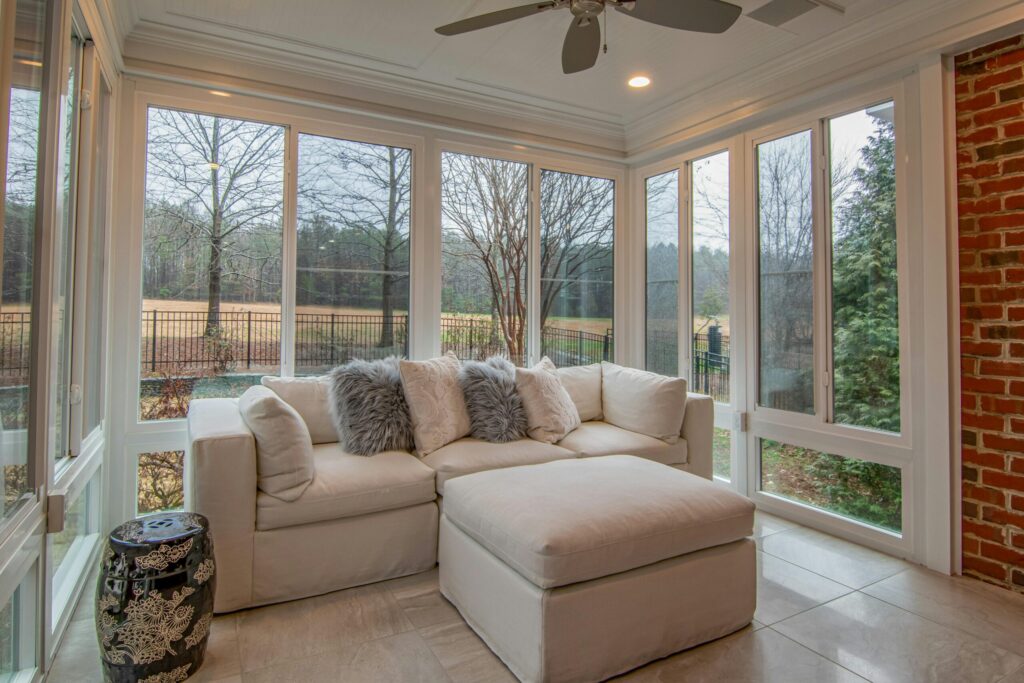
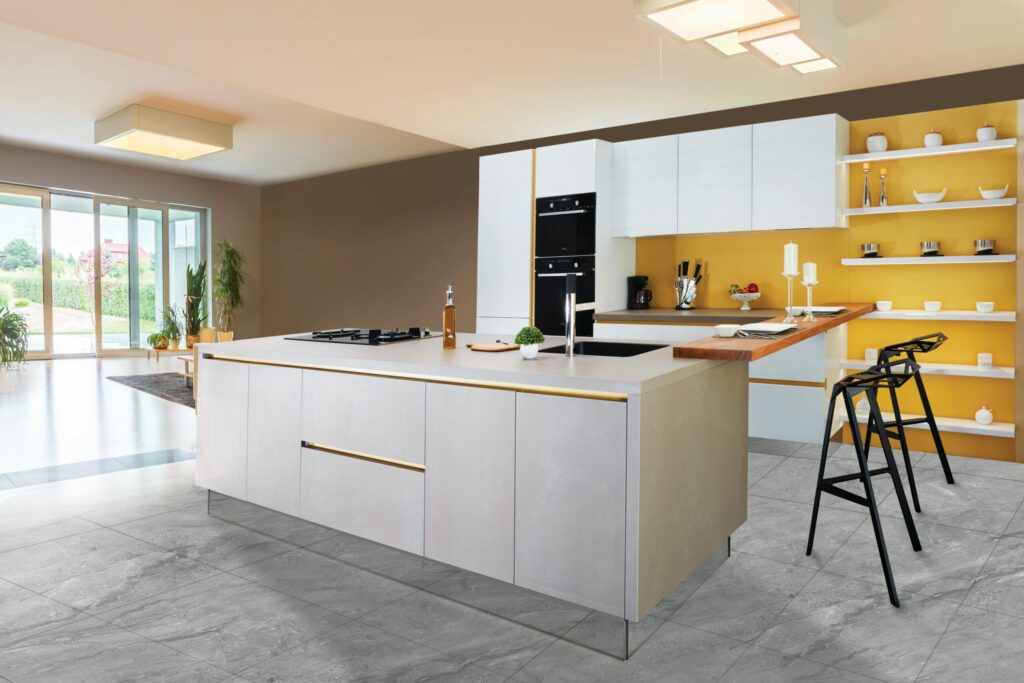
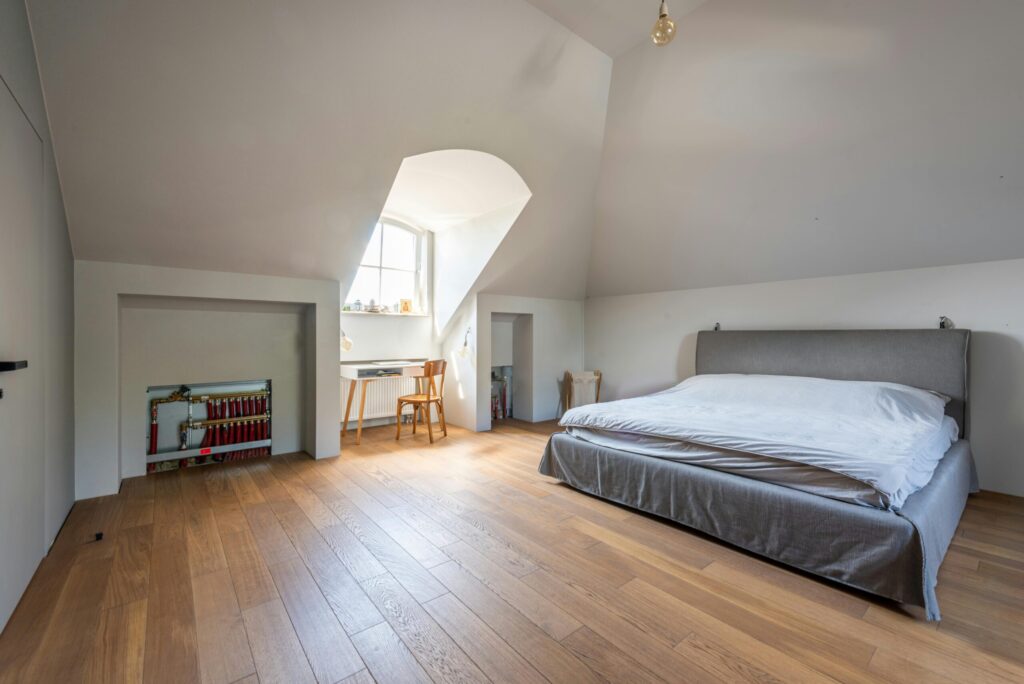
Our Home Addition Process
1. Initial Consultation & Planning
We discuss your needs, budget, property constraints, and vision for the addition. This conversation helps identify suitable contractors for your specific project.
2. Property and Feasibility Assessment
Contractors evaluate your property, existing structure, zoning constraints, and lot coverage. They identify any challenges and determine feasibility for your planned addition.
3. Design Development
Contractors or their design partners create detailed plans showing layout, elevations, structural details, and material specifications. Designs integrate with your existing home's architecture and meet building codes.
4. Contractor Matching
We connect you with licensed, insured contractors experienced in projects similar to yours. You receive multiple consultations to compare approaches, timelines, and pricing.
5. Permits and Approvals
Your contractor prepares permit applications, submits plans to the building department, and obtains all required approvals before construction begins.
6. Construction
Work proceeds according to the approved schedule. Contractors coordinate trades, schedule inspections, and maintain communication throughout the build process.
7. Final Inspection & Walkthrough
All work is inspected for code compliance, followed by a final walkthrough to ensure everything meets expectations before project completion.
Home Additions in Downtown Boise — What Homeowners Should Know
Downtown’s Historic Neighborhoods and Architectural Heritage
Downtown Boise encompasses several of the city’s most architecturally significant neighborhoods, many protected as local and national historic districts. The North End Historic District features tree-lined streets filled with Queen Anne cottages, Craftsman bungalows, Tudor Revival, and Colonial Revival homes built primarily between the 1890s and 1940s. Harrison Boulevard, with its grand homes and median parkway, was listed on the National Register of Historic Places in 1980. The East End Historic District showcases Foursquare homes, Craftsman bungalows, and Stick-style houses built by working families, along with California-style architecture from the 1950s and 1960s. The Hays Street Historic District serves as a transitional area between downtown’s commercial core and the North End’s residential neighborhoods, featuring meticulously maintained homes in Colonial Revival, Craftsman, and Queen Anne styles—more than half built before 1912. Old Boise contains the city’s largest collection of historic commercial buildings dating back to the 1863 gold rush era. If you’re planning an addition in any of these areas, your project will need to respect this rich architectural legacy.
Historic Preservation Commission Review
Most home additions in Downtown Boise’s historic districts require approval through a Certificate of Appropriateness from the Historic Preservation Commission before you can obtain building permits. The level of review depends on whether your home is classified as contributing or non-contributing to the historic district and the scope of your work. Contributing homes—those present during the district’s period of significance that retain historic integrity—face stricter requirements than non-contributing properties. Minor additions may qualify for administrative (staff-level) review with a 15-day timeline, while major additions require a public hearing before the Historic Preservation Commission. The Commission meets on the last Monday of each month at 6:00 PM in City Hall’s Maryanne Jordan Council Chambers. They evaluate additions based on the city’s Design Guidelines for Residential Historic Districts, which emphasize maintaining neighborhood character, using appropriate materials, and ensuring new construction is congruent with existing architecture while remaining distinguishable from historic fabric.
City of Boise Building Permit Process
After securing Historic Preservation Commission approval, your addition proceeds to standard City of Boise permitting through Planning and Development Services. The Building Division can be reached at (208) 608-7070 Monday through Friday from 8:00 AM to 4:30 PM, or via email at permits@cityofboise.org. The city has adopted the 2015 International Building Code and 2012 International Residential Code with Idaho-specific amendments. Your contractor will submit complete plan sets including foundation details, structural information, energy compliance documentation, and mechanical/electrical/plumbing layouts. Plan review timelines vary based on project complexity, and the city conducts inspections throughout construction to ensure code compliance.
Lot Coverage and Zoning Considerations
Historic districts have specific lot coverage requirements designed to preserve neighborhood character. Maximum lot coverage is typically limited to maintain the proportion of building to open space that defined these neighborhoods historically. Properties in the North End and East End often sit on smaller lots compared to newer suburban areas, which can constrain addition options. Setback requirements, building height limits, and the city’s emphasis on preserving mature trees and landscaping all influence where and how additions can be designed. Some neighborhoods feature alley access for garages, which affects rear-yard addition planning. Experienced contractors familiar with downtown historic districts understand these constraints and can help design additions that maximize space while meeting all requirements.
Design Guidelines and Material Requirements
The Historic Preservation Guidelines establish clear expectations for additions. New construction should be compatible with but distinguishable from historic structures—additions should complement the original architecture without attempting to replicate historic styles exactly. Materials matter significantly: vinyl windows are prohibited in all Boise historic districts, and exterior materials should match or complement the existing home. Additions should respect the scale and proportions of neighboring homes, maintain similar roof pitches and forms, and preserve character-defining features like front porches. The guidelines encourage placing additions at the rear or on less-visible elevations to minimize visual impact from the street. Design principles emphasize pedestrian-scale development, cohesive neighborhood identity, and respect for the unique settings of each historic district.
Climate Considerations and Energy Efficiency
Downtown Boise experiences the full Treasure Valley climate—hot, dry summers with temperatures in the low 90s and cold winters with snow and temperatures in the 20s. Your addition must meet Idaho’s energy code requirements while respecting historic preservation standards. This creates a balance between modern performance expectations and traditional appearance. The city encourages energy-efficient solutions that don’t compromise historic integrity—for example, adding insulation in concealed areas, using historically appropriate but energy-efficient window designs, and incorporating passive solar strategies. Contractors experienced in historic additions understand how to achieve code-compliant energy performance while maintaining the architectural character that makes these homes special.
Home Addition Costs in Downtown Boise
Typical Project Cost Ranges
Home addition costs in Downtown Boise’s historic neighborhoods reflect both standard Treasure Valley construction pricing and the premium associated with historic district requirements, smaller urban lots, and the need to match quality finishes found in older homes. Below are general ranges:
| Addition Type | Square Footage | Typical Cost Range |
|---|---|---|
| Bump-out or small expansion | 50-150 sq ft | $12,000 – $45,000 |
| Single-room addition | 150-300 sq ft | $35,000 – $95,000 |
| Large single-story addition | 300-600 sq ft | $80,000 – $180,000 |
| Multi-room addition | 600-1,000 sq ft | $160,000 – $300,000 |
| Second-story addition | 800-1,200 sq ft | $200,000 – $450,000+ |
These ranges include materials and labor but may not include Certificate of Appropriateness processing, architectural design fees, foundation challenges on older properties, or premium materials required to match historic finishes.
Key Factors That Influence Pricing
Several variables significantly impact addition costs in downtown historic neighborhoods. Matching existing materials creates immediate cost implications—if your 1920s Craftsman has original wood siding, vintage brick, or custom millwork, replicating these elements costs more than using standard modern materials. Foundation work on older homes can be complex; existing foundations may be rubble stone, brick, or early concrete that requires careful evaluation and specialized techniques when tying in new construction. Integration with existing systems presents challenges too—older homes may have outdated electrical panels requiring upgrades, plumbing configurations that need rerouting, or HVAC systems that need complete replacement to serve the addition adequately. Interior finish quality matters considerably; many historic homes feature hardwood floors, plaster walls, period-appropriate trim, and quality details that your addition should match to maintain value and aesthetic cohesion.
Historic District-Specific Cost Considerations
Building in Downtown Boise’s historic districts adds unique cost factors. Certificate of Appropriateness applications require detailed documentation and may involve hiring architects or designers experienced with the Historic Preservation Commission’s expectations—professional design fees for historic additions typically run higher than standard residential design work. The prohibition on vinyl windows means you’ll use wood, aluminum-clad wood, or other approved materials that cost significantly more. Historic preservation guidelines may require retaining or relocating existing features, careful dismantling rather than demolition, or special techniques to protect adjacent historic fabric during construction. If your property contains mature trees—common in neighborhoods like the North End—you may need to design around them or pay for professional arborist services to ensure their protection during construction.
Urban Lot Logistics and Access
Downtown locations present logistical challenges that can affect costs. Smaller urban lots with limited setbacks mean tighter working conditions for crews and equipment. Narrow streets in neighborhoods like Hays Street or parts of the East End can complicate material deliveries and equipment access—you may need smaller equipment, hand-carrying materials, or special arrangements with the city for temporary parking or street access. Working in densely populated neighborhoods requires additional consideration for noise restrictions, protecting neighboring properties, and maintaining good relationships with nearby residents. These factors don’t necessarily prevent construction, but experienced contractors factor them into estimates and schedules.
Property Value and Investment Considerations
Downtown Boise’s historic neighborhoods remain highly desirable, with median prices in areas like the North End consistently above citywide averages. As of late 2025, downtown Boise homes average around $520,000, reflecting strong demand for these walkable, character-rich neighborhoods. A well-designed addition that respects historic character while adding functional space can significantly enhance your property value. However, poorly conceived additions that violate historic integrity or fail to match the home’s quality can actually diminish value and neighborhood appeal. This makes working with experienced contractors who understand both historic preservation principles and quality construction essential to protecting your investment.
Transparent, Itemized Estimates
Given the complexity of building in historic districts, detailed estimates are crucial. Quality contractors provide comprehensive breakdowns including Certificate of Appropriateness processing fees, architectural or design services (often $3,000-$10,000+ depending on complexity), City of Boise permit fees, materials separated by category with specific notation for required historic-appropriate products, foundation work itemized separately given potential unknowns with older homes, labor costs for each construction phase, and contingencies for unexpected conditions common in older structures. Understanding these details helps you budget appropriately and make informed decisions about scope and materials.
What Makes Our Contractor Network Different
Deep Understanding of Historic Preservation Standards
The contractors in our network have successfully completed additions in Boise’s historic districts and thoroughly understand the Certificate of Appropriateness process. They know what the Historic Preservation Commission looks for in applications, which materials meet the guidelines, and how to design additions that complement rather than compromise historic character. They can interpret the Design Guidelines for Residential Historic Districts and translate those principles into practical construction solutions. Their experience means fewer revision requests, smoother Commission hearings, and faster approval timelines. They understand the difference between contributing and non-contributing properties and how that affects review requirements.
Experience Matching Historic Architecture
Successfully adding to a 1920s Craftsman bungalow requires different skills than building a modern suburban addition. Our network contractors understand architectural styles prevalent in Downtown Boise’s historic neighborhoods—they know appropriate roof pitches for Craftsman homes, proper proportions for Colonial Revival additions, and authentic details for Queen Anne cottages. They have sources for period-appropriate materials, relationships with millwork suppliers who can replicate historic trim profiles, and techniques for matching existing brick, stone, or siding. They understand four-sided architecture principles and design additions that look intentional from all angles, not just the street-facing elevation.
Working with Older Homes and Their Challenges
Older homes present unique challenges beyond new construction. Our network contractors have experience opening walls in plaster-and-lath homes, working with balloon-framed structures, tying into rubble stone or brick foundations, upgrading knob-and-tube electrical, replacing galvanized plumbing, and addressing issues like settling, previous modifications, or deferred maintenance discovered during construction. They approach these projects with appropriate contingency planning and problem-solving skills. They understand that work on a 100-year-old home requires flexibility, patience, and expertise that doesn’t exist in typical new construction environments.
Urban Construction Logistics
Working in dense downtown neighborhoods requires different approaches than suburban or rural construction. Our network contractors understand how to manage projects on compact lots with limited staging areas, coordinate deliveries on narrow streets, communicate proactively with neighbors about noise and disruption, protect adjacent properties during construction, and maintain clean, organized job sites that respect the neighborhood. They know how to work efficiently in tight spaces and have the specialized equipment necessary for challenging access situations.
Respect for Neighborhood Character and Community
Contractors familiar with Downtown Boise’s historic neighborhoods appreciate what makes these communities special. They understand that residents chose these neighborhoods specifically for their historic character, walkability, and sense of place. They approach additions with appropriate respect for this context, working to enhance rather than diminish neighborhood quality. Their ongoing presence in the Boise construction community means they’re accountable to both homeowners and the broader neighborhood. Poor work or insensitive additions damage their reputation in a tight-knit professional community where word travels quickly.
Licensed & Insured Contractors Only
Every contractor in our network maintains active Idaho contractor registration and carries appropriate general liability and workers’ compensation insurance. We verify these credentials before making referrals. Given the complexity of historic additions, the potential for unexpected conditions in older homes, and the investment involved, working with properly licensed and insured professionals is essential. This protects you from liability and ensures contractors meet Idaho’s professional standards for construction work.
Let's Start Your Home Addition in Downtown Boise
Let’s chat about your ideas! Getting started is easy – simply reach out with details about your home addition project, and we’ll connect you with qualified, licensed contractors.
REAL STORIES FROM SATISFIED CUSTOMERS
Need Help?
Frequently Asked Questions About Home Addition in Downtown Boise
Below are some of the most common questions Our Network get from families about Home Addition. If you have any other questions contact us!
Do I need a permit for a home addition?
Yes, all home additions require building permits through Meridian Building Services via their online Citizen Access Portal. Additions need architectural and structural plans, engineering stamps, and separate electrical, plumbing, and mechanical permits. Contact Planning at (208) 884-5533 to verify setback compliance.
How long does a home addition project take?
Design and engineering take 4-8 weeks, HOA approval adds 3-6 weeks, permit processing adds 3-5 weeks, and construction takes 3-5 months for single-story additions. Total timeline typically runs 5-8 months. Second-story additions may require 6-10 months due to complexity.
Can I add a second story to my home?
Yes, if existing structure can support additional load and zoning allows the height increase. Requires structural engineering analysis, HOA approval if applicable, and building permits. Height limits vary by zoning district. Contractors can assess feasibility during initial consultations.
What should I budget for a home addition?
Small additions (200-300 sq ft) start around $40,000-$80,000, mid-size additions run $80,000-$150,000, large additions range $150,000-$250,000, and second-story additions exceed $180,000. Costs vary based on foundation type, finish level, and utility upgrades needed.
Talk to a Home Addition Contractor in Downtown Boise Today
Whether your home is in the North End near Hyde Park, along Harrison Boulevard, in the East End near the foothills, on Hays Street between downtown and residential areas, in the Warm Springs Avenue district, or anywhere else in Downtown Boise’s historic neighborhoods, finding the right contractor for your addition means working with professionals who understand and respect the architectural heritage that makes these areas special. We’ve built our network specifically to connect downtown homeowners with experienced local contractors who navigate historic preservation requirements, understand period architecture, and deliver the quality work expected in these cherished neighborhoods.