
Professional Home Addition Contractors in Boise Bench, ID
Looking for home addition contractors in Boise Bench, ID? We work with licensed, insured professionals who deliver quality construction and handle every aspect of your addition from design through final inspection.
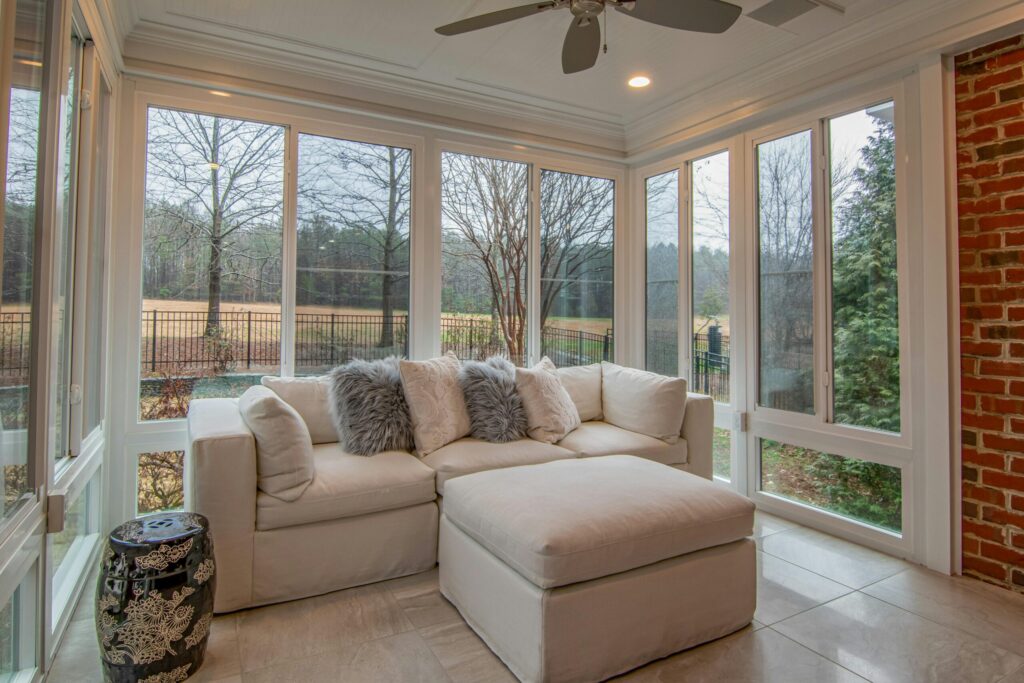
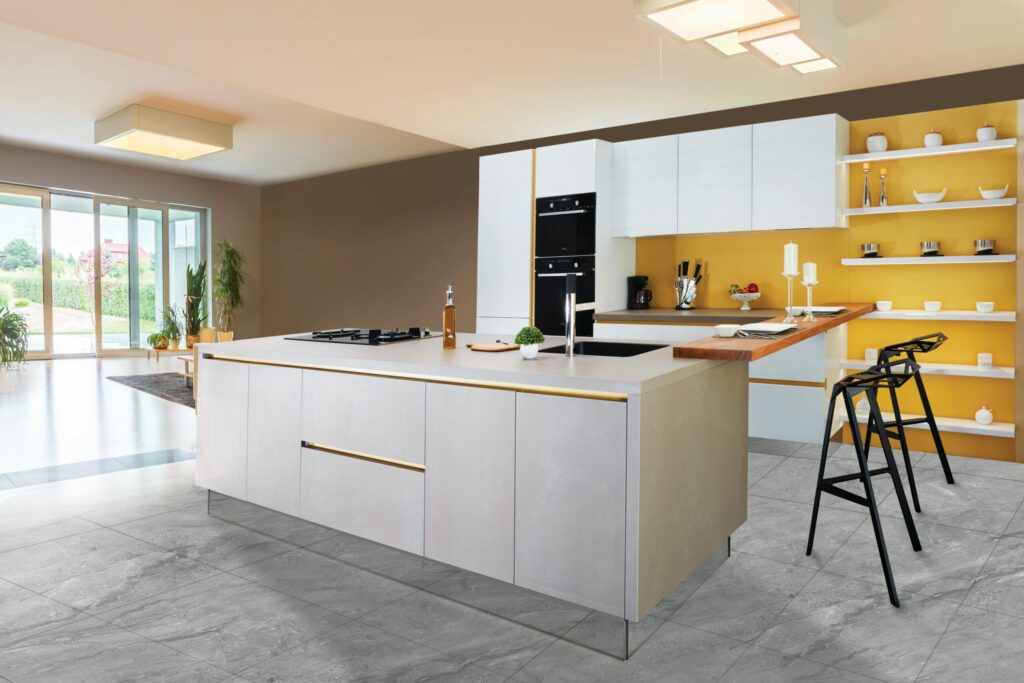
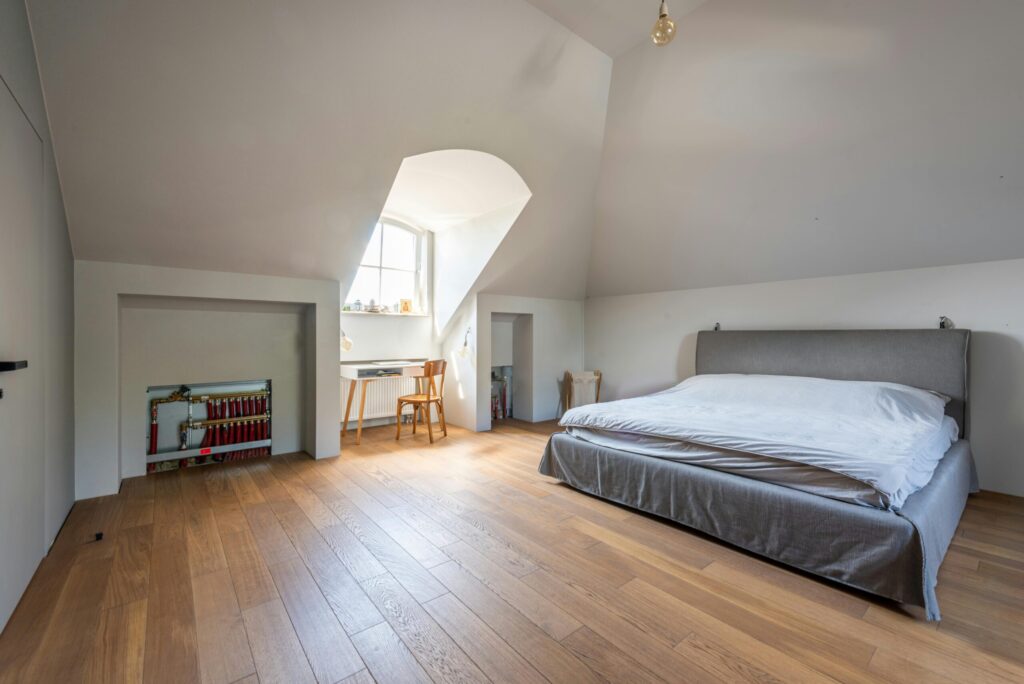
Popular Home Addition Services in Boise Bench
Our Home Addition Process
1. Initial Consultation & Planning
We discuss your needs, budget, property constraints, and vision for the addition. This conversation helps identify suitable contractors for your specific project.
2. Property and Feasibility Assessment
Contractors evaluate your property, existing structure, zoning constraints, and lot coverage. They identify any challenges and determine feasibility for your planned addition.
3. Design Development
Contractors or their design partners create detailed plans showing layout, elevations, structural details, and material specifications. Designs integrate with your existing home's architecture and meet building codes.
4. Contractor Matching
We connect you with licensed, insured contractors experienced in projects similar to yours. You receive multiple consultations to compare approaches, timelines, and pricing.
5. Permits and Approvals
Your contractor prepares permit applications, submits plans to the building department, and obtains all required approvals before construction begins.
6. Construction
Work proceeds according to the approved schedule. Contractors coordinate trades, schedule inspections, and maintain communication throughout the build process.
7. Final Inspection & Walkthrough
All work is inspected for code compliance, followed by a final walkthrough to ensure everything meets expectations before project completion.
Home Additions in Boise Bench — What Homeowners Should Know
Diverse Home Styles and Construction Eras
The Boise Bench showcases remarkable architectural variety reflecting over 100 years of development. Homes built from the 1930s through the 1960s represent the bulk of the housing stock, with architectural styles ranging from Craftsman bungalows and storybook cottages to Spanish Colonial Revival, Tudor, and mid-century modern ranches. The post-WWII building boom brought military housing and veterans’ homes, while the 1950s introduced atomic ranch and mid-century designs particularly concentrated in neighborhoods like Randolph-Robertson and areas around Hillcrest. This mix means your addition may need to complement anything from a 1940s brick Tudor to a 1960s ranch-style home. Contractors familiar with the Bench understand how to match materials, rooflines, and architectural details across this wide spectrum of styles while addressing the construction methods and materials used in each era.
Lot Configurations and Zoning
Original platting on the Bench created generously sized lots compared to downtown neighborhoods, with many properties featuring large front and back yards. This spaciousness often provides more flexibility for additions, though standard setback requirements still apply. The Bench sits approximately 60 feet higher than downtown Boise on what’s geologically known as the First Bench—a terrace created by ancient river erosion. This elevated terrain means some properties have sloping lots or sit on the rim areas like Crescent Rim Drive and parts of Hillcrest, where views are prized but building on slopes requires additional foundation considerations. Alley access is common in many Bench neighborhoods, which can influence construction staging and where additions are most feasible. Local contractors understand these lot characteristics and can help you maximize your space while respecting neighborhood patterns.
City Permitting Requirements
Home additions in Boise require building permits through the city’s Planning & Development Services department, including review for zoning compliance, structural plans, and a series of inspections throughout construction. The approval process timeline depends on project complexity—simple ground-level additions may receive faster approval, while second-story additions or projects requiring structural modifications undergo more detailed review. The Bench falls within Boise city limits with standard residential zoning for most areas, though specific neighborhoods may have additional considerations. Experienced contractors can navigate the permit process efficiently, prepare required documentation, and coordinate the inspection sequence to keep your project on schedule.
Climate and Weather Impacts
Boise’s high desert climate with cold winters and hot, dry summers directly affects addition planning and construction. The area experiences significant temperature swings between seasons, with winter lows around 24 degrees and summer highs reaching into the 90s. Annual precipitation is relatively low at under 12 inches, but winter snowfall occurs regularly and must be considered in roof design and structural loads. The 24-inch frost depth requirement influences foundation work, and contractors must account for thermal expansion and contraction in materials due to temperature extremes. Summer construction can face occasional wildfire smoke from regional fires, while winter projects contend with frozen ground and snow. Most contractors schedule major structural work from spring through fall when conditions are most favorable, though interior work can continue year-round once the structure is enclosed.
Foundation and Soil Characteristics
The Bench sits on volcanic soil and ancient river terrace deposits, generally providing stable building conditions. However, homes built from the 1930s through 1960s may have original foundations that require evaluation before adding structural loads. Some older properties have stone, brick, or early concrete foundations that have settled over decades and need assessment for adequacy. The elevated nature of the Bench means some properties on sloped lots or rim areas require special foundation design to handle grade changes and ensure proper drainage away from structures. Understanding your existing foundation’s condition, how it’s performing, and how to properly integrate new foundation work with old is critical. Contractors experienced with Bench homes can evaluate these conditions and recommend foundation systems appropriate for your specific property and addition plans.
Neighborhood Identity and Community Character
The Bench is actually a collection of distinct neighborhoods including Depot Bench, Central Bench, Borah, Hillcrest, Franklin, Whitney, Rose Hill, Morris Hill, and Vista. Each has its own character, from the historic views and million-dollar estates on Crescent Rim Drive to the mid-century modern concentration in Randolph-Robertson, to the family-oriented streets throughout Franklin and Whitney areas. Tree-lined streets, established landscaping, and the elevated position providing city and mountain views create a sense of place residents value. Thoughtful additions respect this character by considering how projects appear from the street, how they relate to neighboring homes, and how they maintain the open, spacious feel that distinguishes Bench neighborhoods from denser urban areas. Contractors who regularly work on the Bench understand these community expectations and can help design additions that enhance your home while fitting neighborhood context.
Home Addition Costs in Boise Bench
Typical Project Cost Ranges
Understanding realistic budget expectations helps you plan your addition with confidence. Costs in the Boise Bench area reflect current market conditions and the specific characteristics of working with established homes.
| Addition Type | Size Range | Estimated Cost Range |
|---|---|---|
| Bedroom addition | 200-300 sq ft | $25,000 – $74,700 |
| Bathroom addition | 100-150 sq ft | $12,500 – $37,350 |
| Kitchen expansion | 150-250 sq ft | $18,750 – $62,250 |
| Two-story addition | 400-600 sq ft | $50,000 – $149,400 |
| Master suite addition | 300-500 sq ft | $37,500 – $124,500 |
| Family room expansion | 250-400 sq ft | $31,250 – $99,600 |
Cost estimates based on $125 to $249 per square foot for home additions in Boise, with lower end representing standard-grade construction and higher end representing premium finishes. Actual costs vary based on specific project requirements.
Key Factors That Influence Pricing
Several variables beyond square footage affect your final project cost. Foundation type and complexity significantly impact pricing—building over existing basements, crawl spaces, or slabs each present different challenges and costs, and sloped lots may require specialized foundation solutions. Second-story additions typically cost more per square foot than ground-level expansion due to structural reinforcement requirements, roof modifications, and construction access complexity. Material and finish selections create substantial cost differences, from builder-grade options to custom architectural details that match your home’s existing character. Mechanical system extensions including HVAC capacity, plumbing runs, and electrical service upgrades add costs based on distance from existing systems and whether upgrades to main service panels or equipment are needed.
Bench-Specific Cost Considerations
Working on Bench properties sometimes involves costs beyond newer neighborhoods. Matching architectural styles from the 1930s through 1960s may require sourcing period-appropriate materials or custom fabrication of details like window types, trim profiles, or exterior cladding that’s no longer commonly available. Older homes occasionally reveal hidden conditions once construction begins—outdated wiring, plumbing that needs replacement, or structural modifications from previous remodels that require correction to meet current codes. Properties on sloped lots or rim locations may need additional foundation engineering, retaining walls, or drainage solutions. The Bench’s mature tree canopy and established landscaping require careful protection during construction, with potential costs for tree preservation measures or landscape restoration. Material delivery and construction staging may require special arrangements where street parking is limited or alleys provide primary access.
Transparent, Itemized Estimates
Quality contractors provide comprehensive written estimates that break down costs into clear categories—site preparation, foundation, framing, roofing, windows and doors, mechanical systems, finishes, and permitting fees. This detailed approach allows you to understand exactly where your investment goes and makes informed decisions about where to prioritize spending. Itemized estimates also enable fair comparison between contractor proposals by evaluating costs category by category rather than comparing single lump-sum figures. Be cautious of vague verbal quotes or proposals lacking detail, as these often lead to misunderstandings and change orders. The contractors in our network commit to transparent pricing that respects your budget and eliminates surprise costs during construction.
What Makes Our Contractor Network Different
Expertise with Boise Building Requirements
The contractors in our network have established working relationships with Boise’s Planning & Development Services department and understand current building codes, permit requirements, and realistic approval timelines. They know which projects qualify for streamlined review versus those requiring detailed plan examination, how to properly prepare permit applications that avoid delays, and how to schedule inspections efficiently to maintain project momentum. This familiarity means fewer surprises during the approval process and smoother coordination with city officials throughout your project.
Understanding Bench Home Characteristics
Working on homes built from the 1930s through 1960s requires specific knowledge that general contractors may not possess. Our network includes professionals who regularly renovate and expand Craftsman bungalows, Spanish Colonial homes, Tudor revivals, and mid-century modern ranches. They understand the construction techniques and materials used in each era, know how to properly evaluate older foundations and framing systems, and can seamlessly integrate new construction with original architectural elements. This expertise ensures your addition looks purposeful rather than tacked on, maintains your home’s character, and addresses any age-related issues discovered during construction.
Climate-Appropriate Construction Methods
Boise’s high desert environment with significant temperature extremes demands construction practices suited to these conditions. Contractors in our network specify insulation systems that efficiently handle both heating and cooling loads, select materials that perform well under intense summer sun and winter freezing cycles, and design roof assemblies that manage snow loads while providing proper ventilation. They understand the 24-inch frost depth requirement for foundations, recognize how to detail exterior connections to prevent thermal bridging that increases utility costs, and know drainage considerations for properties on the Bench’s elevated terrain.
Local Supplier and Trade Relationships
Long-standing relationships with Treasure Valley lumber yards, building supply companies, and specialty manufacturers provide tangible benefits for your project. Contractors can source materials efficiently and often secure competitive pricing that helps your budget. When specialty items are needed—matching vintage architectural details, sourcing period-appropriate fixtures, or locating specific materials to complement your home’s era—established suppliers know what’s available locally or can recommend fabrication sources. These relationships also ensure reliable delivery schedules and quick access to materials if field conditions require adjustments during construction.
Local Presence and Long-Term Accountability
The contractors we connect you with are established in the Boise area with reputations built on quality workmanship and customer satisfaction. They stand behind their work because they live and operate in this community. If questions arise after your addition is complete, or if minor adjustments are needed during the warranty period, your contractor remains accessible and responsive. This local accountability provides peace of mind that matters far more than working with a distant contractor who may be difficult to reach once they’ve moved on. You’re establishing a relationship with a professional invested in maintaining their reputation in the Treasure Valley.
Licensed & Insured Contractors Only
Every contractor in the Boise Remodeling Experts network maintains active Idaho contractor licensing and carries comprehensive insurance coverage including general liability and workers’ compensation. We verify these credentials before making any referrals, ensuring the professionals working on your home meet state requirements and protect you from liability exposure. This verification process eliminates the risk of hiring unqualified or uninsured contractors, reduces your exposure if accidents occur during construction, and confirms you’re working with legitimate businesses committed to professional standards and legal compliance.
Let's Start Your Home Addition in Boise Bench
Let’s chat about your ideas! Getting started is easy – simply reach out with details about your home addition project, and we’ll connect you with qualified, licensed contractors.
REAL STORIES FROM SATISFIED CUSTOMERS


Need Help?
Frequently Asked Questions About Home Addition in Boise Bench
Below are some of the most common questions Our Network get from families about Home Addition. If you have any other questions contact us!
Do I need a permit for a home addition?
Yes, all home additions require building permits through Meridian Building Services via their online Citizen Access Portal. Additions need architectural and structural plans, engineering stamps, and separate electrical, plumbing, and mechanical permits. Contact Planning at (208) 884-5533 to verify setback compliance.
How long does a home addition project take?
Design and engineering take 4-8 weeks, HOA approval adds 3-6 weeks, permit processing adds 3-5 weeks, and construction takes 3-5 months for single-story additions. Total timeline typically runs 5-8 months. Second-story additions may require 6-10 months due to complexity.
Can I add a second story to my home?
Yes, if existing structure can support additional load and zoning allows the height increase. Requires structural engineering analysis, HOA approval if applicable, and building permits. Height limits vary by zoning district. Contractors can assess feasibility during initial consultations.
What should I budget for a home addition?
Small additions (200-300 sq ft) start around $40,000-$80,000, mid-size additions run $80,000-$150,000, large additions range $150,000-$250,000, and second-story additions exceed $180,000. Costs vary based on foundation type, finish level, and utility upgrades needed.
Talk to a Home Addition Contractor in Boise Bench Today
Whether you’re in Depot Bench near Crescent Rim Drive, in the Franklin or Whitney neighborhoods, around Hillcrest or Borah, in Morris Hill, or anywhere across Central Bench and Vista areas, we connect Bench homeowners with contractors who understand your neighborhood’s character and your home’s unique considerations. There’s no pressure, no obligation, and no cost to explore your options and discover what’s possible for your property.