
Professional Home Addition Contractors in Boise, ID
Looking for home addition contractors in Boise, ID? We work with licensed, insured professionals who deliver quality construction and handle every aspect of your addition from design through final inspection.
Popular Home Addition Services in Boise
Our Home Addition Process
1. Initial Consultation & Planning
We discuss your needs, budget, property constraints, and vision for the addition. This conversation helps identify suitable contractors for your specific project.
2. Property and Feasibility Assessment
Contractors evaluate your property, existing structure, zoning constraints, and lot coverage. They identify any challenges and determine feasibility for your planned addition.
3. Design Development
Contractors or their design partners create detailed plans showing layout, elevations, structural details, and material specifications. Designs integrate with your existing home's architecture and meet building codes.
4. Contractor Matching
We connect you with licensed, insured contractors experienced in projects similar to yours. You receive multiple consultations to compare approaches, timelines, and pricing.
5. Permits and Approvals
Your contractor prepares permit applications, submits plans to the building department, and obtains all required approvals before construction begins.
6. Construction
Work proceeds according to the approved schedule. Contractors coordinate trades, schedule inspections, and maintain communication throughout the build process.
7. Final Inspection & Walkthrough
All work is inspected for code compliance, followed by a final walkthrough to ensure everything meets expectations before project completion.
Home Additions in Boise — What Homeowners Should Know
Property Characteristics and Building Opportunities
Boise neighborhoods vary significantly in lot size, setback requirements, and development density—all factors that influence home addition feasibility. North End properties on compact urban lots typically face stricter setback requirements and may have limited expansion options, especially for single-story additions. Homes on the Bench often sit on moderately sized lots with setbacks that allow reasonable expansion possibilities, while Northwest Boise and newer Southeast developments frequently offer more generous lot dimensions that accommodate larger additions without compromising yard space.
Understanding your property’s buildable area requires knowing setback requirements from all property lines. While specific setbacks vary by zoning district, residential properties in Boise generally maintain front, rear, and side yard setbacks that determine where new construction can occur. Contractors experienced with Boise zoning can assess your property’s expansion potential before you invest in detailed architectural plans. Some neighborhoods have additional considerations—homes in historic districts may require Certificates of Appropriateness, and properties with HOAs sometimes impose restrictions beyond city requirements.
Corner lots, flag lots, and properties with irregular shapes present unique opportunities and constraints. Experienced contractors recognize how to maximize buildable space within these configurations while ensuring additions meet all dimensional standards and create aesthetically cohesive results.
Types of Home Additions Common in Boise
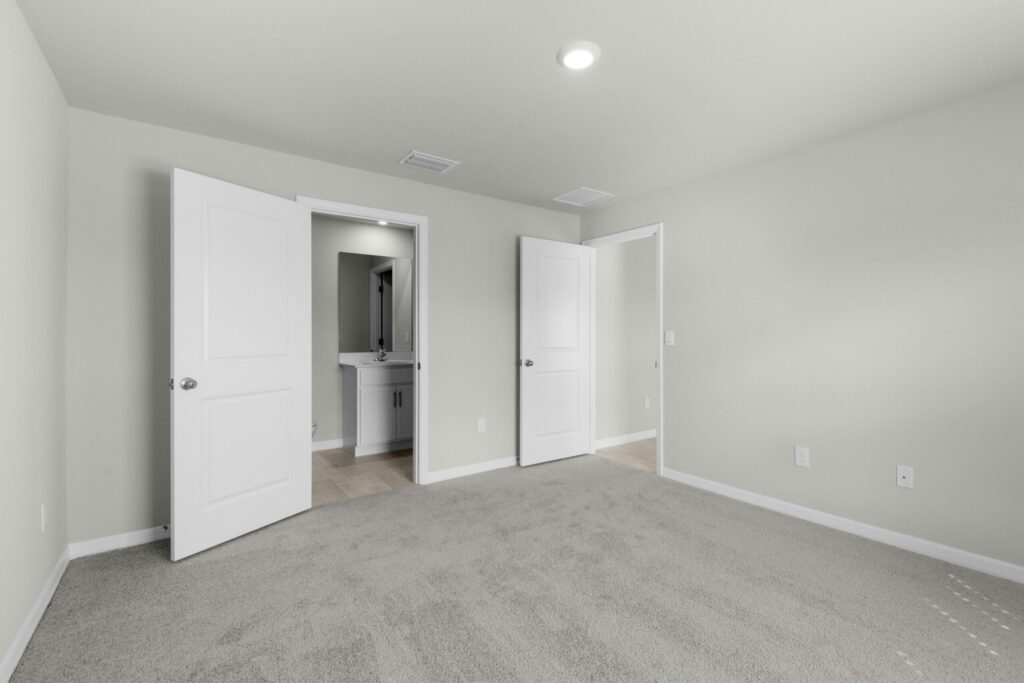
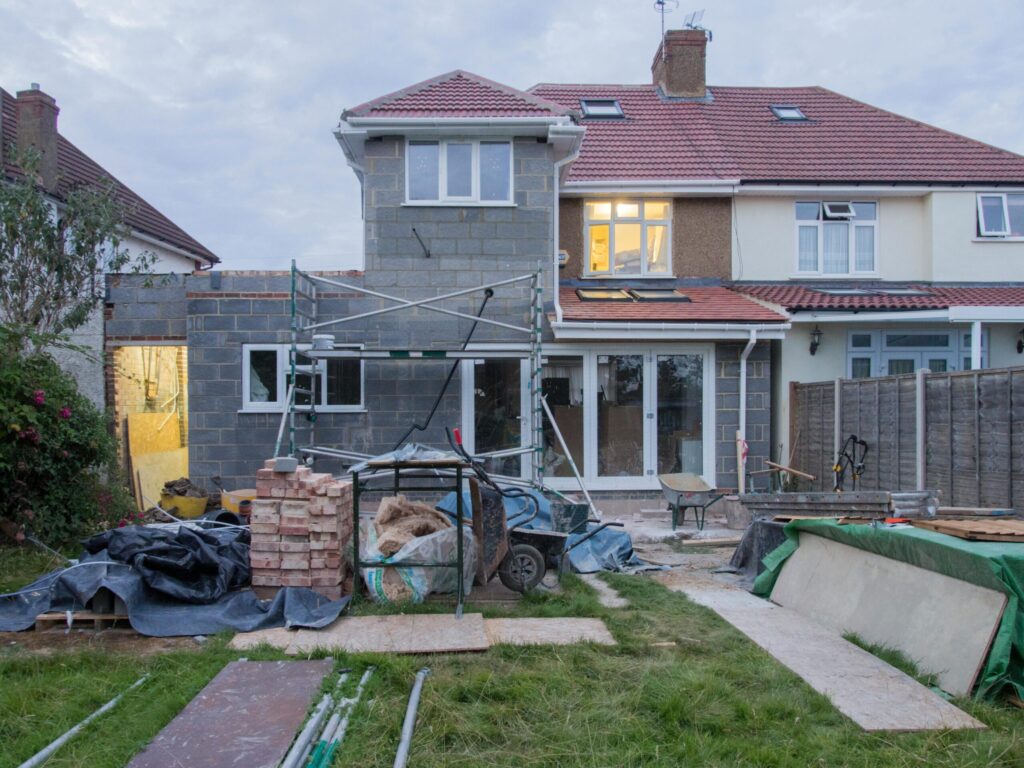
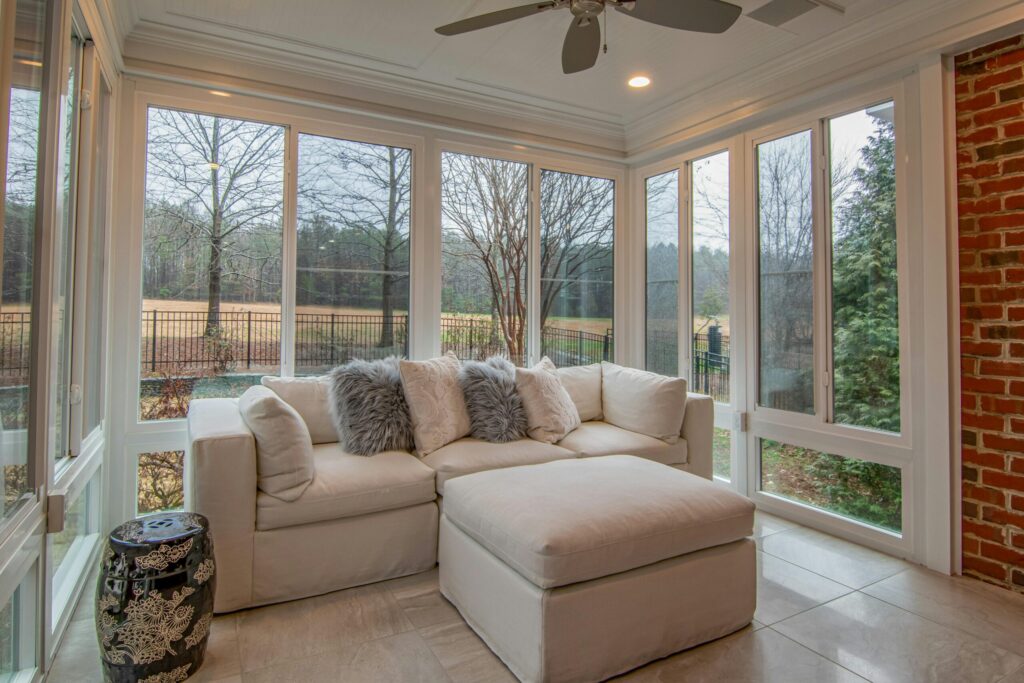
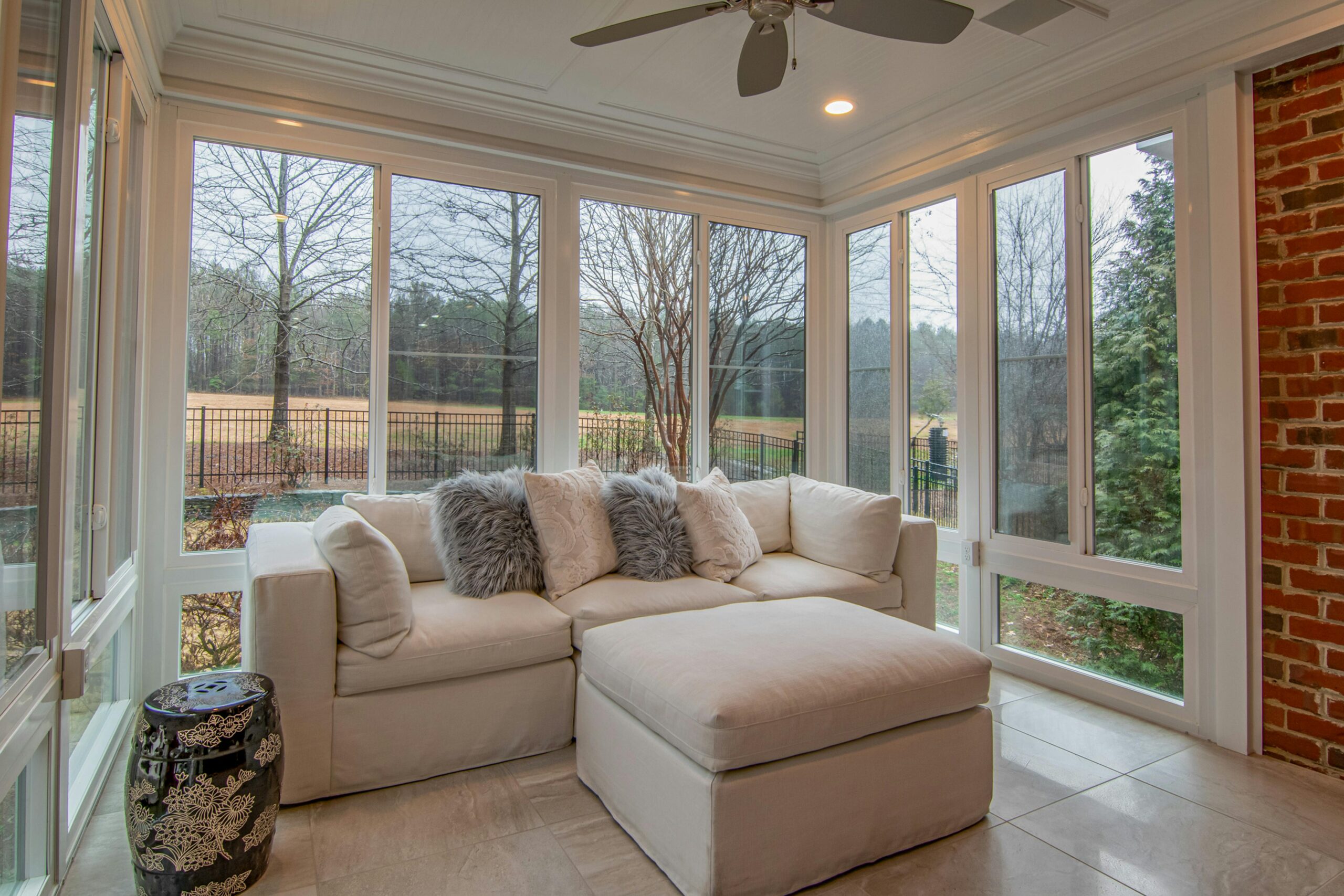
Room additions expand your home’s footprint at ground level, adding bedrooms, family rooms, offices, or sunrooms. These projects require foundation work, exterior wall construction, roofing that integrates with existing structure, and careful attention to matching architectural style. Single-story room additions work well on properties with adequate yard space and when maintaining the home’s existing roofline makes sense aesthetically and structurally.
Second-story additions maximize space on smaller lots by building upward rather than outward. These projects add substantial square footage without consuming yard space but require careful structural analysis to ensure your existing foundation and first-floor framing can support additional weight. Second-story additions involve more complex engineering, temporary roof removal, and managing interior disruption during construction. They work particularly well for ranch-style homes common throughout Boise’s mid-century neighborhoods when lot constraints limit ground-level expansion.
Bump-outs and cantilevers extend specific rooms by several feet—typically 2-6 feet—without requiring new foundation work for the extended portion. These smaller additions can enlarge kitchens, bathrooms, or primary bedrooms at more moderate cost than full room additions while still providing meaningful space increases. Structural engineering ensures proper support for cantilevered sections.
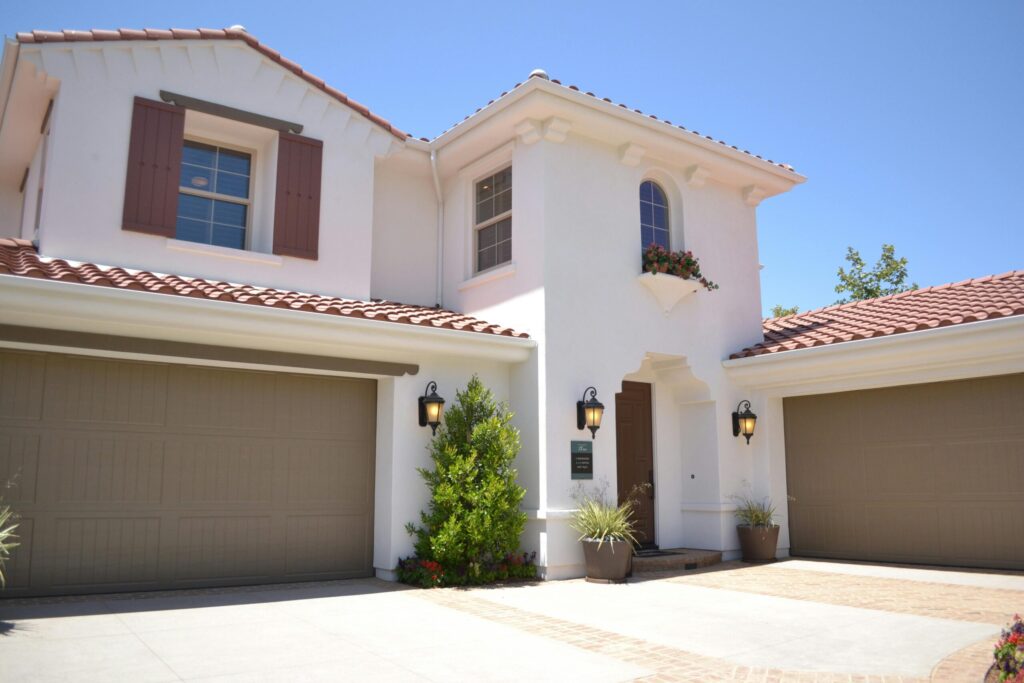
Garage conversions transform existing garage space into living areas, creating bedrooms, home offices, gyms, or guest suites. These projects leverage existing structure, foundation, and often electrical service, making them relatively cost-effective. Converting garages requires addressing insulation, heating/cooling, windows for egress and natural light, and often replacing the garage door with a proper wall. Homeowners need alternative parking solutions when converting garages.
Permitting Requirements for Home Additions
The City of Boise Planning & Development Services requires building permits for residential additions exceeding 500 square feet. Smaller additions may still require permits depending on scope and whether they involve structural, electrical, plumbing, or mechanical work. The permitting process involves multiple steps—zoning review ensures your addition complies with setback requirements and lot coverage limits, plan review examines structural engineering and building code compliance, and various inspections occur throughout construction.
Applications require detailed plans showing site layout, foundation details, framing plans, electrical and plumbing layouts, and energy code compliance documentation. Second-story additions and projects involving significant structural modifications typically require stamped engineering drawings from Idaho-licensed structural engineers. Some additions also trigger erosion and sediment control requirements when site disturbance exceeds thresholds.
Permit review timelines vary based on project complexity. Straightforward single-story additions with complete application packages often receive approval within two to three weeks, while second-story additions or projects with structural complexities may take four to six weeks. Experienced contractors know how to prepare thorough applications that minimize review cycles and revision requests.
Climate Considerations for Home Additions
Boise’s semi-arid climate with hot, dry summers and cold winters affects both construction methods and material selection for home additions. Proper insulation becomes crucial—additions must meet current energy code requirements, which have become more stringent than standards when many existing Boise homes were built. This sometimes creates challenges in seamlessly connecting new highly-insulated spaces with older, less-insulated existing structures.
Summer construction provides ideal weather conditions for home additions, with dry conditions and warm temperatures facilitating concrete curing, material stability, and comfortable working conditions. However, summer also represents peak construction season in Boise, affecting contractor availability and sometimes extending timelines. Fall and spring offer moderate temperatures with less demand competition. Winter construction remains feasible, though cold weather requires additional measures for concrete work, material protection, and worker comfort, and occasional snow can temporarily slow progress.
The region’s temperature extremes require thoughtful material selection. Exterior finishes must withstand significant seasonal expansion and contraction. Roofing systems need appropriate design for snow loads while managing intense summer heat. Window selection affects both energy efficiency and comfort. Contractors experienced with Idaho conditions understand which products perform reliably and how to install them for long-term durability.
Structural and Foundation Realities
Most home additions in Boise require foundation work to frost depth, which is 24 inches minimum below grade. This protects against frost heaving during winter freezing and thawing cycles. Foundation type depends on your existing home’s foundation, soil conditions, and addition design. Matching new foundation to existing foundation depth and type creates the most structurally sound connections.
Connecting new construction to existing structure requires careful engineering and execution. Load-bearing walls, roof connections, and how new framing integrates with old framing all need professional design and proper installation. Older homes sometimes reveal unexpected conditions once construction begins—foundation settling, modified framing from previous remodels, or structural elements that don’t match building plans. Contractors experienced with Boise’s diverse housing stock anticipate these possibilities and adapt efficiently when discovered.
Homes on slabs require different approaches than those with crawl spaces or basements. Ensuring floor heights match between existing space and additions affects both structural design and finished aesthetics. Some properties have soil conditions requiring special foundation considerations, and contractors may recommend geotechnical evaluations for larger additions or challenging sites.
Home Addition Costs in Boise
Understanding the financial investment required for home additions helps you plan realistically, make informed decisions about project scope, and avoid budget surprises during construction.
Typical Project Cost Ranges
| Addition Type | Cost Range |
|---|---|
| Bump-Out (2-6 feet extension, 50-150 sq ft) | $15,000 – $40,000 |
| Small Room Addition (150-250 sq ft, bedroom or office) | $40,000 – $75,000 |
| Large Room Addition (300-400 sq ft, family room or primary suite) | $75,000 – $125,000 |
| Second-Story Addition (500-800 sq ft, multiple rooms) | $125,000 – $250,000 |
| Major Addition (1,000+ sq ft, multiple rooms and features) | $200,000 – $400,000+ |
These ranges reflect current Boise market conditions and include design, permits, foundation, framing, roofing, exterior finish, basic interior finishes, and integration with existing home. Actual costs depend on size, complexity, finish quality, structural requirements, and how extensively the addition connects with existing spaces.
Key Factors That Influence Pricing
Square footage and complexity form the foundation of addition pricing. Construction costs in Boise range from $125 to $249 per square foot depending on construction grade and project characteristics. Straightforward rectangular additions with simple rooflines cost less per square foot than complex designs with multiple roof planes, angles, or custom architectural features. Second-story additions typically cost toward the higher end due to structural engineering requirements, temporary roof removal, and construction logistics.
Foundation requirements significantly impact budgets. Full foundation work to Boise’s 24-inch frost depth represents substantial expense—excavation, concrete, waterproofing, and backfill for a 300-square-foot addition can easily cost $15,000-$25,000. Cantilever or bump-out designs that extend from existing structure without new foundation reduce these costs but face size limitations. Challenging soil conditions, sloped lots requiring retaining walls, or deeper foundations on properties with basements increase foundation expenses.
Structural engineering and design add professional fees that typically range from $3,000 to $10,000 for most residential additions, with second-story additions and complex projects at the higher end. These fees cover structural calculations, stamped plans required for permitting, and sometimes architect involvement for design integration with existing architecture. While these represent upfront costs, proper engineering ensures safe, code-compliant construction that protects your investment.
Roofing integration affects both cost and aesthetics. Matching existing roof pitch, extending rooflines, or creating valleys where new roof meets old requires skilled carpentry and proper flashing to prevent leaks. Complex roof intersections cost more but often create better-looking results than simpler designs that appear tacked-on. Replacing old roofing material to match new roofing sometimes makes sense for aesthetics and performance, adding cost but creating cohesive appearance.
Finish quality and materials create wide cost variation. Builder-grade windows, doors, flooring, and fixtures keep costs toward lower ranges, while premium materials—hardwood floors, high-quality windows, custom millwork, designer fixtures—push costs higher. Most homeowners aim for finishes comparable to their existing home to maintain consistency, though additions sometimes offer opportunities to upgrade throughout during renovation.
Systems and utilities require extending or upgrading existing infrastructure. Running plumbing, electrical, and HVAC to additions involves both materials and skilled trades. Some older Boise homes need electrical panel upgrades when adding significant square footage and modern loads. HVAC systems may require expansion or separate zones for efficient heating and cooling of new space. These systems must meet current code requirements even when existing home has older, grandfathered systems.
Location and Property Considerations
Boise’s diverse neighborhoods present different addition challenges and opportunities. Historic homes in the North End may require Certificate of Appropriateness approval, adding timeline and potentially requiring specific materials or designs to maintain neighborhood character. Properties with HOAs face additional approval processes and may have restrictions on addition size, style, or placement.
Tight urban lots with limited setbacks may restrict addition options or require variance applications, adding time and complexity to permitting. Properties with mature landscaping face decisions about tree removal or protection during construction. Homes backing to canals, greenbelt, or other water features may have additional setback requirements or limitations.
Permitting fees in Boise typically range from $1,500 to $4,000 for most home additions depending on size and complexity. Impact fees apply to significant additions that increase home size substantially. While these represent modest portions of total project costs, they should be included in budget planning.
Transparent, Itemized Estimates
Professional contractors provide detailed written estimates breaking down costs by phase—demolition and site preparation, foundation, framing, roofing, exterior finishing, windows and doors, electrical, plumbing, HVAC, insulation, drywall, interior finishes, and painting. This transparency allows you to understand cost allocation and identify areas where material selections could adjust to fit budget.
Quality contractors also discuss contingencies based on your home’s age and condition. Properties built before 1980 should budget 15-20% contingency for unexpected discoveries—hidden structural issues, modified framing from previous work, or conditions that only become apparent once walls are opened. Honest contractors explain these possibilities upfront rather than surprising you mid-project.
What Makes Our Contractor Network Different
Local Zoning and Permitting Knowledge
Contractors in our network work regularly with Boise’s Planning & Development Services and understand current zoning code, setback requirements, lot coverage limits, and approval processes. They can assess your property’s buildable area during initial consultations, identify potential zoning challenges, and determine whether your addition concept requires variances or special approvals. This expertise prevents investing in designs that don’t comply with regulations and ensures smooth permitting. Their established relationships with city planning and building officials facilitate communication and efficient problem resolution when questions arise during review.
Structural Engineering Coordination
Home additions require structural engineering to ensure safe, code-compliant construction—especially second-story additions that add significant load to existing structures. Experienced contractors work with qualified Idaho-licensed structural engineers who understand local building practices, soil conditions, and construction methods common to different eras of Boise housing. They coordinate engineering with architectural design to create additions that are both structurally sound and aesthetically appropriate. This integrated approach produces complete, well-coordinated construction documents that move efficiently through permitting and translate clearly into quality construction.
Integration with Existing Architecture
The best home additions look like they’ve always been part of the house rather than obvious afterthoughts. Contractors who regularly build additions throughout Boise understand how to match existing materials, match roof pitches, align window and door styles, and create transitions that feel natural. They recognize the architectural characteristics of different housing eras—ranch homes, craftsman bungalows, contemporary designs—and design additions that respect and complement these styles. This attention to visual integration protects your home’s aesthetic appeal and resale value.
Construction Quality for Idaho Conditions
Boise’s climate demands construction methods appropriate for temperature extremes, low humidity, and occasional severe weather. Experienced local contractors understand proper insulation techniques, air sealing to meet energy code while managing moisture, flashing details that prevent water intrusion at connections between old and new construction, and foundation systems that perform reliably through freeze-thaw cycles. They select materials proven to withstand Idaho conditions and install them using methods that ensure long-term performance. Quality construction prevents the callbacks, failures, and premature repairs that plague poorly-executed additions.
Project Management and Communication
Home addition projects involve multiple trades, material deliveries, inspections, and coordination with your daily life. Professional contractors manage these complexities while keeping you informed about progress, upcoming milestones, and any issues requiring decisions. They maintain realistic schedules, communicate when delays occur, and work efficiently to minimize disruption to your household. This project management differentiates smooth, successful additions from stressful experiences that drag on indefinitely.
Licensed & Insured Contractors Only
Every contractor in our network maintains active Idaho contractor licensing as required by state law and carries current liability insurance and workers’ compensation coverage. We verify these credentials before making referrals, protecting you from unlicensed operators and ensuring your addition project is completed by qualified professionals. Licensed contractors understand building codes, coordinate required engineering, manage permit processes, and carry insurance that protects you during construction. This verification ensures your substantial investment is in capable, accountable hands throughout the entire project.
Let's Start Your Home Addition in Boise
Let’s chat about your ideas! Getting started is easy – simply reach out with details about your home addition project, and we’ll connect you with qualified, licensed contractors.
REAL STORIES FROM SATISFIED CUSTOMERS

Need Help?
Frequently Asked Questions About Home Addition in Boise
Below are some of the most common questions Our Network get from families about Home Addition. If you have any other questions contact us!
How long does a home addition take to complete?
Most home additions take three to six months from permit approval to completion. Simple single-story room additions might finish in three to four months, while second-story additions or complex projects typically require five to seven months. Permitting adds two to six weeks before construction begins. Weather rarely delays additions significantly, though winter projects may progress slightly slower during cold periods. Material lead times—especially for windows, doors, or custom elements—can extend schedules. Contractors provide realistic timelines during estimates and communicate promptly about any schedule adjustments during construction.
Do I need to move out during a home addition?
Most homeowners remain in their homes during addition construction, though living conditions become more challenging than during interior remodeling. Exterior work—foundation, framing, roofing—creates noise and activity but doesn’t directly disrupt interior spaces. Once additions are enclosed and interior work begins, dust, noise, and workers moving through your home become daily realities. Some families with young children, work-from-home requirements, or health sensitivities choose temporary housing during the most intensive construction phases. Discuss your situation with contractors during planning to understand disruption levels and develop strategies to minimize impact on your daily life.
Will a home addition increase my property value?
Well-designed, properly-executed home additions typically increase property values, though the return varies based on addition type, neighborhood, and quality. Bedroom and bathroom additions generally provide good returns since they increase functional space families need. Square footage increases almost always add value, though the cost of the addition may exceed the immediate value increase. However, additions also improve livability and functionality—often the primary motivation rather than pure financial return. Quality construction that integrates well architecturally preserves and enhances value better than obviously-added space that looks out of place.
Can I change the addition design after construction starts?
Design changes after construction begins create complications, delays, and cost increases that usually far exceed the changes’ apparent simplicity. Foundation work, framing, and structural elements get locked in early, making modifications expensive or impossible once installed. Changes to finishes, fixtures, or colors remain feasible later in construction, though they may delay completion if new materials need ordering. The best approach is finalizing all design decisions before construction starts. Take time during planning to ensure the addition meets your needs, review plans carefully, and make changes on paper rather than during construction. This avoids expensive change orders and keeps projects on schedule and budget.
Talk to a Home Addition Contractor in Boise Today
Whether you’re in a North End bungalow needing more space, a Bench ranch home ready for second-story expansion, a Southeast Boise property near Boise State, newer Northwest Boise developments, or anywhere throughout Ada County, finding the right contractor for your home addition should be straightforward. We connect homeowners with experienced, licensed contractors who understand Boise’s permitting requirements, work within your property’s constraints, and deliver additions that integrate seamlessly with existing homes.