
Professional Concrete Contractors in Boise, Idaho
Looking for concrete contractors in Boise? You're in the right place. We connect homeowners like you with local concrete contractors who treat every project with the care and professionalism it deserves.
Popular Concrete Services in Boise
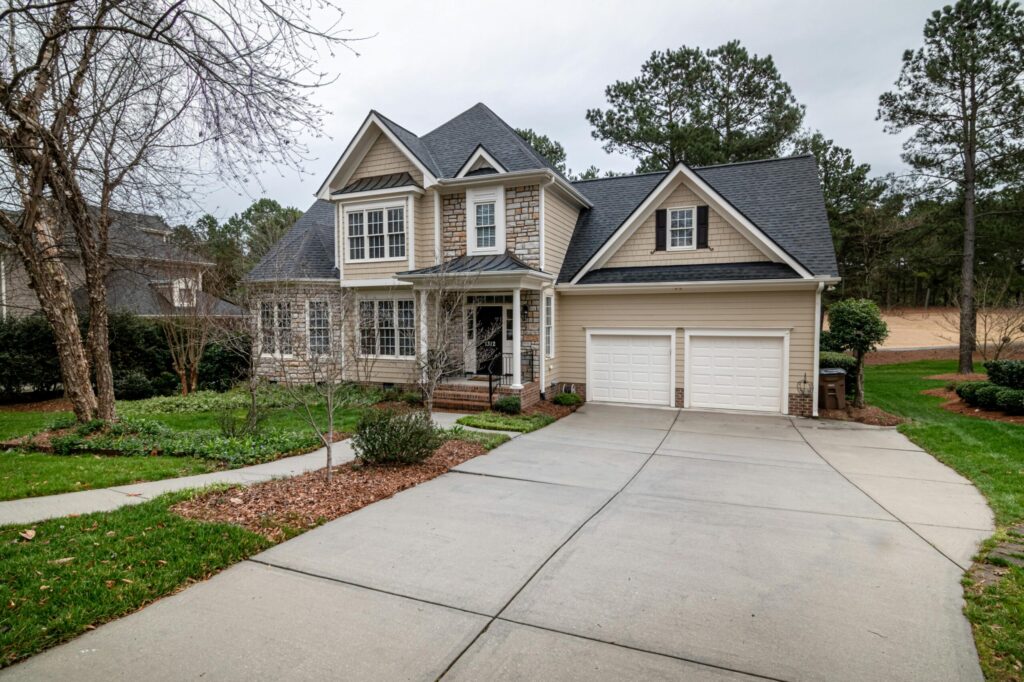
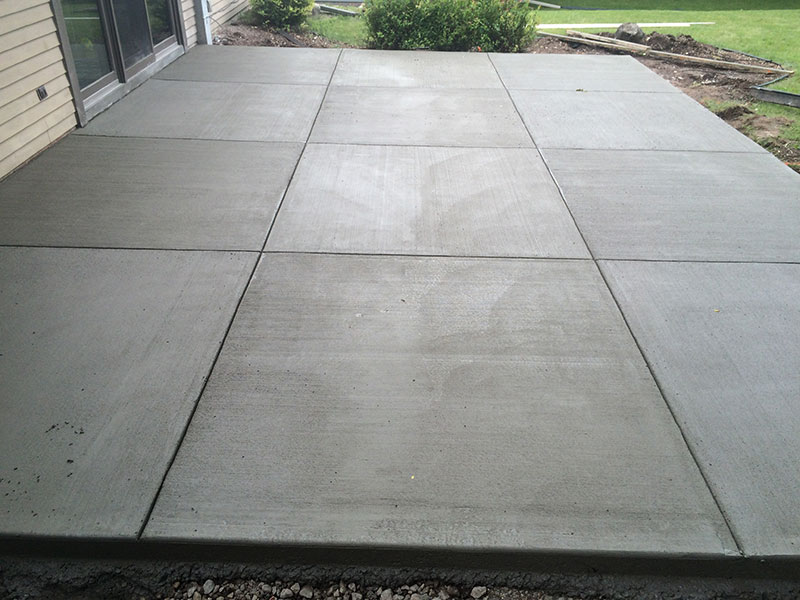
Concrete Walkways & Sidewalks
Install safe, attractive pathways throughout your property.
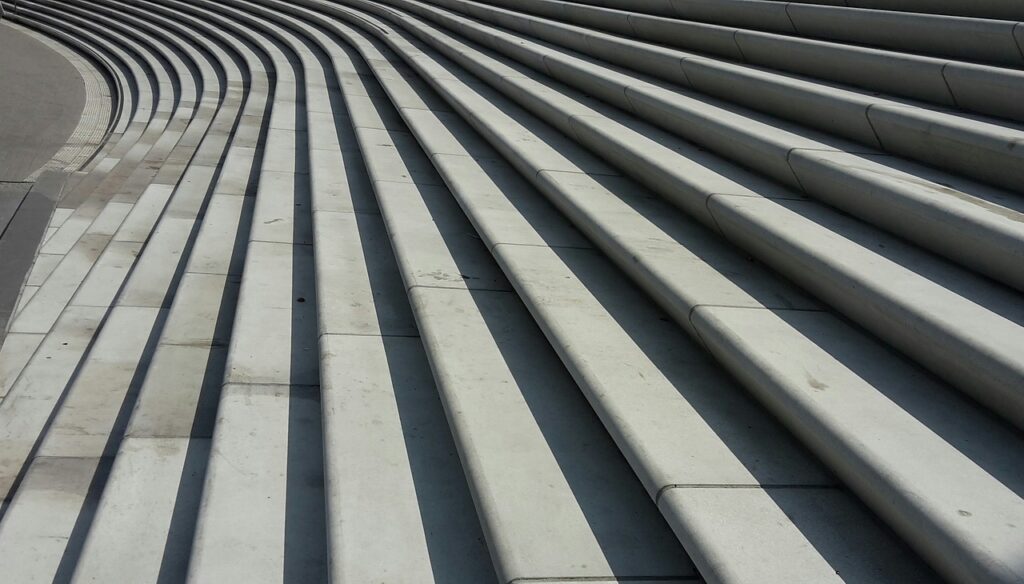
Concrete Steps & Stairs
Create safe, durable steps and stairways that handle traffic and weather.
Our Concrete Project Process
1. Initial Consultation & Goals
We discuss your concrete needs, project scope, timeline, and budget parameters. Understanding your goals helps us connect you with appropriate contractors.
2. Site Evaluation
Contractors evaluate your property including soil conditions, drainage, access for concrete trucks, existing structures, and any obstacles.
3. Design & Scope Definition
Contractors provide detailed quotes including excavation requirements, base preparation, concrete specifications, reinforcement, finishing options, and timeline.
4. Contractor Matching
We connect you with experienced, insured concrete contractors. You receive multiple detailed quotes comparing approaches and pricing.
5. Permits & Construction
If required, contractors obtain permits. They schedule work considering weather conditions and coordinate concrete delivery.
6. Final Inspection & Walkthrough
Contractors review completed work, explain curing requirements, provide care instructions, and address any questions. Required inspections completed before project closure.
Concrete Work in Boise — What Homeowners Should Know
Boise’s Climate and Concrete Considerations
Boise’s high-desert climate presents unique challenges for concrete work. With approximately 12 inches of annual precipitation, extreme temperature variations (summer highs regularly 90-100°F, winter lows often below freezing), and significant UV exposure year-round, choosing the right concrete mix and installation methods matters tremendously.
Temperature swings: Daily temperature fluctuations of 30-40°F are common in spring and fall. Concrete expands and contracts with these changes, which is why proper control joints (expansion joints) are critical. Professional contractors space joints correctly to prevent random cracking.
Freeze-thaw cycles: While Boise is dry, we do experience freeze-thaw cycles that damage improperly installed concrete. Water seeps into tiny cracks, freezes and expands, then thaws—gradually destroying concrete from within. Proper sealing and air-entrained concrete mixes prevent freeze-thaw damage.
UV degradation: Boise’s high elevation (2,730 feet) and 200+ sunny days annually mean intense UV exposure. This fades colored concrete and degrades sealers faster than in cloudy climates. Quality sealers specifically formulated for high-UV environments last longer and protect better.
Soil and Foundation Factors
Boise’s soil composition directly affects concrete performance. The Treasure Valley features sandy loam, clay deposits, and alluvial soils from ancient river systems. Understanding these soil characteristics is critical:
Clay soils: Common throughout Boise, clay expands when wet and shrinks when dry. This movement exerts tremendous pressure on concrete slabs, causing cracking and heaving. Professional contractors account for expansive soils by using proper base preparation (compacted gravel base, often 4-6 inches deep), installing reinforcement (rebar or wire mesh), including control joints at proper intervals, and ensuring adequate drainage away from slabs.
High water table areas: Properties near the Boise River, irrigation canals, or low-lying areas may have higher water tables. This affects foundation depth, requires additional waterproofing measures, and may need perimeter drainage systems. Contractors familiar with Boise geography know which areas require extra attention.
Frost line depth: Boise’s frost line is 24 inches below grade. Any concrete foundation, post, or footing must extend at least this deep to prevent frost heaving. Shallow foundations will shift, crack, and fail over time.
Concrete PSI Requirements for Boise
PSI (pounds per square inch) measures concrete’s compressive strength. Higher PSI means stronger, more durable concrete. Boise projects typically require:
Residential driveways: 3,500-4,000 PSI (handles vehicle weight and freeze-thaw cycles) Patios and walkways: 3,000-3,500 PSI (sufficient for foot traffic and outdoor furniture) Garage floors: 3,500-4,000 PSI (supports vehicles and equipment) Foundations: 3,000-4,000 PSI with proper reinforcement Commercial floors: 4,000-5,000+ PSI (handles heavy equipment and constant traffic)
Higher PSI concrete costs more per cubic yard ($132-$159 per yard in Boise depending on PSI), but the extra expense prevents premature failure.
Permits, Building Codes & Requirements
When Are Concrete Permits Required in Boise?
The City of Boise requires building permits for certain concrete work to ensure safety and code compliance:
Permits ARE required for:
- Concrete patios more than 12 inches above grade
- Foundations for new structures or additions
- Structural slabs for garages, shops, or buildings
- Driveways requiring significant grading or drainage work
- Commercial concrete work
- Projects disturbing 10+ cubic yards of earth (requires Erosion and Sediment Control permit)
Permits are NOT required for:
- Standard ground-level concrete patios (12 inches or less above grade)
- Sidewalk repairs and replacements
- Minor driveway repairs
- Decorative concrete overlays on existing surfaces
Important: Even when permits aren’t required, all concrete work must meet building code requirements. Professional contractors know when permits are needed and handle all applications and inspections.
Building Code Requirements
All concrete work in Boise must comply with the Idaho State Building Code and local amendments:
Foundation depth: Minimum 24 inches below grade (Boise’s frost line) Concrete thickness: Minimum 4 inches for slabs, 3.5 inches for patios (though 4 inches is recommended) Reinforcement: Wire mesh or rebar required for most applications Control joints: Properly spaced to control cracking (typically every 8-10 feet) Slope and drainage: Minimum 2% slope away from structures ADA compliance: Required for commercial work and some residential applications
Permit Costs and Timeline
Permit fees in Boise vary based on project scope and valuation:
- Simple permits: $100-$300
- Standard residential concrete work: $200-$500
- Commercial projects: $500-$2,000+
- Erosion control permit: Additional $50-$200
Timeline:
- Simple permits: 1-5 business days
- Standard residential: 3-10 business days
- Commercial or complex projects: 2-4 weeks
Your contractor includes permit costs in estimates and handles all applications, scheduling inspections, and ensuring compliance.
Required Inspections
Concrete projects requiring permits undergo inspections at specific stages:
- Pre-pour inspection — Verifies forms are properly set, reinforcement is correct, and base preparation meets standards
- Final inspection — Confirms finished concrete meets all code requirements
Contractors schedule all inspections and ensure work passes on the first try.
How Much Do Concrete Contractors Cost in Boise Idaho?
Concrete costs in Boise vary based on project type, size, complexity, and finish level. Here’s what homeowners typically pay in the Treasure Valley:
Concrete Material Costs (Per Cubic Yard)
Ready-mix concrete in Boise costs $132-$159 per cubic yard delivered, depending on PSI:
- 3,000 PSI: $132-$139 per cubic yard
- 4,000 PSI: $141-$149 per cubic yard
- 5,000 PSI: $151-$159 per cubic yard
Delivery fees: $120-$260 per truck load (may be reduced or waived for larger orders)
Cost by Project Type (Per Square Foot – Installed)
Concrete Driveways:
- Basic broom finish: $5-$8 per square foot
- Colored concrete: $8-$12 per square foot
- Stamped concrete: $9-$15 per square foot
- High-end decorative: $15-$21 per square foot
Concrete Patios:
- Plain gray concrete: $4-$8 per square foot
- Broom finish: $6-$10 per square foot
- Exposed aggregate: $7-$14 per square foot
- Colored or stained: $8-$15 per square foot
- Stamped concrete: $9-$18 per square foot
Concrete Sidewalks/Walkways:
- Standard finish: $6-$12 per square foot
- Decorative options: $8-$18 per square foot
Garage Floors:
- Basic 4-6 inch slab: $6-$12 per square foot
- With epoxy coating: $10-$22 per square foot
Foundations:
- Standard residential: $6-$14 per square foot
- Commercial grade: $10-$20+ per square foot
Average Project Costs in Boise
Based on actual Boise-area projects:
Standard residential concrete projects: $2,030-$2,127 average total cost Concrete pad installation: $2,087-$2,292 (Ada County average) Standard driveway (400 sq ft): $2,000-$6,000 Standard patio (200 sq ft): $800-$3,600 Two-car garage floor (500 sq ft): $3,000-$6,000
Cost Factors Specific to Boise
Several elements affect your final concrete cost in the Treasure Valley:
Site accessibility: Difficult access requiring wheelbarrows instead of concrete trucks adds 30-50% to labor costs Soil conditions: Rocky soil in the Boise Foothills requires expensive drilling or excavation Grading requirements: Significant slope or uneven terrain increases costs Base preparation: Poor soil requires deeper gravel base and more compaction Decorative features: Custom colors, patterns, borders, and textures increase costs significantly Removal and disposal: Old concrete removal adds $2-$5 per square foot Timing: Winter work may incur weather-related delays or additional costs Reinforcement needs: Projects requiring extra rebar or specialized reinforcement cost more
Breaking Down Costs
Understanding where your money goes helps you make informed decisions:
Materials (40-50% of total cost):
- Ready-mix concrete
- Reinforcement (rebar, wire mesh)
- Forms and stakes
- Sealers and curing compounds
- Decorative elements (color, stamps, stains)
Labor (50-60% of total cost):
- Site preparation and excavation
- Base installation and compaction
- Form building and setup
- Concrete pouring and finishing
- Cleanup and disposal
- Follow-up sealing (if included)
How to Get the Best Value
Money-saving tips from Boise concrete professionals:
- Size matters — Larger projects often have lower per-square-foot costs due to economies of scale
- Timing — Off-season work (late fall, winter, early spring) may offer better pricing and availability
- Keep it simple — Basic finishes cost far less than elaborate decorative work
- Combine projects — If you need both a driveway and patio, doing them together saves on mobilization costs
- Proper maintenance — Sealing concrete every 2-3 years extends life 50-100%
- Compare total value — The cheapest quote often uses lower-quality materials or cuts corners
Why Choose Boise Remodeling Experts for Concrete Work?
We Connect You With the Best Concrete Contractors
Every concrete contractor in our network is carefully vetted:
- Properly registered with Idaho Division of Building Safety
- Fully insured with liability and workers’ compensation coverage
- Experienced with hundreds of Boise-area projects completed
- Code compliant — understand local requirements and building codes
- Quality focused — use proper PSI concrete and installation techniques
- Transparent pricing — detailed estimates with no hidden fees
- Strong communication — keep you informed throughout the project
- Warranty backed — stand behind their work with solid warranties
Local Expertise Matters
Concrete work in Boise isn’t the same as concrete work in Seattle or Phoenix. Our contractors understand:
- Boise’s soil conditions and how they affect concrete
- Proper base preparation for Treasure Valley clay soils
- Climate considerations — freeze-thaw cycles, UV exposure, temperature swings
- Frost line requirements — 24-inch minimum depth
- Local permit processes — City of Boise and Ada County
- Seasonal timing — best months for pouring in Idaho
- Material sources — local suppliers and delivery logistics
Quality Materials for Idaho’s Climate
Contractors we work with use materials proven for Boise conditions:
- Air-entrained concrete mixes — resist freeze-thaw damage
- Proper PSI ratings — 3,500-4,000 PSI minimum for driveways
- Quality reinforcement — Grade 60 rebar or 6×6 W1.4xW1.4 wire mesh
- UV-resistant sealers — formulated for high-elevation sun exposure
- Premium admixtures — improve workability and durability
- Proper curing compounds — ensure maximum strength development
We Serve All of Boise and Surrounding Areas
We help homeowners and businesses with concrete work throughout the entire Treasure Valley, including:
Downtown Boise, North End, East End, Boise Bench, Southeast Boise, West Boise, Boise Heights, Warm Springs Mesa, Barber Valley, Harris Ranch, Meridian, Eagle, Star, Nampa, Caldwell, Kuna, Garden City, Hidden Springs, Middleton, Emmett, and everywhere in between.
Let's Start Your Concrete Installation in Boise!
Let’s chat about your ideas! Getting started is easy – simply reach out with details about your flooring project, and we’ll connect you with qualified, licensed flooring contractors.
Need Help?
Frequently Asked Questions About Concrete Installation in Boise
Below are some of the most common questions Our Network get from families about Concrete remodel. If you have any other questions contact us!
How long does concrete take to cure?
Concrete reaches sufficient strength for foot traffic in 24-48 hours and light vehicle traffic in 7 days. However, full strength development takes 28 days. During curing, contractors protect concrete from temperature extremes, keep it moist (or apply curing compounds), and prevent premature loading. Rushing the cure process weakens concrete permanently. Most contractors recommend waiting 7 days minimum before parking vehicles on new driveways and 30 days before applying sealers.
Can you pour concrete in winter in Boise?
Yes! Professional contractors pour concrete year-round in Boise with proper precautions. Cold-weather concreting requires special techniques including heated water in the mix, fast-setting cement, insulated blankets or heated enclosures during curing, and protection from freezing for 48-72 hours. Concrete poured below 40°F without protection will freeze, destroying its strength permanently. Winter pours cost 10-20% more due to extra materials and labor, but experienced contractors deliver quality results. Avoid DIY concrete work in winter—leave it to professionals.
How thick should my concrete be?
Driveways: Minimum 4 inches, ideally 5-6 inches for heavy vehicles or commercial use Patios: Minimum 3.5 inches, though 4 inches is recommended for longevity Sidewalks: 4 inches standard Garage floors: 4-6 inches with proper reinforcement Foundations: 6+ inches with rebar reinforcement
Thicker concrete costs more but lasts significantly longer. Skimping on thickness is false economy—thin concrete cracks and fails prematurely.
What's better: concrete or pavers?
Both have pros and cons. Concrete advantages: lower initial cost ($4-$18/sq ft vs $10-$30/sq ft for pavers), faster installation, no weeds growing between pieces, easier snow removal, and better for vehicle traffic. Paver advantages: easier individual piece replacement, permeable options available, and some find them more attractive. For Boise’s climate, concrete performs excellently. Stamped concrete gives you the paver look at concrete prices. Most homeowners choose concrete for driveways and larger patios due to cost savings and durability.
Talk to a Concrete Contractor in Boise
Your home or business deserves quality concrete that lasts for decades. We’re here to connect you with registered, insured concrete contractors who understand Boise’s climate, comply with local codes, and deliver exceptional craftsmanship at fair prices.
From beautiful stamped driveways to durable garage floors, functional sidewalks to stunning decorative patios—professional concrete work transforms properties and adds lasting value.