
Professional Basement Finishing in North End Boise, ID
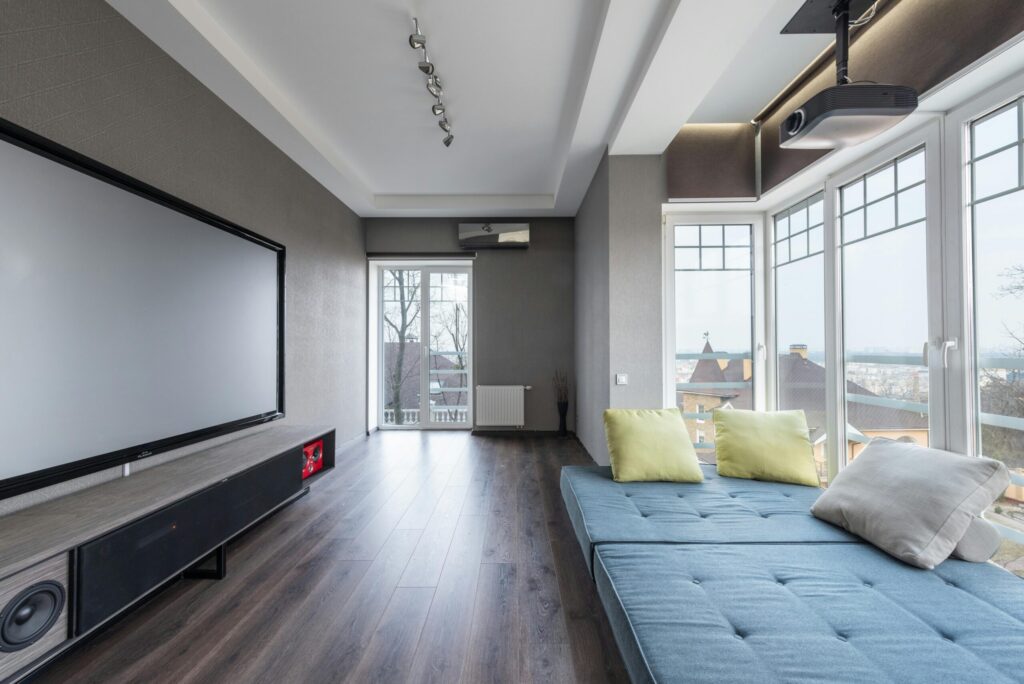
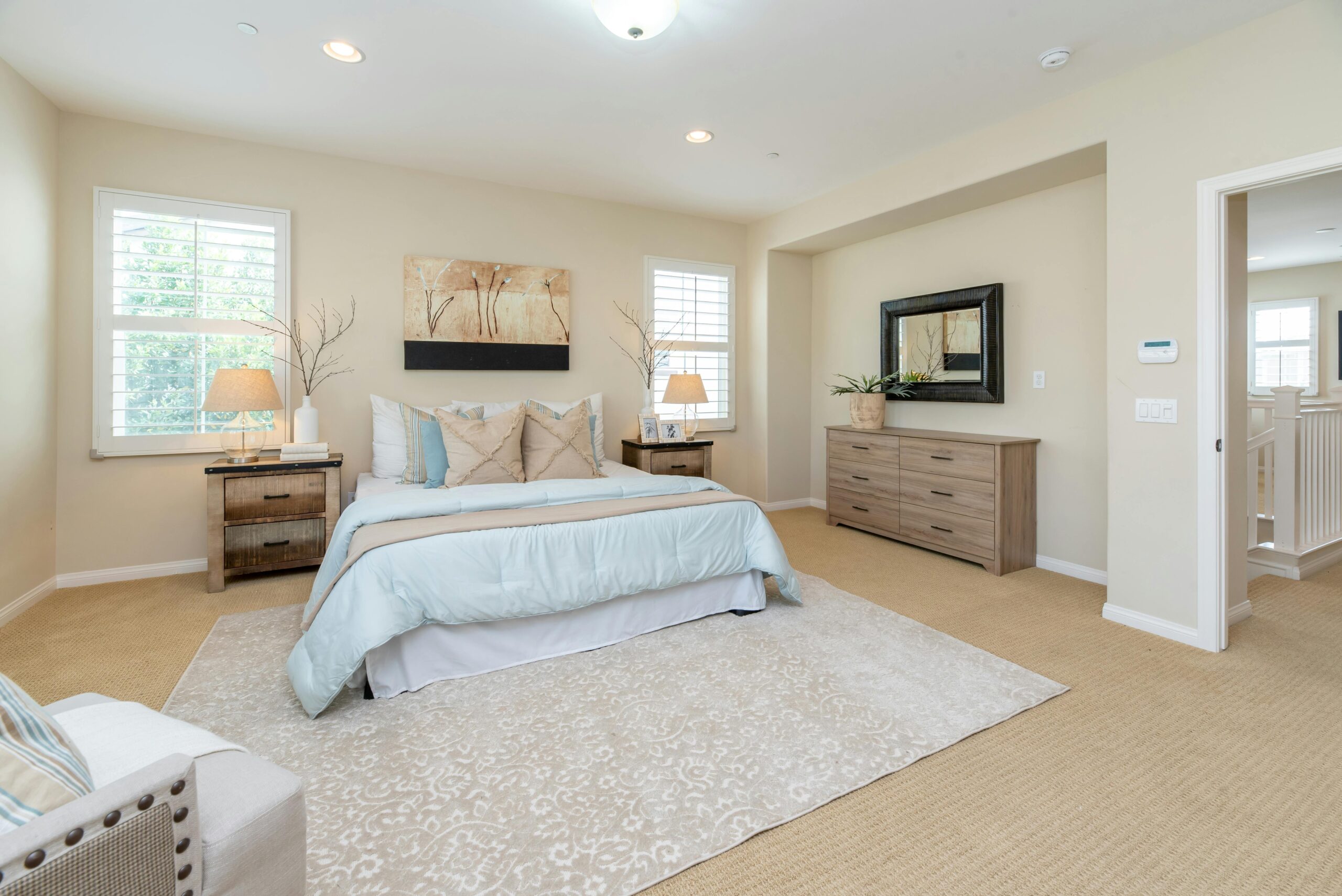
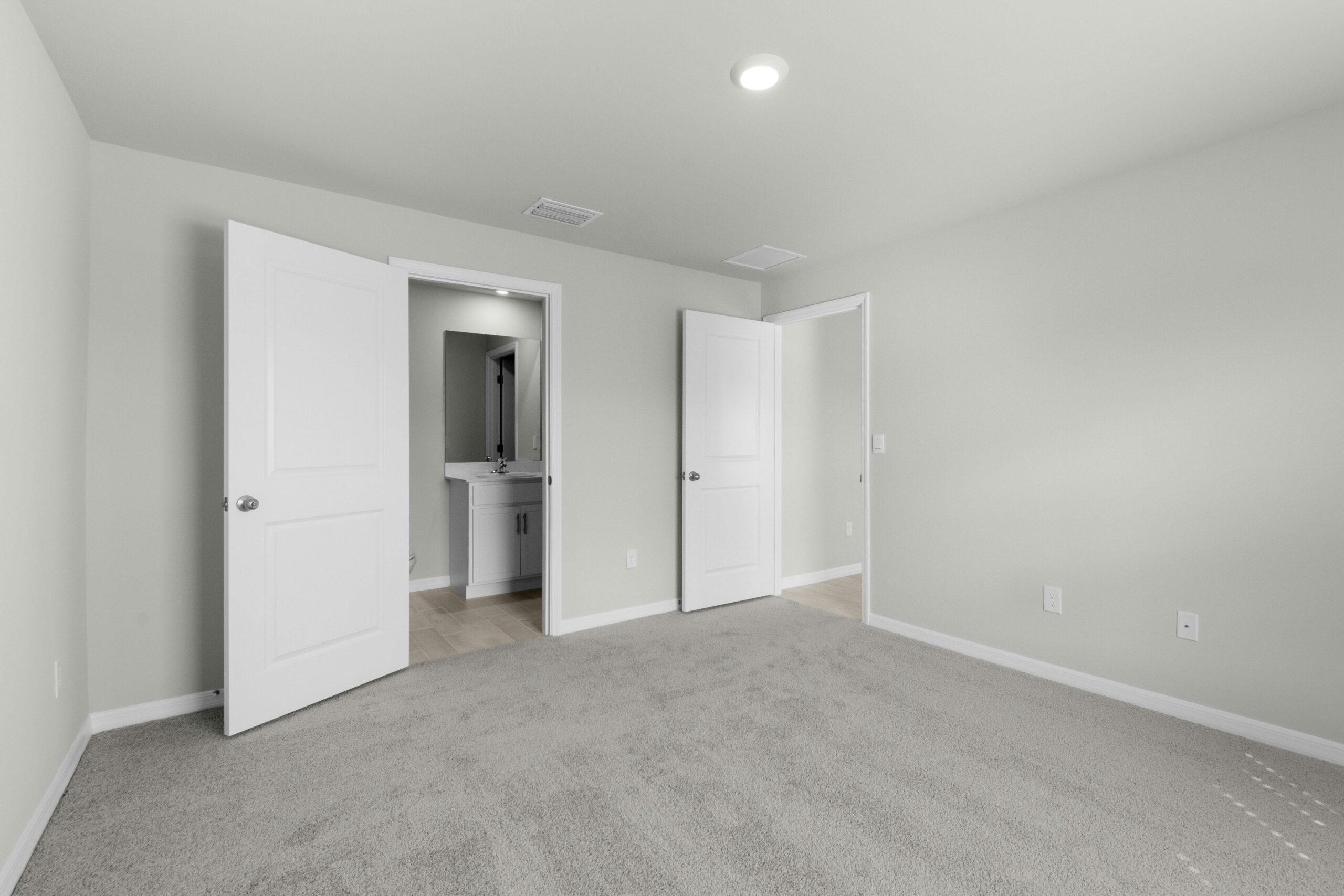
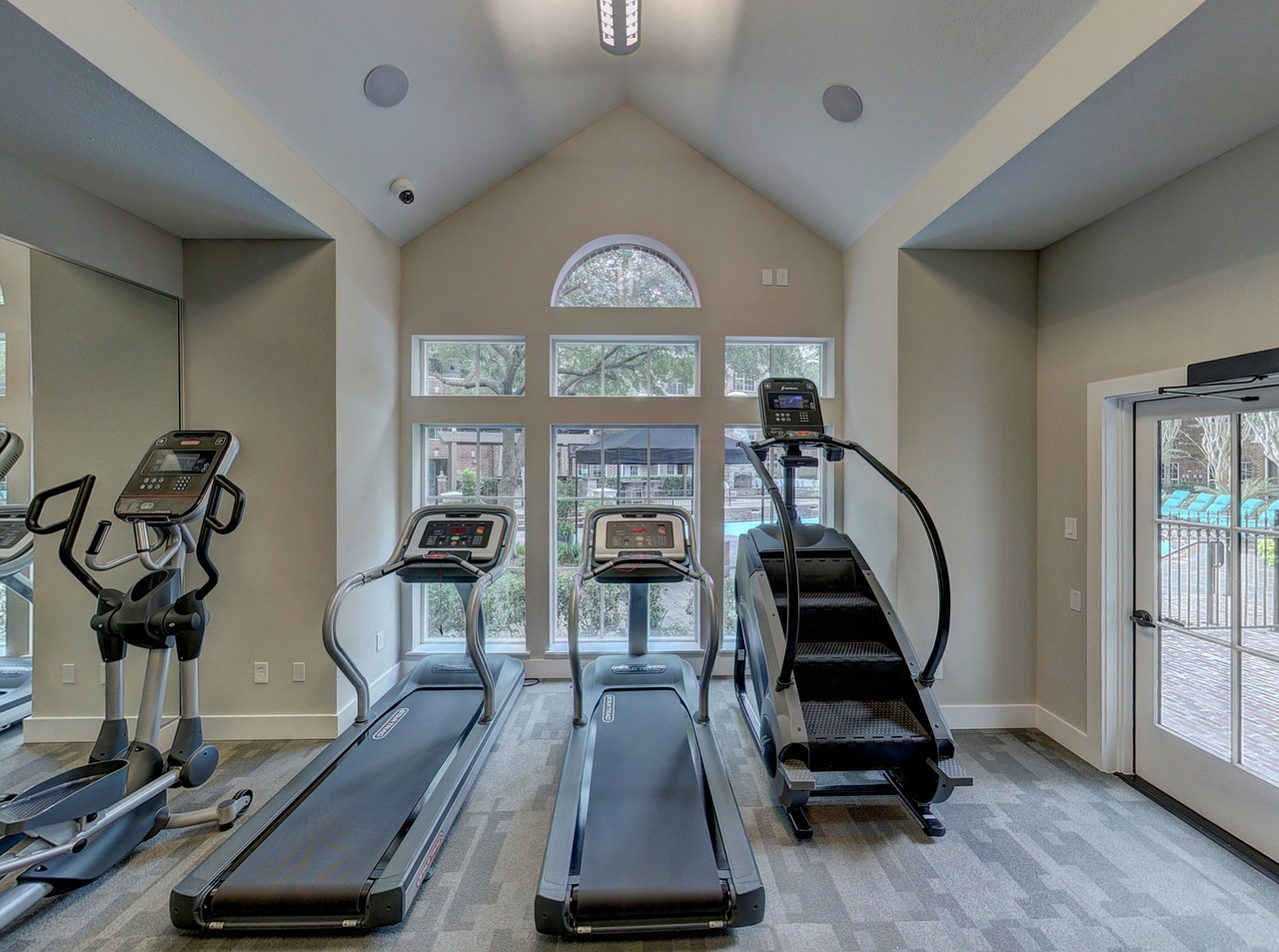
Looking for trusted basement finishing contractors in North End Boise, ID? Turn your unused basement into your family's favorite space! We connect homeowners with licensed, insured basement remodeling contractors who transform dark, unused basements into beautiful, functional living areas.
Popular Basement Finishing Services in North End Boise
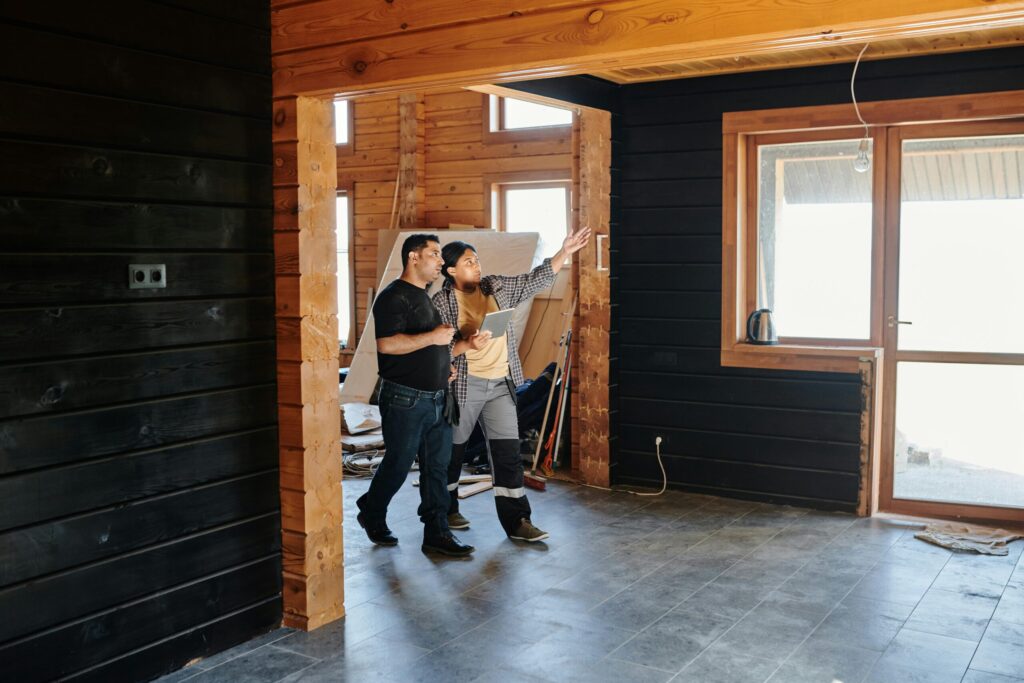
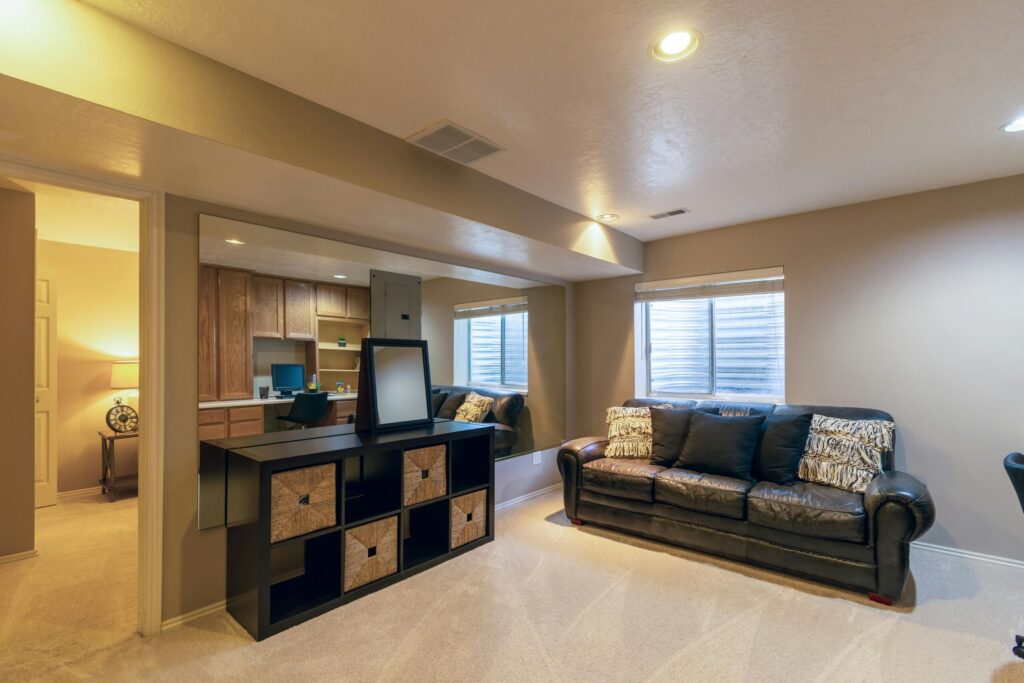
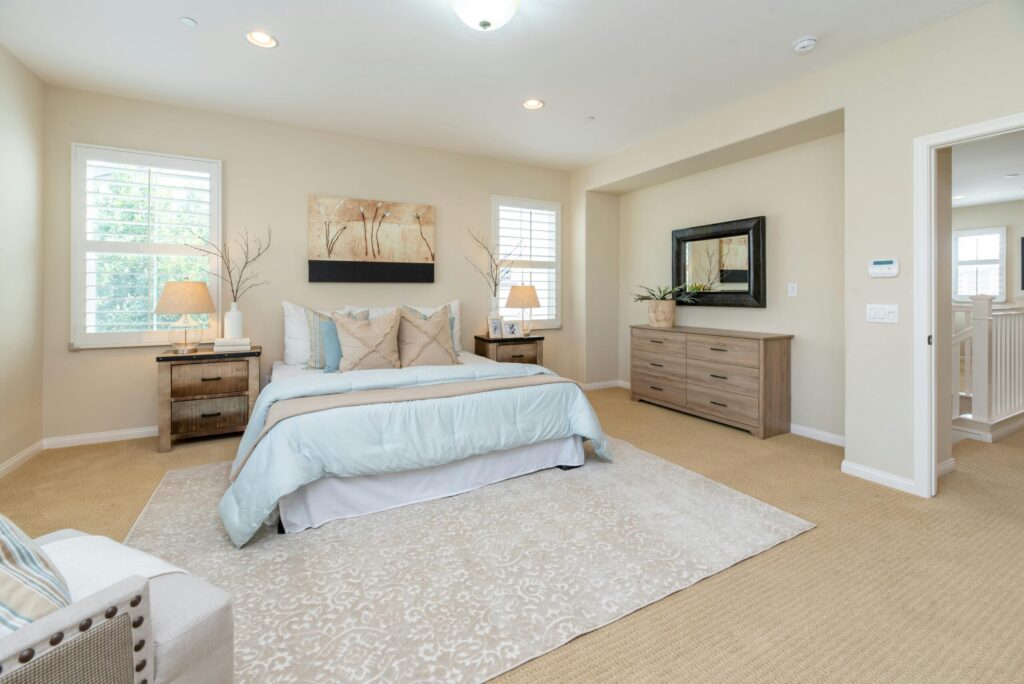
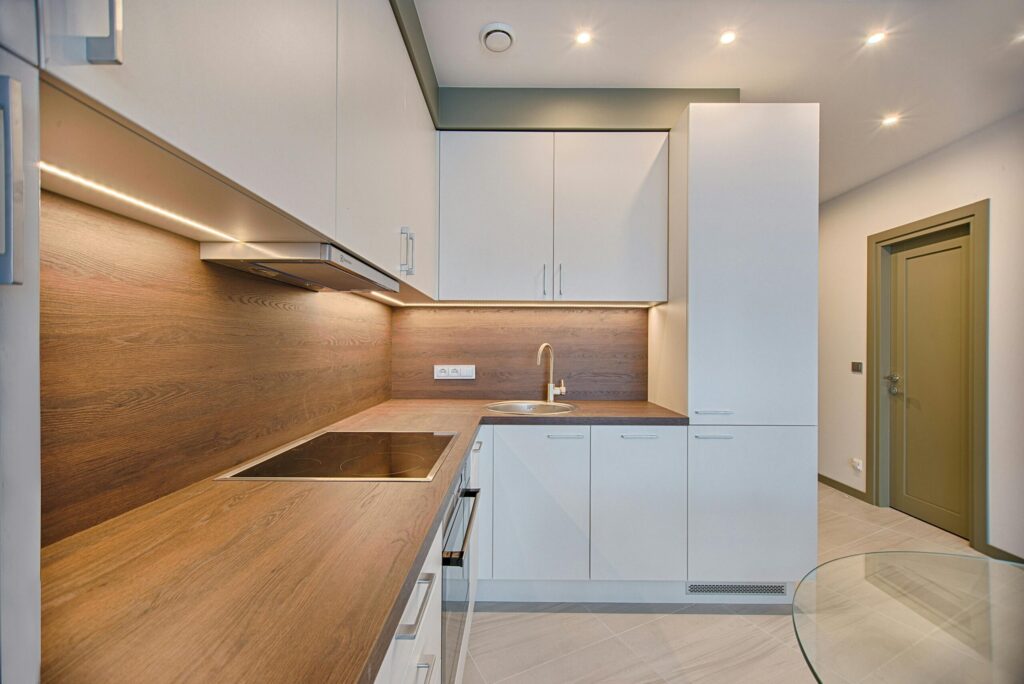
Our Basement Finishing Process
1. Initial Consultation & Goals
We discuss your vision, needs, budget, and any concerns about your current basement space.
2. Site Evaluation
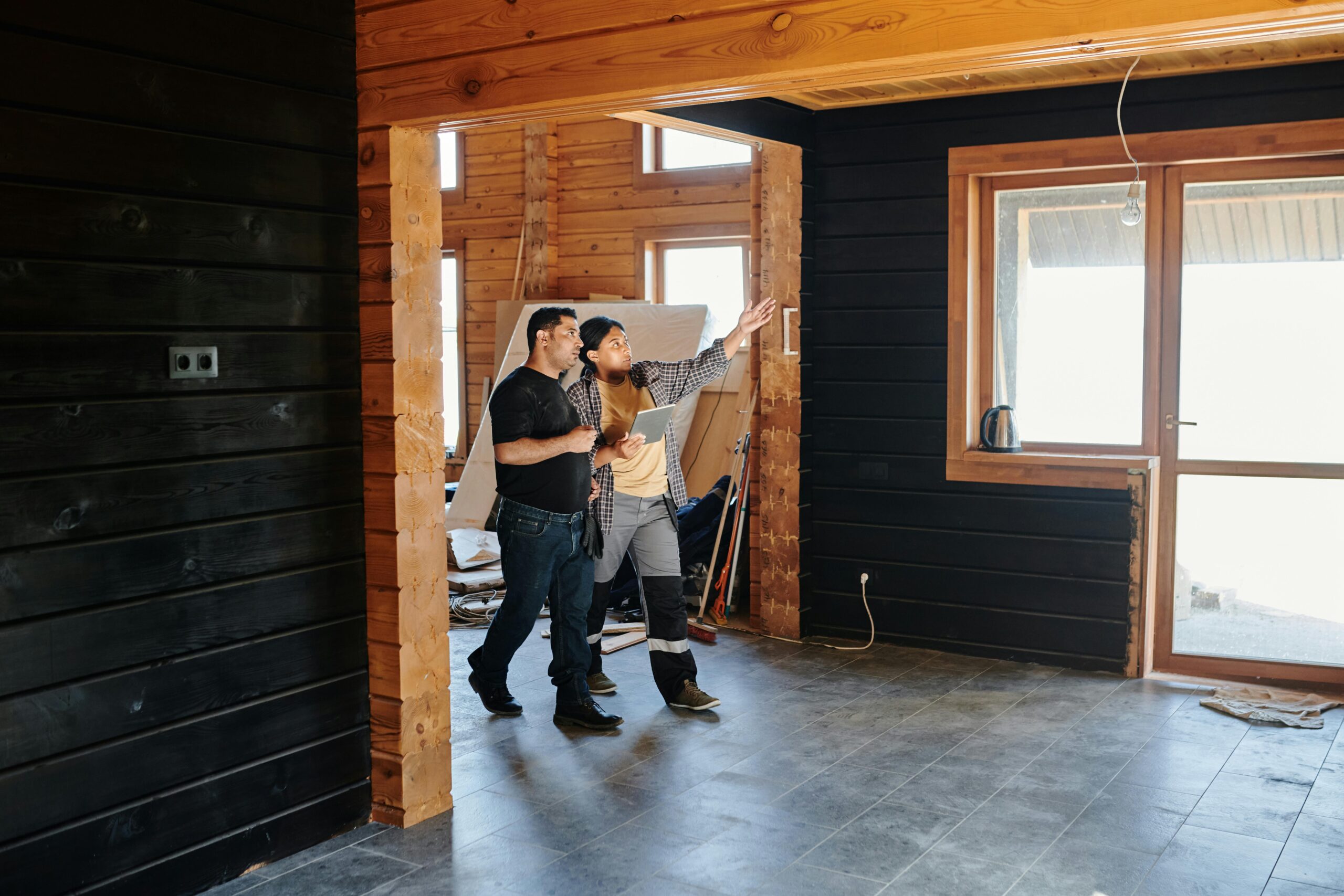
A qualified contractor evaluates your basement in person, reviewing moisture levels, ceiling height, structural elements, and existing utilities.
3. Design & Scope Definition
Detailed plans are developed outlining layout, materials, systems, timeline, and project scope with clear cost expectations.
4. Contractor Matching
We connect you with licensed, insured basement contractors experienced with projects similar to yours so you can compare approaches and pricing.
5. Permits & Construction
Your contractor handles permits, inspections, scheduling, and construction while providing regular progress updates throughout the project.
6. Final Inspection & Walkthrough
All work is inspected for code compliance, followed by a final walkthrough to ensure everything meets expectations before project completion.
Basement Finishing in North End Boise — What Homeowners Should Know
Historic Character and Architectural Diversity
The North End represents one of Boise’s oldest and most architecturally significant neighborhoods, featuring homes dating from the 1890s through the 1940s. As Boise’s first suburban development and now listed entirely on the National Register of Historic Places, this area showcases remarkable variety—Victorian mansions along Harrison Boulevard, Craftsman bungalows on quiet side streets, Queen Anne homes with distinctive details, Colonial Revival designs, and charming cottage styles throughout. Many homes were built during the neighborhood’s peak development period between 1910 and 1940, when the North End transformed from farmland to Boise’s most desirable residential area. This rich architectural heritage means basement finishing projects often involve working with older construction methods, original foundations, and unique structural characteristics that require contractors familiar with historic homes and preservation considerations.
Basement Prevalence in North End Homes
Many North End homes include basements, though their size, configuration, and condition vary considerably based on construction era and original building methods. Homes from the early 1900s may feature partial basements with lower ceiling heights and stone or brick foundations, while homes from the 1920s-1940s more commonly have full basements with poured concrete or concrete block foundations. Some North End basements were finished decades ago and may benefit from updating to current standards, while others remain unfinished spaces ready for transformation. Unlike newer construction where basements follow standardized approaches, North End basements reflect the diverse building practices across multiple decades. This diversity means each property requires individual assessment to understand what’s feasible and appropriate for that specific home’s structure, foundation type, and historical character.
Historic Preservation and City Permitting
Basement finishing projects in the North End require permits through the City of Boise Planning and Development Services. Additionally, properties within the North End Historic District may be subject to Historic Preservation Commission review for certain exterior modifications, though purely interior basement finishing typically falls outside this requirement. However, if your project includes adding egress windows visible from the street, enlarging basement window openings, or any exterior changes, historic district guidelines may apply. The city follows International Building and Residential Codes with local amendments, and basement projects must meet current standards for egress, ventilation, ceiling height, and safety. Basement bedrooms require egress windows meeting specific size and accessibility requirements for emergency escape. Contractors experienced in the North End understand both standard permitting and how historic district considerations may influence project planning, helping you navigate requirements appropriately for your specific property and location within the neighborhood.
Climate Considerations for Older Basements
North End basements, particularly in homes built before modern moisture management practices, may have unique climate-related considerations. The high desert climate brings hot, dry summers and cold winters with moderate precipitation, creating specific conditions for basement spaces. Older basements may have had moisture intrusion issues at some point, which contractors assess and address before finishing. Even in Boise’s dry climate, proper drainage around foundations matters for directing occasional rain and snowmelt away from older foundation walls. Many North End homes sit on properties with mature trees and established landscaping that can affect drainage patterns. Basements naturally maintain more stable temperatures year-round, but HVAC planning remains essential—extending heating and cooling into finished basements ensures comfort while managing energy efficiency. Contractors experienced with historic homes understand how to assess older basements for moisture history, proper ventilation needs, and appropriate finishing approaches that respect the home’s age and construction methods.
Foundation and Structural Considerations
North End basements feature various foundation types depending on construction era. Early homes may have stone or brick foundations, while later construction typically used poured concrete or concrete block. Ceiling heights vary—some older basements have lower ceilings that influence finishing options, while others offer full height conducive to comfortable living space. Structural elements like support posts, beams, and utility infrastructure require thoughtful integration into finished designs. Some North End basements contain original mechanical systems, old coal chutes now repurposed, or other historic elements that contractors work around or incorporate creatively. Experienced contractors assess each basement’s structural integrity, foundation condition, and any settling or movement that’s occurred over decades before recommending finishing approaches. This upfront evaluation ensures your finishing project builds on a solid foundation and addresses any concerns before investing in improvements.
Living in Boise’s Most Walkable Neighborhood
The North End’s appeal extends beyond architectural character to its exceptional walkability and community spirit. Positioned between downtown Boise and the foothills, residents enjoy easy access to Hyde Park’s shops and restaurants, Camel’s Back Park’s 63 acres of trails, Harrison Boulevard’s tree-lined streets, and downtown amenities just minutes away. The neighborhood hosts the annual Hyde Park Street Fair each September, drawing over 40,000 people to this beloved community celebration. Strong neighborhood associations, highly-rated schools including Longfellow Elementary, and an engaged community create the tight-knit atmosphere North Enders cherish. This lifestyle context matters for basement finishing—many homeowners add space to accommodate growing families who want to stay in the neighborhood, create home offices for professionals who appreciate the walkable location, or develop guest suites for visiting family who love experiencing this unique part of Boise.
Basement Finishing Costs in North End Boise
Typical Project Cost Ranges
Basement finishing costs in the North End reflect both broader Boise pricing and the unique considerations of working with historic homes. Here are realistic ranges for common basement finishing scenarios:
| Project Type | Square Footage | Typical Cost Range |
|---|---|---|
| Basic Rec Room | 400-600 sq ft | $16,000-$35,000 |
| Family Room + Bathroom | 600-800 sq ft | $28,000-$55,000 |
| Guest Suite with Bedroom & Bath | 500-700 sq ft | $22,000-$50,000 |
| Home Office + Flex Space | 400-600 sq ft | $18,000-$38,000 |
| Complete Basement (2 Bedrooms, Bath, Living) | 1,000-1,200 sq ft | $40,000-$85,000 |
| Luxury Finish with Premium Features | 800-1,000 sq ft | $45,000-$90,000 |
These ranges typically include framing, insulation, drywall, flooring, electrical, basic lighting, and painting. Additional features like bathrooms, built-ins, or premium finishes increase costs accordingly. Historic home considerations may add to budgets depending on specific conditions.
Key Factors That Influence Pricing
Several elements significantly impact basement finishing costs in North End homes. Existing basement conditions matter most—dry basements with solid foundations and adequate ceiling height cost less to finish than those requiring foundation work, moisture remediation, or creative solutions for lower ceilings. The age and condition of your home’s systems influence costs; older electrical panels may need upgrading to support additional circuits, vintage plumbing may require updating, and HVAC systems vary in their ability to extend into basements efficiently. Egress window requirements create significant cost variations—installing code-compliant egress windows in older foundation walls typically involves cutting through concrete or stone, excavating window wells, and ensuring proper drainage, which can cost several thousand dollars per window. Ceiling height limitations in some older basements may require choosing between lowered finished ceilings or creative design approaches. Interior finish selections range from basic materials to premium options, significantly affecting final costs.
North End-Specific Cost Considerations
Working with historic North End homes presents unique cost factors. Foundation work in older homes may reveal unexpected conditions—from settlement cracks requiring repair to moisture management needs that weren’t apparent initially. These aren’t failures but rather normal discoveries when working with homes approaching or exceeding 100 years old. Historic district properties requiring exterior modifications visible from the street may need Historic Preservation Commission approval, adding time and potential design considerations. Matching historic character in visible areas—like basement entries or exterior window wells—may require specific materials or approaches that cost more than standard solutions. Access can be challenging in the North End’s established neighborhoods with mature trees, tight street configurations, and limited parking, potentially affecting material delivery logistics. However, contractors familiar with the North End work regularly under these conditions and plan accordingly. The neighborhood’s desirability also means quality basement finishing adds significant value to already-valuable historic properties.
Understanding Comprehensive Estimates for Historic Homes
Quality contractors provide detailed estimates that transparently break down costs specific to your North End home: structural assessment findings, any foundation or moisture work needed before finishing, materials, labor, permits, egress window installation if required, HVAC solutions appropriate for your home’s age and systems, and reasonable contingencies for the unexpected discoveries that can occur in older homes. This transparency helps you understand exactly where your investment goes and make informed decisions about priorities. Reputable contractors also discuss historic home considerations during consultations—whether foundation conditions, system upgrade needs, ceiling height limitations, or approaches that respect your home’s architectural character while creating functional modern living space. This upfront honesty establishes realistic expectations and prevents unwelcome surprises in homes where age brings both character and occasional challenges.
What Makes Our Contractor Network Different
Experience with Historic North End Homes
Contractors in our network have extensive experience working with the North End’s diverse historic housing stock. They understand the construction methods used across different eras, from early 1900s stone foundations to 1930s concrete basements. They’re familiar with the common conditions found in older basements—lower ceiling heights in some properties, unique structural configurations, vintage mechanical systems, and the occasional quirks that come with homes approaching their century mark. They know how to assess foundation integrity in older homes, identify when moisture management improvements are needed, and design finishing approaches that work with each home’s specific characteristics. This historic home expertise ensures your basement finishing project respects your home’s age and character while creating comfortable, code-compliant modern living space.
Understanding City and Historic District Requirements
Our contractors work regularly with the City of Boise Planning and Development Services and understand permitting requirements for basement finishing projects. They know when Historic Preservation Commission review may be needed—typically for exterior modifications visible from the street—and when projects proceed through standard building permits alone. They’re familiar with egress window requirements, ceiling height standards, and ventilation codes that apply to basement living spaces. They understand how to navigate the permitting process efficiently while ensuring your project meets all applicable standards. For homeowners, this expertise means clear guidance on what approvals are needed, realistic timelines for permitting, and confidence that work will satisfy both building codes and any historic preservation considerations that may apply to your specific property.
Thoughtful Integration with Neighborhood Character
Our contractors appreciate the North End’s unique community character and the values that make this neighborhood special. They understand that North End residents chose this area for its walkability, historic charm, strong community bonds, and proximity to both downtown and the foothills. They approach basement finishing projects with sensitivity to how additions fit within the neighborhood’s established character. They respect neighbors and the close-knit community dynamics, manage construction activities considerately, and understand that their work contributes to preserving and enhancing one of Boise’s most beloved historic neighborhoods. This community-oriented approach translates into professional service that recognizes your project affects not just your home but your connection to this special neighborhood.
Climate and Age-Appropriate Finishing Practices
Our contractors understand how to finish basements appropriately for both Boise’s high desert climate and the realities of working with older homes. They know proper moisture assessment and management for basements in homes built before modern waterproofing practices. They understand insulation strategies that work with older foundation walls, ventilation approaches that prevent moisture accumulation while maintaining air quality, and HVAC solutions that extend comfort into basements without overtaxing older systems or requiring excessive upgrades. They’re experienced with the temperature stability basements offer naturally and how to enhance that through appropriate finishing methods. This dual expertise in climate and historic homes ensures your finished basement performs well year-round while respecting your home’s age and construction methods.
Local Presence and Neighborhood Accountability
Working with contractors who serve the North End regularly means they’re invested in their reputation in this close-knit community. Many have completed multiple projects throughout the neighborhood’s various areas—near Hyde Park, along Harrison Boulevard, in the streets surrounding Camel’s Back Park, and throughout the North End’s diverse blocks. This creates accountability through local visibility and the word-of-mouth referrals that drive business in a community where neighbors know each other. If questions arise after project completion or adjustments are needed, contractors with established North End presence remain accessible and responsive. You’re working with professionals who view your satisfaction as essential to their continued success in one of Boise’s most discerning and connected neighborhoods.
Licensed & Insured Contractors Only
Every contractor in our network maintains active Idaho contractor licensing and carries comprehensive general liability and workers’ compensation insurance. We verify this documentation before making any referrals, protecting homeowners from potential liability concerns or unlicensed work. This vetting process means you can proceed confidently, knowing you’re working with legitimate professionals who meet state and industry standards. Quality contractors view proper licensing and insurance not as bureaucratic obligations but as fundamental aspects of running a responsible business that protects both their team and your investment in your historic home.
Start Your Basement Finishing in North End Boise Today!
Let’s chat about your ideas! Getting started is easy – simply reach out with details about your basement remodeling project, and we’ll connect you with qualified, licensed contractors in the area.
REAL STORIES FROM SATISFIED CUSTOMERS


Need Help?
Frequently Asked Questions About Basement Finishing in North End Boise
Below are some of the most common questions Our Network get from families about Basement Remodeling. If you have any other questions contact us!
Do I need a permit to finish my basement?
Yes, basement finishing requires building permits in Boise. The City requires permits for structural framing, electrical work, plumbing installations, and mechanical systems. Any bedroom space created in a basement also requires egress windows that meet specific safety codes. Contact Boise Planning and Development Services at (208) 608-7070 for project-specific guidance.
How long does a typical basement finishing project take?
Most basement finishing projects take 6-12 weeks from permit approval to final inspection, depending on the scope. Simple open-space finishes move faster than projects with bathrooms and multiple rooms. Winter weather rarely affects basement work since it’s interior construction, though permit processing times vary throughout the year. Your contractor can provide a more specific timeline based on your project details.
What's the most important thing to address before finishing a basement?
Moisture control should be evaluated first. While Boise’s dry climate means less moisture risk than humid regions, water intrusion during spring snowmelt or heavy rains can damage finished spaces. Have contractors assess your foundation for any water issues and address them before finishing work begins. Proper drainage, waterproofing, and vapor barriers protect your investment long-term.
Can I add a bedroom in my basement?
Yes, but bedrooms require emergency egress windows that meet minimum size requirements. The window must provide adequate openable area and proper sill height from the floor. Window wells need appropriate dimensions and may require ladders or steps. Smoke and carbon monoxide detectors are also required. A licensed contractor familiar with Boise code requirements can design compliant bedroom spaces in your basement.
Talk to a Basement Finishing Contractor in North End Boise Today
Whether you’re near Hyde Park’s vibrant shops and cafes, along Harrison Boulevard’s famous tree-lined blocks, in the streets surrounding Camel’s Back Park, near Longfellow Elementary, or anywhere throughout the North End’s diverse historic blocks, we connect you with contractors who know this special neighborhood. They understand the unique considerations of finishing basements in the North End—from working with historic construction to navigating preservation considerations to appreciating the community values and walkable lifestyle that make the North End one of Boise’s most treasured neighborhoods.