
Professional Patio Installers Garden City, ID
Looking for patio installation in Garden City, ID? Your dream patio is waiting. Let's make it happen. Because every family deserves a backyard they actually want to use — and every hardworking contractor deserves to be found.
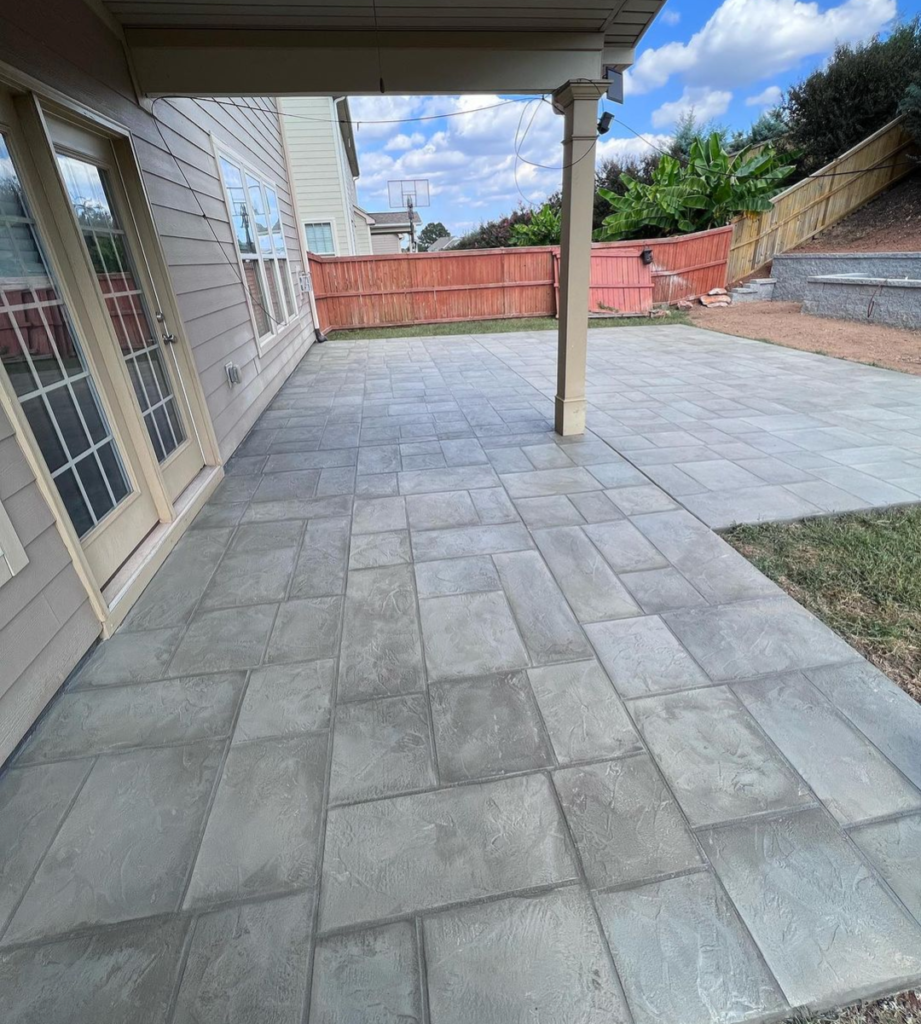
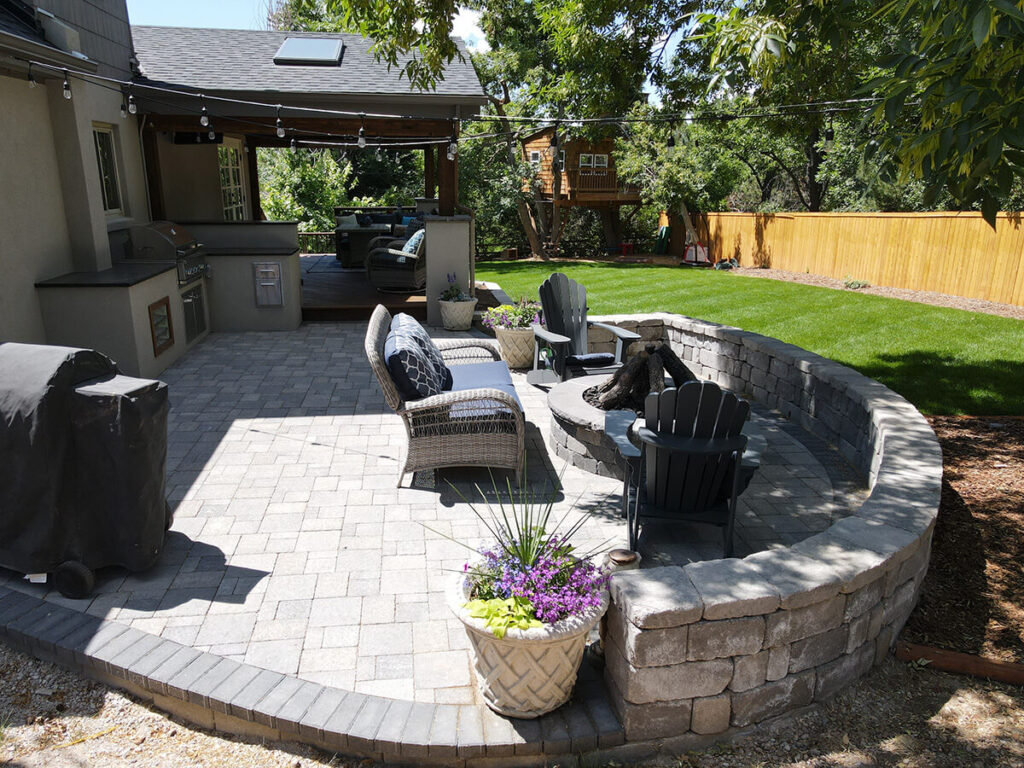
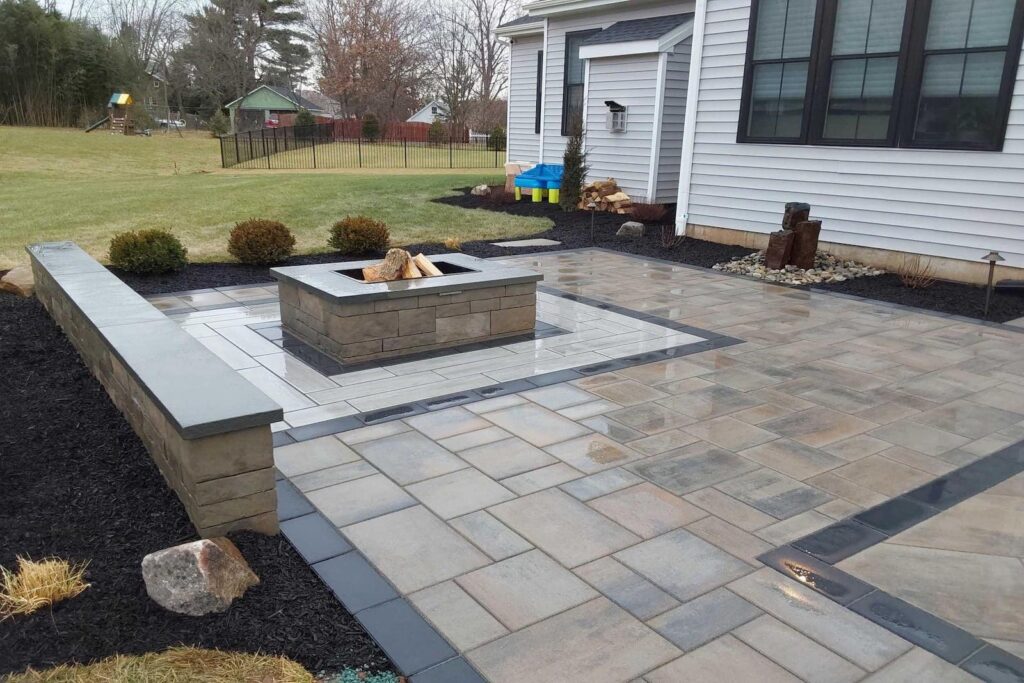
Popular Patio Installation Services in Garden City
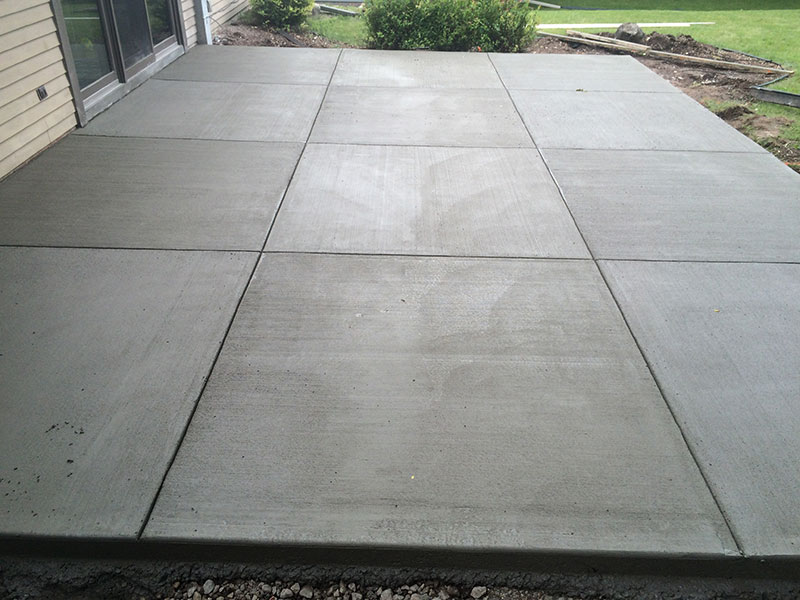
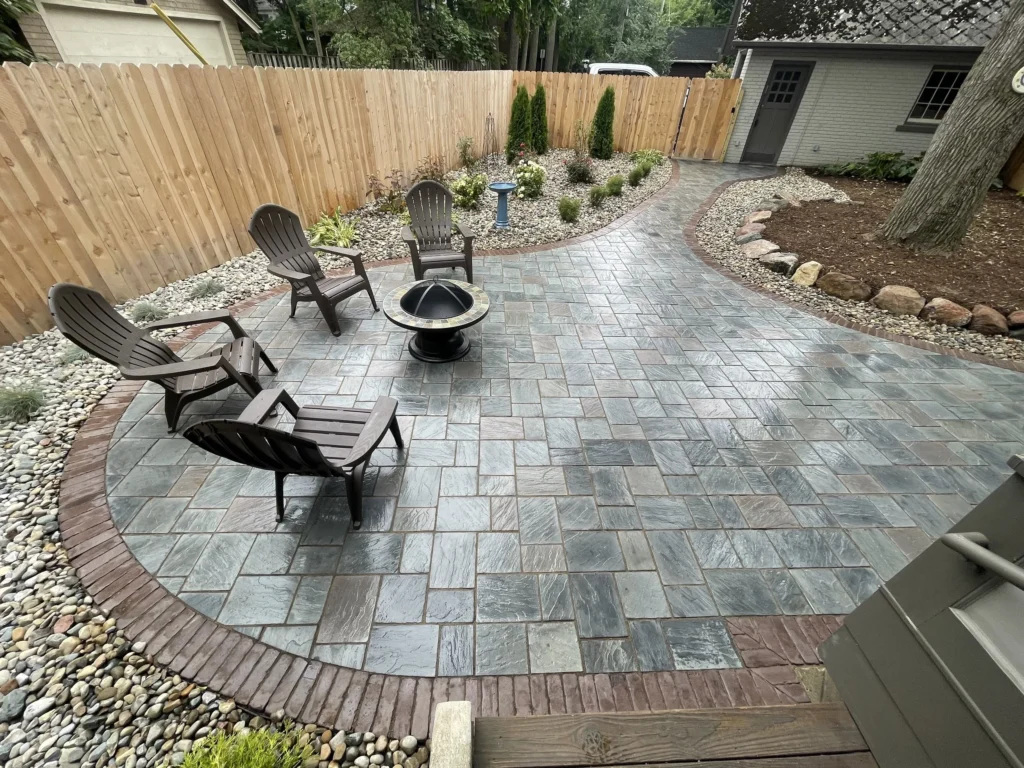
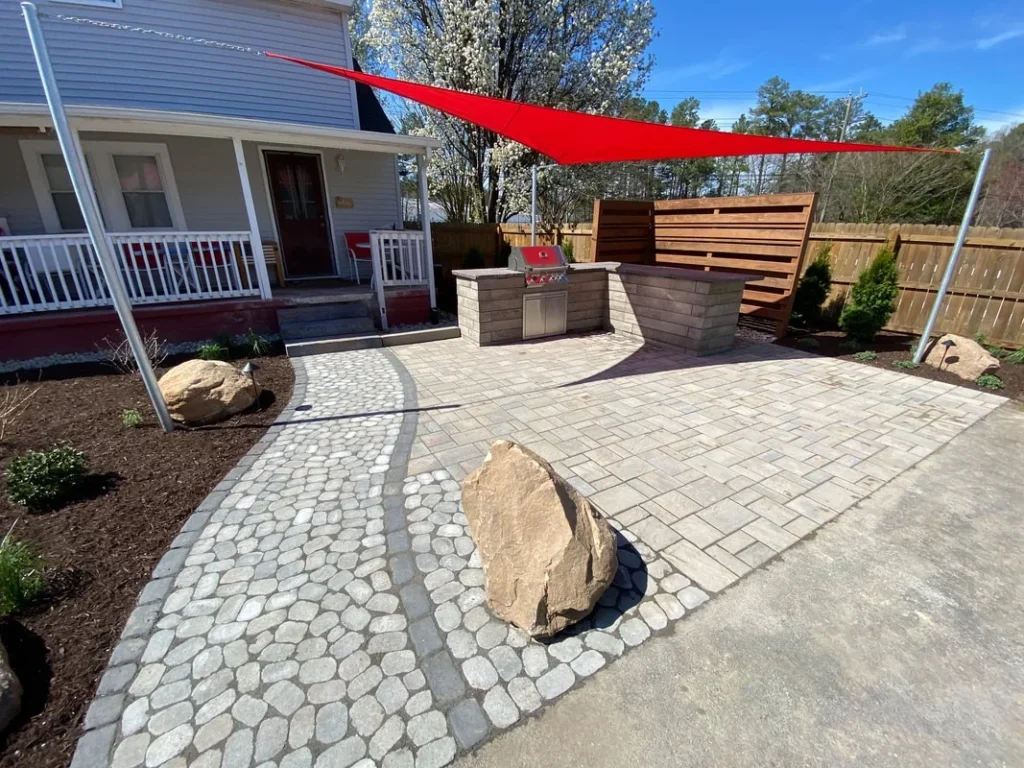
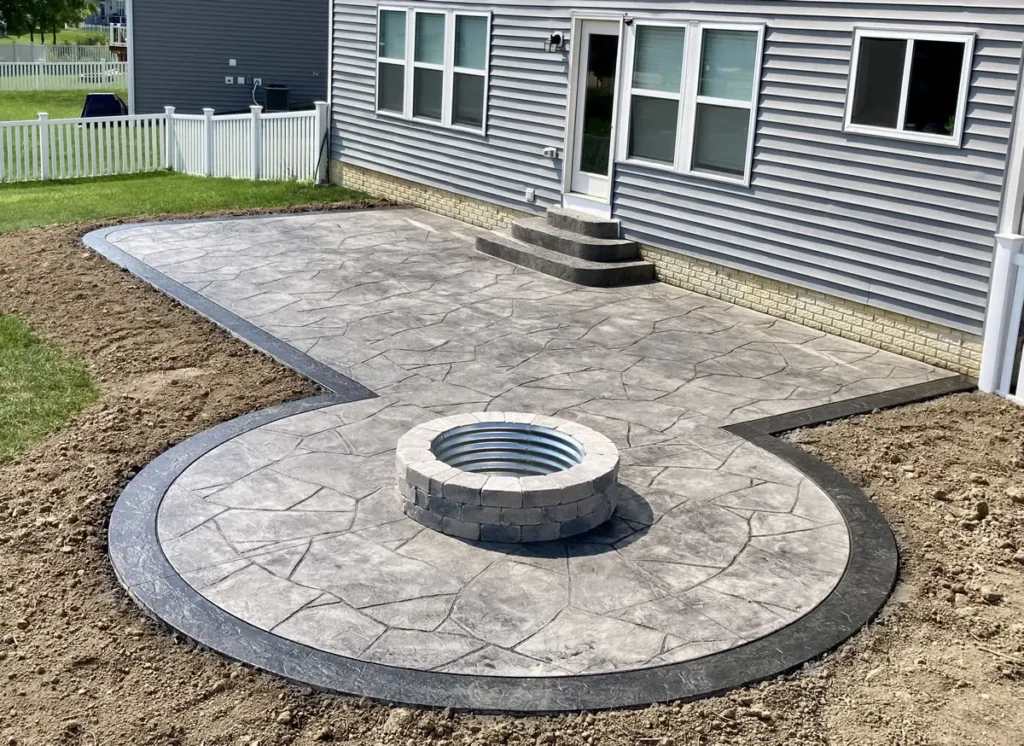
Our Patio Installation Process
1. Initial Consultation & Goals
We discuss your outdoor space goals, preferred materials, budget parameters, and how you plan to use the patio.
2. Site Evaluation
Installers evaluate your yard including soil conditions, drainage patterns, sun exposure, access for equipment, and existing landscaping.
3. Design & Scope Definition
Installers create patio design showing dimensions, material specifications, drainage plan, and integration with existing landscape features.
4. Contractor Matching
We connect you with experienced, insured patio installers. You receive multiple detailed quotes comparing materials, approaches, and pricing.
5. Permits & Construction
If required, installers obtain permits and utility clearances. They schedule work and order materials.
6. Final Inspection & Walkthrough
Installers review completed work, demonstrate proper care and maintenance, and address any questions. You receive guidance on sealing schedules and long-term care.
Patio Installation in Garden City — What Homeowners Should Know
From Industrial Roots to Arts and Craft Brew Hub
Garden City’s residential character reflects its evolution from mid-20th century working-class community to contemporary arts and cultural destination. The median construction year is 1994, with housing stock spanning from post-war homes built in the 1950s–1970s to contemporary infill development from the 2000s onward. The Surel Mitchell Live-Work-Create District showcases adaptive reuse of older industrial buildings converted to artist studios and live-work spaces. Most residential properties sit on compact urban lots, with the city covering just over 4 square miles almost entirely surrounded by Boise. The proximity to the Boise River and Greenbelt influences development patterns, with many properties offering river access or views.
Flood Plain and Riverfront Considerations
Garden City’s location along the Boise River means many properties fall within designated flood hazard areas, which significantly affects construction requirements. Properties in flood zones require additional engineering documentation, elevation certificates, and compliance with flood-resistant construction standards. Building in or near flood plains may require structures to be elevated above base flood elevation levels. The city has specific ordinances governing flood hazard development that contractors must navigate during the permitting process. These requirements affect foundation design, material selection, and overall project costs for properties near the river.
City of Garden City Building Permits
Patio construction requires permits through the City of Garden City Development Services Department. The city contracts with both SAFEbuilt and Idaho Division of Occupational & Professional Licenses (IDOPL) for plan review and inspection services. Building permits typically take 10-15 working days for initial review, with resubmittals extending this timeframe. The city uses online tracking systems, with different platforms depending on which contractor handles the review—SharePoint for SAFEbuilt projects and ProjectDox for IDOPL reviews. Contractors familiar with Garden City’s dual review system and flood plain requirements help projects move efficiently through approval.
Semi-Arid Climate Along the Boise River
Garden City experiences a semi-arid climate with hot summers reaching into the low to mid-90s°F and cold winters with temperatures dropping into the 20s°F. The city receives approximately 12 inches of precipitation annually, with most falling outside the primary construction season. The Boise River creates microclimates in riverfront areas that can affect humidity and temperature patterns. This climate range requires proper material selection and installation techniques to handle freeze-thaw cycles and thermal expansion. Optimal patio installation typically occurs between April and October when ground conditions are favorable and weather is predictable.
Urban Lot Constraints and Access Challenges
Garden City’s compact urban development means many properties have limited side yard access, requiring creative solutions for equipment access and material delivery. Narrow lots and established landscaping often necessitate manual excavation or specialized equipment. Proximity to neighboring properties requires careful attention to setbacks, drainage impacts, and construction noise considerations. Many older properties have aging infrastructure including irrigation systems, utilities, and drainage that may need modification during patio installation. The city’s density also means coordinating with neighboring properties during construction becomes more important than in suburban settings.
Patio Installation Costs in Garden City
Typical Project Cost Ranges
| Patio Type | Cost Range |
|---|---|
| Basic concrete slab (12×14 ft) | $2,800–$5,600 |
| Stamped/colored concrete (12×14 ft) | $4,300–$8,200 |
| Paver patio (12×14 ft) | $5,300–$10,200 |
| Natural stone patio (12×14 ft) | $7,800–$14,500 |
| Multi-level or custom design | $10,500–$27,000+ |
Ranges reflect typical Garden City projects and vary based on site conditions, materials, and flood plain requirements.
Key Factors That Influence Pricing
Site conditions create significant cost variations in Garden City patio projects. Properties in flood zones require engineering documentation, elevation certificates, and potentially elevated construction methods that substantially increase costs. Limited access on compact urban lots may require manual excavation or specialized equipment, increasing labor expenses. Older properties often need sprinkler system modifications, utility relocation, or drainage improvements. Material selection ranges widely, with basic concrete being most economical and premium natural stone commanding top pricing. Custom features like integrated lighting, built-in seating, or fire pits add both material and labor costs.
Garden City-Specific Cost Considerations
Riverfront properties face the highest complexity and cost due to flood plain requirements and potential seasonal water table changes. Properties near the Boise River Greenbelt may need to coordinate with city parks department regarding setbacks and drainage. Homes in the Surel Mitchell District or older neighborhoods may have unique site constraints from irregular lot shapes, mature trees, or aging infrastructure. Access limitations common throughout the city can add 15-25% to labor costs if equipment must be brought through homes or work done manually. Permit costs may be higher for properties in flood zones due to additional engineering and review requirements.
Clear, Itemized Estimates From Local Contractors
Quality Garden City contractors provide detailed proposals that separate excavation, base preparation, materials, installation labor, permit fees, flood plain engineering costs (if applicable), and utility modifications into individual line items. This transparency helps homeowners understand the full scope of costs, particularly for flood zone properties where requirements can significantly impact budgets. Comprehensive estimates should outline payment schedules, realistic timelines accounting for permit review periods, and warranty coverage for materials and workmanship.
What Makes Our Contractor Network Different
Experience With Garden City’s Unique Permitting Requirements
Contractors in our network regularly work with Garden City’s Development Services Department and understand the dual review system using both SAFEbuilt and IDOPL. They know which projects route to which reviewer and how to navigate the different tracking platforms. More importantly, they have extensive experience with flood plain requirements and can guide homeowners through elevation certificates, engineering documentation, and flood-resistant construction standards when applicable.
Understanding of Riverfront and Urban Site Challenges
Our network contractors understand the specific challenges of working in Garden City’s compact urban environment and near the Boise River. They know how to address limited access, coordinate with neighboring properties, and design drainage solutions that account for river proximity and flood plain considerations. This experience prevents costly surprises when unique site conditions emerge during construction.
Knowledge of Garden City’s Evolving Character
Whether your property is in the Surel Mitchell Live-Work-Create District, a riverfront location near the Greenbelt, an established mid-century neighborhood, or a newer infill development, our contractors understand Garden City’s diverse residential fabric. They design patios that complement existing architecture while respecting the city’s artistic, eclectic character and compact urban scale.
Established Treasure Valley Supplier Relationships
Local contractors maintain working relationships with material suppliers throughout the Treasure Valley and can secure quality materials suited to both Idaho’s climate and Garden City’s aesthetic diversity. They know which suppliers stock flood-resistant materials when required and can coordinate delivery to challenging urban sites. These relationships also provide access to technical consultation on material performance in flood-prone areas.
Long-Term Accountability in a Close-Knit Community
Garden City’s small size and tight-knit character mean contractor reputations matter significantly. Our network contractors live and work in the Treasure Valley and maintain their businesses through community trust and word-of-mouth referrals. They’re available after project completion to address questions or warranty issues because their success depends on local relationships and accountability.
Licensed & Insured Contractors Only
Every contractor in our network maintains active Idaho contractor licensing and carries both general liability and workers’ compensation insurance. We verify these credentials before making referrals, ensuring homeowners work with professionals who meet Idaho’s legal requirements for residential construction. This vetting process reduces risk and provides peace of mind throughout your project.
Let's Start Your Patio Installation in Garden City!
Imagine having your own outdoor room where you can eat dinner under the stars, host BBQs with friends, or just relax with morning coffee. We connect families with honest, skilled patio contractors who make that dream real.
Need Help?
Frequently Asked Questions About Patio Installation in Garden City
Below are some of the most common questions Our Network get from families about Patio remodel. If you have any other questions contact us!
How long does patio installation take?
Installation timelines vary by material and size. Concrete patios take 2-3 days for pour and finish, plus 3-7 days curing before use. Paver patios take 3-5 days for standard sizes. Natural stone patios take 4-7 days depending on complexity. Large or complex projects take 1-2 weeks. Weather affects schedules—contractors won’t work in rain or freezing temperatures. Most projects from consultation to completion span 2-4 weeks including planning and permits.
What's the best patio material for Boise's climate?
All quality materials work well in Boise’s high-desert climate, each with advantages. Concrete offers best value ($6-$19/sq ft installed), lasts 30-50 years, and handles temperature extremes well. Stamped concrete provides high-end appearance at concrete prices. Pavers cost more ($12-$35/sq ft) but allow individual replacement and come in endless designs. Natural stone is premium choice ($20-$40+/sq ft), stays coolest in summer, and lasts 50-100+ years. Your choice depends on budget, aesthetic preferences, and maintenance willingness. All perform excellently when properly installed!
What's the difference between stamped concrete and pavers?
Both create beautiful patios with distinct differences. Stamped concrete ($9.60-$19/sq ft) looks like stone/brick at lower cost, requires minimal maintenance (just sealing), installs quickly (2-3 days), but can’t easily repair individual sections—cracks require professional repair. Pavers ($12-$35/sq ft) cost more initially, allow easy individual replacement, offer truly authentic texture, and come in endless patterns, but require joint re-sanding every few years and can shift if edge restraints fail. For Boise, stamped concrete offers best value, while pavers provide maximum flexibility and authentic appearance.
How thick should my patio be?
Concrete patios: Minimum 4 inches thick for residential use, 6 inches for areas with vehicles or heavy features. Thicker is better—5-6 inches provides extra durability. Paver base: Excavate 6-8 inches, fill with 4-6 inches compacted gravel, then 1-2 inches sand leveling layer, plus paver thickness (typically 2-3 inches). Natural stone: Similar to pavers—proper base depth critical for stability. Don’t skimp on thickness or base depth—thin patios crack and fail prematurely. Professional installers specify proper thickness for your specific use and conditions.
Talk to a Patio Installer in Garden City
Whether you’re near the Boise River and Greenbelt, in the Surel Mitchell arts district, along Chinden Boulevard, or in one of Garden City’s established neighborhoods, connecting with the right patio contractor ensures your outdoor space works within the city’s unique constraints and character. Our referral process is straightforward and pressure-free—we match you with qualified local professionals who understand Garden City’s requirements and can deliver quality outdoor living spaces.