
Professional Outdoor Living Contractors in North End Boise, ID
Looking for Outdoor Living Contractor in North End Boise, ID? We connect homeowners with licensed, insured hardscaping contractors who create stunning patios, walkways, retaining walls, and outdoor living areas.
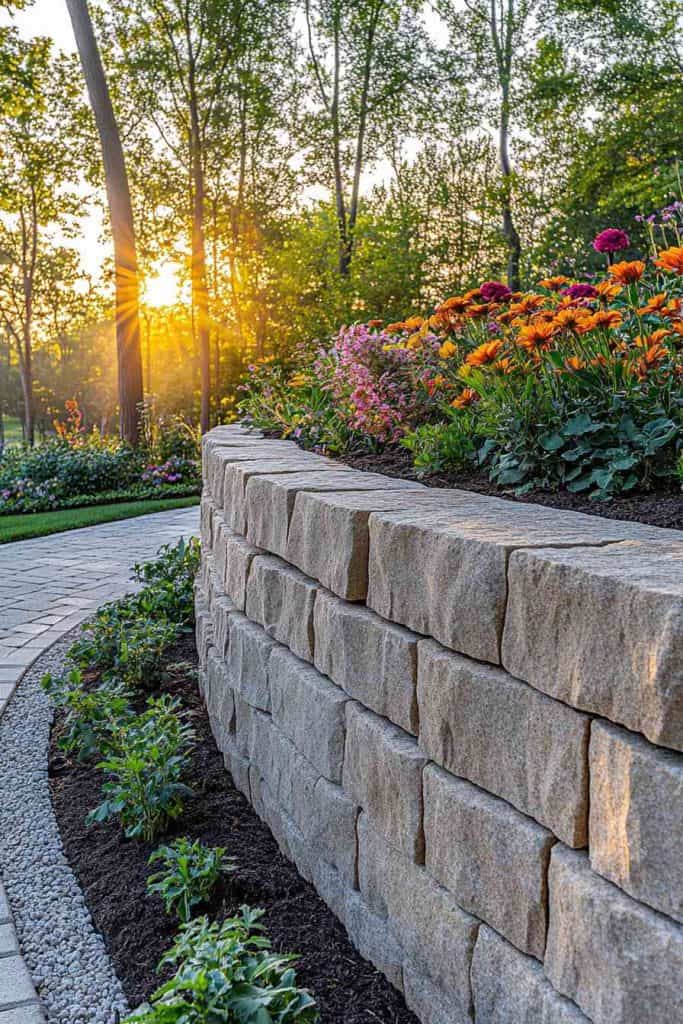
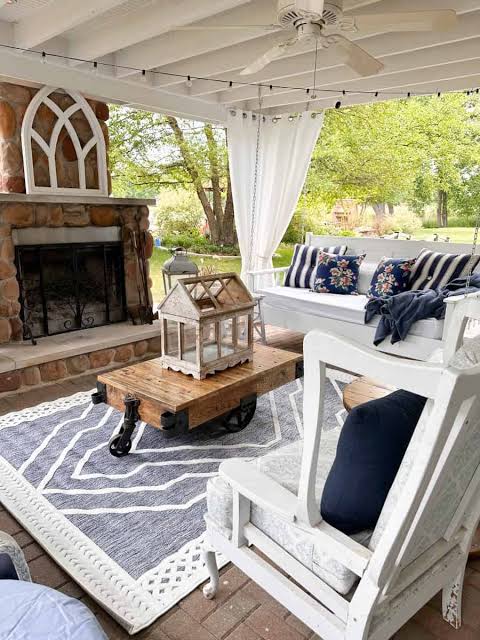
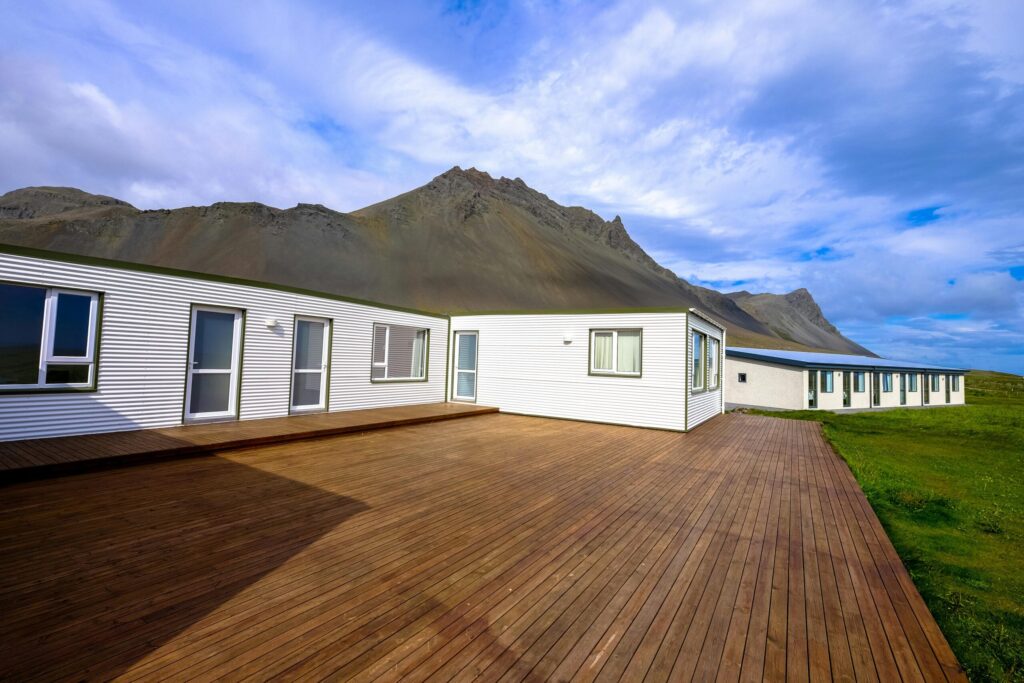
Popular Outdoor Living Services in North End Boise
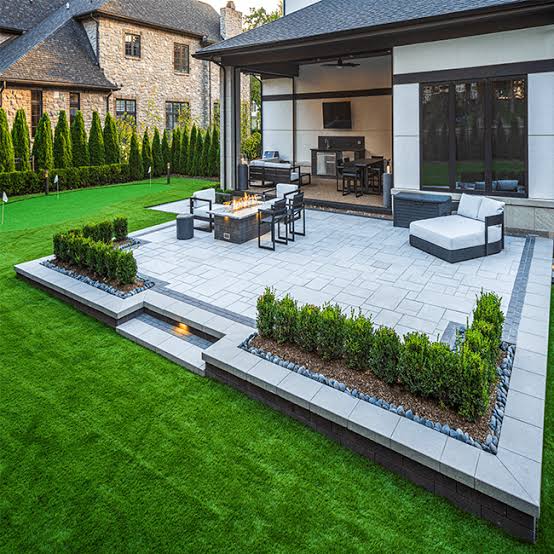
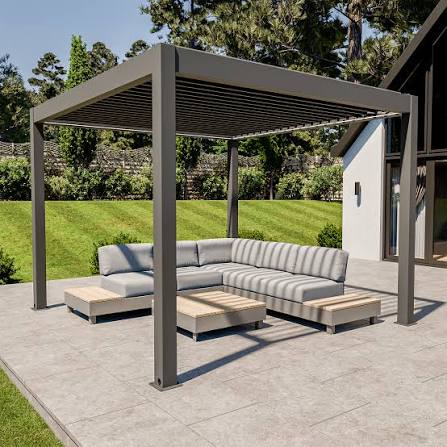
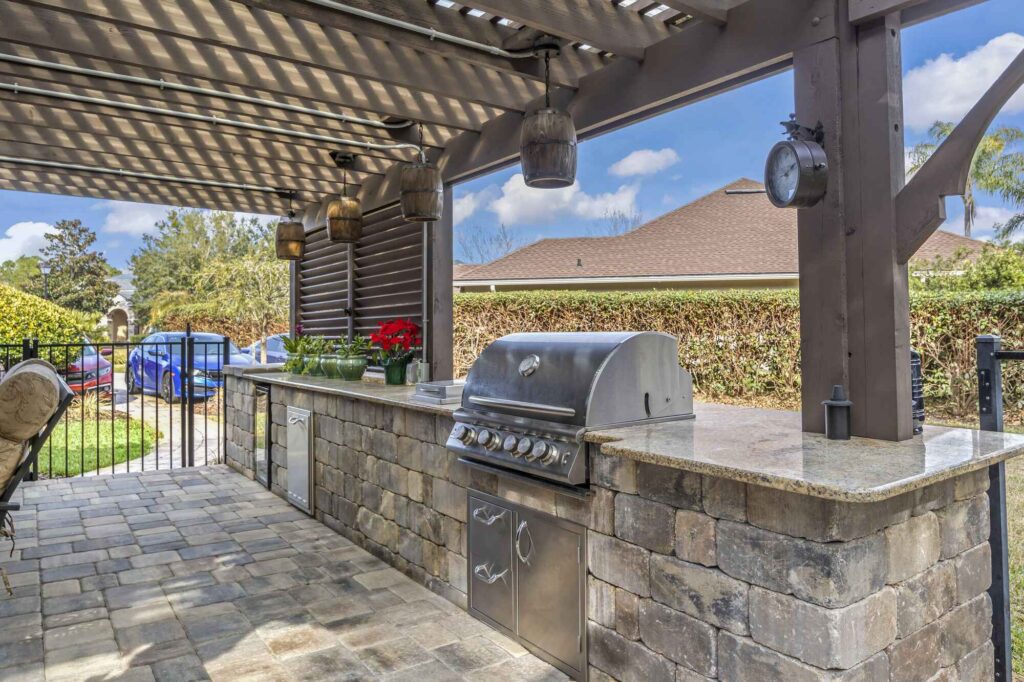
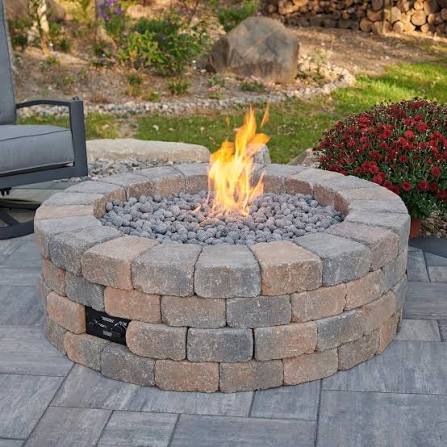
Our Outdoor Living Project Process
1. Initial Consultation & Goals
We discuss how you plan to use your outdoor space, your property's characteristics, budget parameters, and any specific features you're considering.
2. Site Evaluation
Contractors assess your property including sun exposure, wind patterns, views, existing utilities, drainage, soil conditions, and access for construction.
3. Design & Scope Definition
Contractors create plans showing layout, materials, structural details, and integration with your home and landscaping. Designs consider Reno's climate and your usage needs.
4. Contractor Matching
We connect you with licensed, insured contractors experienced with outdoor living projects similar to yours. You review multiple proposals comparing approaches and pricing.
5. Permits & Construction
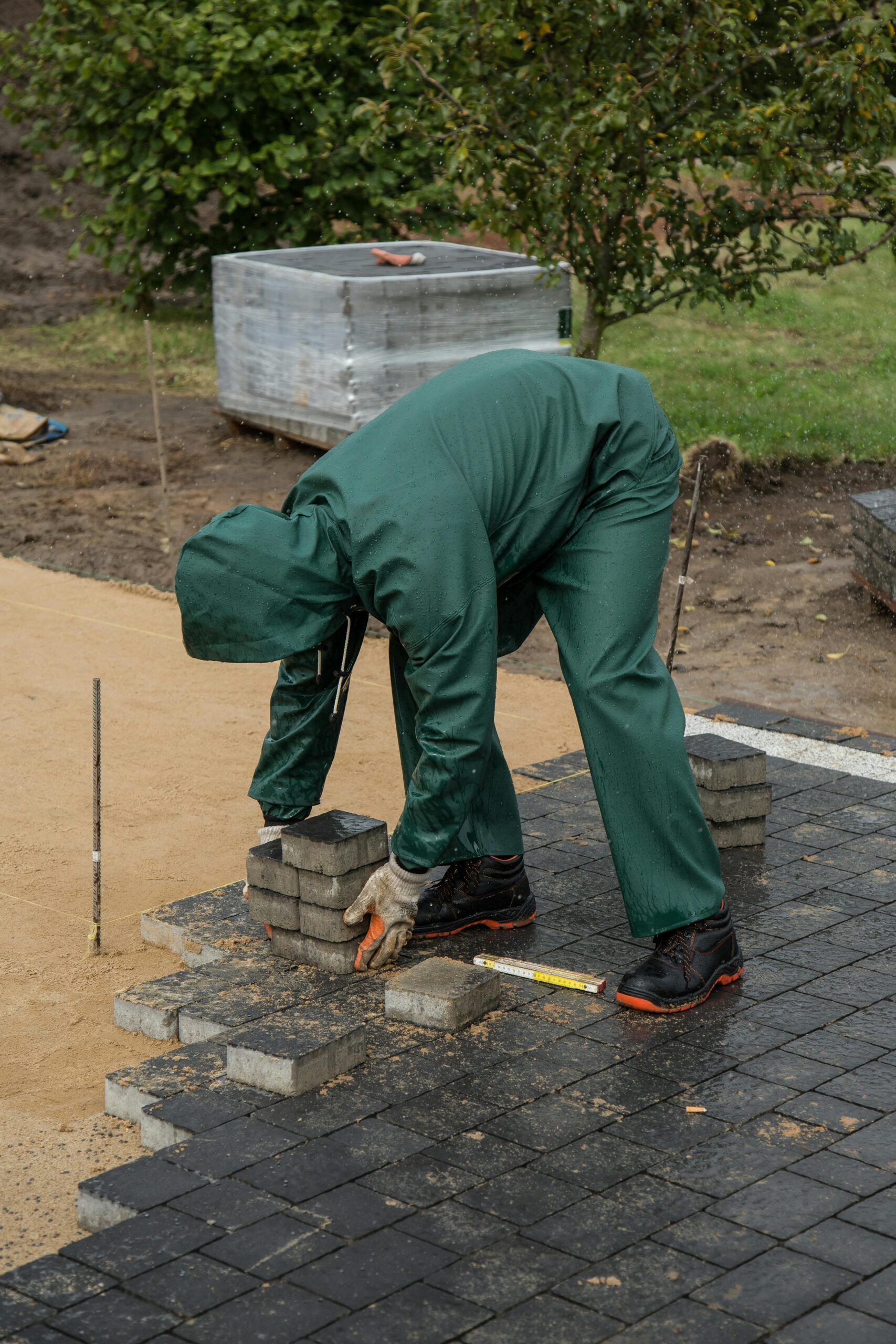
Work includes grading and drainage, foundation or base preparation, utility installations, structure construction, finishing details, and lighting installation. Timeline varies from 2-8 weeks depending on project scope.
6. Final Inspection & Walkthrough
All work undergoes required inspections. Your contractor demonstrates features, provides maintenance guidance, and ensures your satisfaction.
Outdoor Living in North End Boise — What Homeowners Should Know
Historic District Character and Property Layouts
The North End features homes built primarily between the 1890s and 1940s, showcasing diverse architectural styles including Queen Anne, Craftsman, Bungalow, Tudor Revival, and Colonial Revival designs. Original lot subdivisions typically measured 122 feet by 25 feet, with most homeowners combining two or three lots to create 50- to 75-foot frontages. This pattern creates varied lot sizes throughout the neighborhood, with generally larger parcels west of Harrison Boulevard and smaller lots concentrated around the 6th, 7th, and 8th Street areas. Most properties feature rear alley access, which provides valuable options for garage placement and backyard entry points that don’t disrupt the front streetscape.
Certificate of Appropriateness Requirements
Because the North End is a registered historic district, outdoor living projects face additional approval steps beyond standard building permits. Any exterior changes visible from the street—including deck construction, porch additions, pergolas, patio covers, and even fence installation or tree removal—require a Certificate of Appropriateness from the Historic Preservation Commission before work can begin. The commission meets monthly and reviews projects based on how well they preserve the neighborhood’s historic character and scale. This process typically adds several weeks to project timelines, so contractors experienced with historic district work can help design projects that meet these guidelines and move through approval efficiently.
Mature Landscaping and Tree Considerations
The North End’s tree canopy is one of its defining features, with mature deciduous trees lining most streets and backyards. These established trees create beautiful shade but also require careful planning for outdoor living projects. Root systems can affect foundation placement for decks and pergolas, and the Historic Preservation Commission closely reviews requests to remove or significantly trim protected trees. Contractors familiar with the neighborhood know how to design around existing mature landscaping, work within root zones safely, and suggest tree-compatible foundation approaches that preserve both your outdoor space vision and the neighborhood’s character.
Building Setbacks and Rear Alley Access
North End properties follow city setback requirements that affect where structures can be placed relative to property lines. The grid layout with rear alleys means many outdoor living projects can incorporate alley-accessible features like detached garages, workshop spaces, or covered outdoor kitchens positioned away from the main home. This configuration can actually enhance privacy and functionality, creating courtyard-style outdoor rooms that aren’t possible on properties without alley access. Working with contractors who regularly build in the North End ensures your project maximizes your specific lot layout and takes advantage of these unique site characteristics.
Climate and Seasonal Considerations
Boise’s climate brings hot, dry summers with temperatures regularly in the 90s and cold winters with occasional snow and freezing temperatures. This seasonal variation affects both material selection and construction timing for outdoor spaces. The tree canopy provides valuable shade during summer months, which influences placement decisions for patios and decks. Materials need to withstand both intense summer UV exposure and winter freeze-thaw cycles. Spring often brings higher moisture levels, while fall offers ideal construction conditions before winter weather arrives. Experienced local contractors understand these patterns and can recommend timing and material choices that work with Boise’s climate.
Outdoor Living Costs in North End Boise
Typical Project Cost Ranges
Understanding cost expectations helps with planning your historic district outdoor living project. These ranges reflect current conditions in the North End area:
| Project Type | Size Range | Typical Cost Range |
|---|---|---|
| Wood Deck (Historic-Compatible) | 200-300 sq ft | $8,000 – $15,000 |
| Composite/Low-Maintenance Deck | 200-300 sq ft | $12,000 – $20,000 |
| Brick or Stone Patio | 300-400 sq ft | $8,000 – $16,000 |
| Concrete Patio (Textured/Colored) | 300-400 sq ft | $6,000 – $12,000 |
| Wood Pergola (Period-Appropriate) | 10×12 to 12×16 | $4,500 – $10,000 |
| Covered Porch Addition | 200-300 sq ft | $15,000 – $30,000 |
| Screened Porch Conversion | Existing porch | $8,000 – $18,000 |
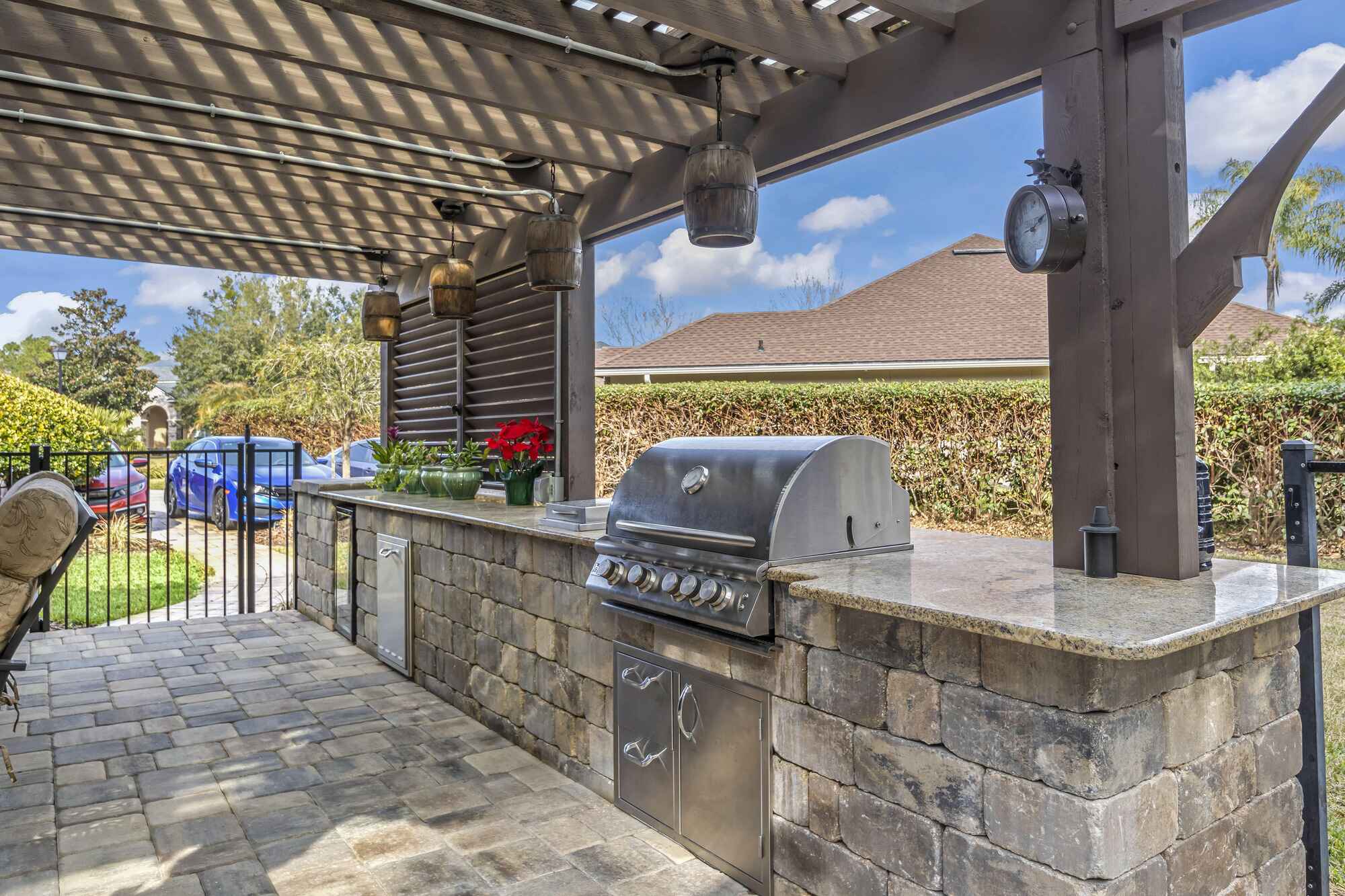
| Outdoor Kitchen (Built-In) | Island with grill | $10,000 – $22,000 |
| Historic-Style Fence | Per linear foot | $35 – $75 |
These ranges include materials, labor, permits, and Certificate of Appropriateness application fees. Historic district projects may involve additional design consultation to ensure HPC approval.
Key Factors That Influence Pricing
Several elements affect final costs for North End outdoor living projects. Material selection matters significantly—historically appropriate wood species and traditional construction methods may cost more than modern alternatives, though commissioners sometimes approve contemporary materials designed to match historic aesthetics. Site conditions play a major role; properties with mature tree root systems, limited alley access, or challenging topography require additional planning and careful execution. Design complexity increases costs, particularly for projects incorporating custom millwork, period-appropriate details, or integrated features like built-in seating and planters. Historic Preservation Commission review adds both time and potential design revision costs if initial plans need adjustment to meet approval guidelines.
North End-Specific Cost Considerations
Location within the North End affects project costs in several ways. Properties on narrower lots near Hyde Park often face access challenges that increase material delivery and equipment costs compared to homes with wider frontages or better alley access. Homes classified as “contributing structures” in the historic district typically require more detailed design work to ensure additions complement the original architecture. The neighborhood’s mature landscaping is valuable but can increase costs when projects need to work around established trees and root systems. Properties along Harrison Boulevard or other prominent streets may invest more in premium materials and finishes to match the area’s architectural significance.
The Importance of Transparent Estimates
Quality contractors provide itemized estimates separating design consultation, materials, labor, permit fees, and Historic Preservation Commission application costs. This breakdown helps you understand the full investment and makes it easier to adjust scope if needed. For historic district work, estimates should clearly identify which elements address HPC requirements versus standard building code compliance. Detailed estimates also establish expectations for project timeline, including the additional weeks needed for commission review and approval. When comparing bids, consider each contractor’s experience with historic district approvals—lower prices sometimes reflect unfamiliarity with the process, which can lead to delays and revision costs.
What Makes Our Contractor Network Different
Historic Preservation Commission Experience
Contractors in our network regularly work within the North End Historic District and understand the Certificate of Appropriateness process thoroughly. They know how to prepare applications that address commission concerns, present plans that respect neighborhood character, and design projects that meet approval guidelines on first submission. This experience prevents costly redesigns and timeline delays. These contractors maintain good relationships with Historic Preservation staff and understand what the commission looks for in deck designs, porch additions, pergola styles, and material choices for various architectural periods represented in the neighborhood.
Architectural Style Knowledge
The North End’s diversity of architectural styles—from Queen Anne mansions to Craftsman bungalows to Tudor Revival homes—requires contractors who can design outdoor spaces that complement each home’s unique character. Network contractors understand the design principles behind different historic styles and can suggest porch details, railing designs, and material choices that enhance rather than clash with your home’s existing architecture. They know when traditional wood construction is essential and when modern materials can be specified to achieve historically appropriate aesthetics while providing better durability.
Working Around Mature Landscapes
Building outdoor living spaces in the North End means working carefully around established trees, root systems, and existing landscaping that contributes to the neighborhood’s character. Contractors experienced in this environment know how to design deck foundations that avoid major root zones, plan patio layouts that preserve mature trees, and coordinate with arborists when necessary. They understand which construction techniques minimize impact on existing vegetation and can suggest design solutions that turn existing landscape features into assets rather than obstacles.
Small Lot and Alley Access Expertise
North End lot configurations—often narrow frontages with rear alley access—require specific expertise to maximize usable outdoor space. Network contractors understand how to design multi-level decks that create more functional area on smaller lots, position pergolas and covered structures to maximize privacy, and take advantage of alley access for material delivery and equipment placement without disrupting neighborhood streets. They know how to work efficiently in tight spaces where neighboring properties sit close together.
Local Supplier Relationships and Material Sourcing
Contractors working regularly in the North End maintain relationships with suppliers who stock materials appropriate for historic district work, from traditional lumber species to period-appropriate hardware and architectural details. These connections translate to better pricing, access to specialized materials, and faster delivery times for custom elements. Local contractors can also source salvaged or reproduction materials that match historic details when restoration or matching is required for commission approval.
Licensed & Insured Contractors Only
Every contractor in our network maintains active Idaho contractor licensing and carries appropriate liability and workers’ compensation insurance. We verify these credentials before making referrals, protecting you from liability risks and ensuring you work with qualified professionals. Licensed contractors stay current with both building code requirements and historic preservation guidelines, bringing comprehensive knowledge to your project.
Let's Start Your Backyard Remodel in North End Boise!
Let’s chat about your ideas! Getting started is easy – simply reach out with details about your Outdoor Living project, and we’ll connect you with qualified, licensed contractors.
Need Help?
Frequently Asked Questions About Outdoor Living in North End Boise
Below are some of the most common questions Our Network get from families about Outdoor Living. If you have any other questions contact us!
What outdoor living projects require permits?
Permits are required for decks higher than 12 inches, patio covers, pergolas over 200 square feet, and fences taller than seven feet. Electrical work for outdoor lighting requires permits for 110-volt systems. Gas lines for outdoor kitchens or fire features need plumbing permits. Most outdoor living projects require some permitting. Contact Boise Planning and Development Services at (208) 608-7070 for project-specific guidance.
What materials work best for outdoor living spaces?
Boise’s climate includes hot, dry summers and cold, snowy winters, requiring materials that handle temperature extremes. Composite decking performs well with minimal maintenance. Sealed concrete resists freeze-thaw damage better than unsealed surfaces. Natural stone provides durability but needs proper installation. Covered structures should use materials rated for snow loads. A qualified contractor can recommend materials proven to perform in Boise’s high desert climate.
How long does an outdoor living project typically take?
Timeline depends on project scope and complexity. A basic deck might take 1-2 weeks from permit approval to completion. Covered patios with electrical and structural components typically need 3-4 weeks. Complete outdoor living spaces with kitchens, fire features, and multiple elements can take 6-12 weeks. Permit processing adds 2-4 weeks before construction begins. Your contractor can provide specific timelines based on your project details and current permitting volumes.
Can I build outdoor living spaces year-round?
Most outdoor living construction can proceed year-round since much of the work is above-ground and can continue in cold weather. Concrete work requires temperatures above freezing for proper curing, limiting pours to warmer months. Electrical, framing, and structural work can happen any time. Winter projects often benefit from faster scheduling and competitive pricing. Contractors experienced with Boise conditions know how to work efficiently in all seasons while maintaining quality standards.
REAL STORIES FROM SATISFIED CUSTOMERS
Talk to an Outdoor Living Contractor in North End Boise Today
Whether you’re near Hyde Park, along Harrison Boulevard, in the “Golden Triangle” area west of Harrison, or anywhere else in this historic neighborhood, creating the right outdoor living space requires contractors who understand both your vision and the specific requirements of working in a registered historic district. We connect homeowners throughout the North End with experienced professionals who navigate the Certificate of Appropriateness process smoothly and design outdoor spaces that enhance your home’s character.