
Professional Basement Finishing in Downtown Boise, ID
Looking for trusted basement finishing contractors in Downtown Boise, ID? Turn your unused basement into your family's favorite space! We connect homeowners with licensed, insured basement remodeling contractors who transform dark, unused basements into beautiful, functional living areas.
Popular Basement Finishing Services in Downtown Boise
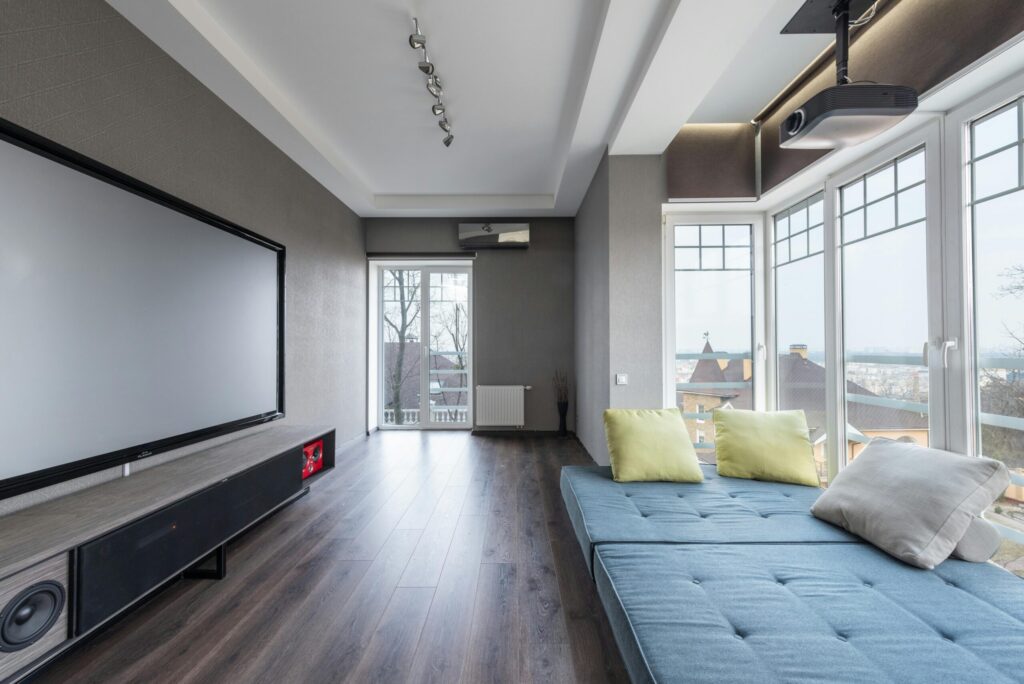
Our Basement Finishing Process
1. Initial Consultation & Goals
We discuss your vision, needs, budget, and any concerns about your current basement space.
2. Site Evaluation
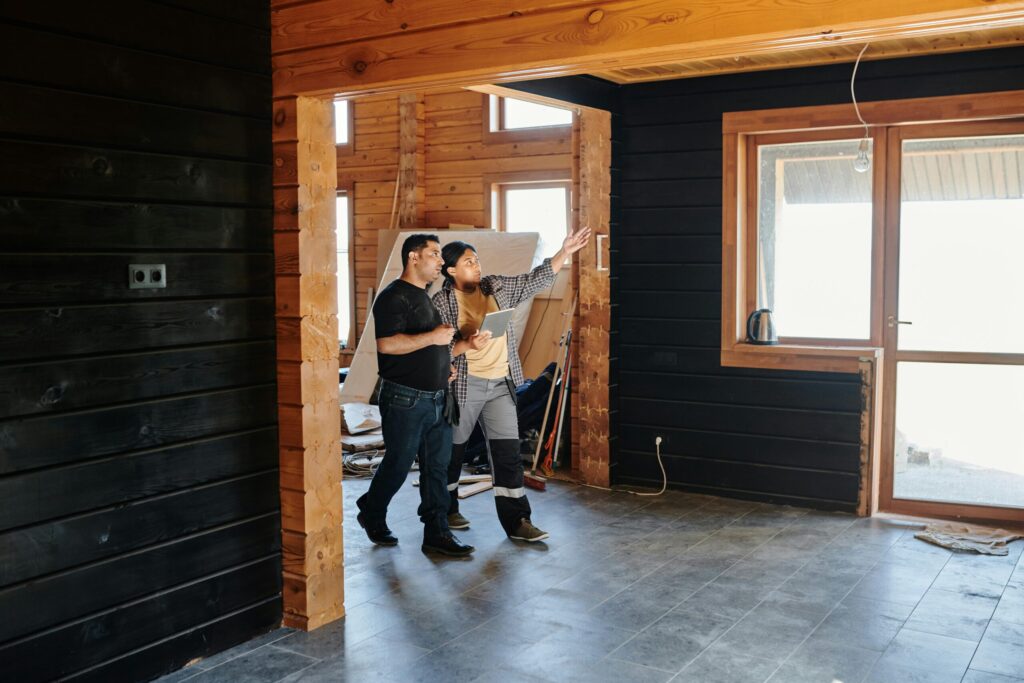
A qualified contractor evaluates your basement in person, reviewing moisture levels, ceiling height, structural elements, and existing utilities.
3. Design & Scope Definition
Detailed plans are developed outlining layout, materials, systems, timeline, and project scope with clear cost expectations.
4. Contractor Matching
We connect you with licensed, insured basement contractors experienced with projects similar to yours so you can compare approaches and pricing.
5. Permits & Construction
Your contractor handles permits, inspections, scheduling, and construction while providing regular progress updates throughout the project.
6. Final Inspection & Walkthrough
All work is inspected for code compliance, followed by a final walkthrough to ensure everything meets expectations before project completion.
Basement Finishing in Downtown Boise — What Homeowners Should Know
The Heart of Idaho’s Capital City
Downtown Boise represents Idaho’s economic, cultural, and governmental center, offering residents an urban lifestyle with small-city charm. Bounded roughly by 30th Street to the west, Warm Springs Avenue to the east, the Boise River to the south, and State Street to the north, downtown encompasses several distinct sub-neighborhoods including the Cultural District, Basque Block, BoDo (Boise Downtown), Linen District, and areas near the Idaho State Capitol. The downtown residential population is growing rapidly, with projections showing residents doubling by 2025 as urban housing demand increases. Downtown features a mix of historic buildings, modern mixed-use developments, luxury condominiums, converted lofts, and traditional single-family homes. The area boasts Idaho’s highest employment concentration, with jobs projected to increase significantly by 2030, making it attractive to professionals seeking walkable commutes and vibrant urban amenities.
Urban Housing Types and Basement Considerations
Downtown Boise’s housing diversity reflects its evolution from historic capital to modern urban center. Traditional single-family homes—including Victorian, Queen Anne, Craftsman, and early 20th-century cottages—exist throughout residential pockets, particularly in quieter neighborhoods away from the commercial core. Many of these historic homes include basements, though their configuration, ceiling height, and condition vary widely based on construction era and maintenance history. In contrast, modern downtown living increasingly centers on condominiums, lofts, and townhomes in buildings like The Aspen Lofts, CitySide Lofts, The Jefferson, Imperial Plaza, and Park View East. While many condo and loft buildings don’t feature individual basements, some townhome-style units and converted buildings may include below-grade spaces. Additionally, Boise’s new zoning code encourages Accessory Dwelling Units (ADUs) that can involve converted basements, reflecting evolving approaches to urban density and housing diversity.
Historic Preservation and Modern Urban Development
Downtown Boise balances historic preservation with contemporary urban development. Properties within historic districts or individually listed historic buildings may be subject to review for exterior modifications through local preservation processes. While purely interior basement finishing typically doesn’t trigger historic preservation review, any exterior changes—such as adding egress windows visible from streets or altering building facades—may require additional approvals beyond standard building permits. Downtown is also experiencing significant revitalization, including the pedestrian-friendly 8th Street improvements completed in March 2024, with Phase 2 design continuing into 2025. New mixed-use developments and building conversions are transforming the urban fabric. This dynamic environment means contractors working downtown must navigate both historic preservation considerations for older buildings and modern building standards for recent construction.
City of Boise Permitting for Urban Properties
All basement finishing projects in Downtown Boise require permits through the City of Boise Planning and Development Services. The permitting process includes building permits along with separate electrical, plumbing, and mechanical permits depending on project scope. Basement bedrooms require egress windows meeting International Residential Code requirements for emergency escape—typically minimum openings of 5.7 square feet with specific dimension and height standards. Urban properties present unique permitting considerations: limited lot access, shared walls in attached housing, HOA requirements in condominium buildings, and potential historic district review. Approval timelines vary based on project complexity and whether additional reviews are needed. Contractors experienced in downtown environments understand these urban-specific considerations and can navigate city permitting efficiently while addressing the practical realities of working in dense urban settings.
Climate and Urban Living Advantages
Downtown Boise experiences the same high desert climate as the broader area—hot, dry summers regularly exceeding 90 degrees and cold winters with moderate snow. However, urban living offers certain climate advantages. The urban heat island effect moderates temperature extremes slightly, and multi-story buildings provide insulation from neighbors above and below. Basements in downtown properties maintain naturally stable temperatures year-round, staying cooler during summer heat and warmer during winter cold once properly finished and conditioned. The dry climate reduces moisture concerns common in humid regions, though proper foundation drainage remains important. Many downtown properties benefit from municipal infrastructure including good stormwater management. Urban basements often require creative HVAC solutions given space constraints and building configurations, with contractors experienced in downtown projects understanding options from extending existing systems to installing ductless mini-splits appropriate for urban properties.
The Downtown Lifestyle: Walkable Urban Convenience
Downtown Boise offers an exceptional urban lifestyle centered on walkability and convenience. With a Walk Score of 81, downtown is Boise’s most walkable neighborhood, allowing residents to handle daily needs on foot or by bike. The area provides immediate access to employment, dining, entertainment, shopping, and culture. Residents enjoy The Grove Plaza, 8th Street’s revitalized corridor, the Basque Block’s unique restaurants and bars, Bittercreek Alehouse, Fork restaurant, Bardenay Distillery, and countless local favorites. Cultural amenities include the Idaho State Capitol, Boise Art Museum, Egyptian Theatre, and multiple performance venues. Julia Davis Park offers 89 acres with the Idaho Botanical Garden, Zoo Boise, and river access, while the Greenbelt provides 25 miles of pathways. Boise State University enriches downtown with sporting events, performances, and student energy. The close-in neighborhood feel, despite urban density, attracts young professionals, empty-nesters, and anyone seeking less car-dependent living. Basement finishing in downtown properties often creates home offices for professionals who value walkable work commutes, guest suites for visiting family exploring the city, or entertainment spaces leveraging the vibrant urban location.
Basement Finishing Costs in Downtown Boise
Typical Project Cost Ranges
Basement finishing costs in Downtown Boise reflect both standard Boise pricing and the unique considerations of urban properties. Here are realistic ranges for common basement finishing scenarios:
| Project Type | Square Footage | Typical Cost Range |
|---|---|---|
| Basic Rec Room | 400-600 sq ft | $18,000-$36,000 |
| Home Office + Storage | 400-600 sq ft | $20,000-$40,000 |
| Guest Suite with Bedroom & Bath | 500-700 sq ft | $26,000-$52,000 |
| Entertainment Space + Wet Bar | 700-900 sq ft | $34,000-$64,000 |
| Complete Basement (2 Bedrooms, Bath, Living) | 1,000-1,200 sq ft | $45,000-$90,000 |
| Luxury Urban Finish | 800-1,000 sq ft | $50,000-$100,000 |
These ranges typically include framing, insulation, drywall, flooring, electrical, lighting, and painting. Additional features like bathrooms, kitchenettes, or custom built-ins increase costs accordingly.
Key Factors That Influence Pricing
Several elements significantly impact basement finishing costs in downtown properties. Existing conditions matter most—dry basements with adequate ceiling height and no moisture issues cost less than those requiring foundation work, waterproofing, or solutions for lower ceilings common in older buildings. The age and type of property influences considerations; historic homes may need system updates, while modern townhomes or conversions might have contemporary infrastructure. Access presents unique urban challenges—limited street parking, tight alleyways, shared entrances, and multi-story buildings without elevators can increase labor costs for material delivery. Egress window installation in urban settings may be more complex due to limited exterior space, property lines, sidewalks, or building proximity. HVAC solutions vary widely in urban properties; extending existing systems may not be feasible in some configurations, requiring creative alternatives. Historic properties may need specialized approaches to respect building integrity. Condo or townhome projects must coordinate with HOA requirements and potentially neighbors sharing walls or utilities.
Downtown-Specific Cost Considerations
Working in Downtown Boise presents unique cost factors related to urban density and property diversity. Access challenges in downtown settings—from narrow streets to limited parking to multi-story buildings—can affect project logistics and material delivery costs. Permit fees may vary for different property types, and historic properties requiring preservation review may have longer approval timelines. Some downtown properties share walls, requiring additional soundproofing considerations and coordination with neighbors. Urban properties may have complex utility configurations or shared systems requiring careful planning. However, downtown’s strong property values—with condos ranging from $200,000 to over $2 million and historic homes commanding premium prices—mean quality basement finishing typically provides excellent returns on investment. The downtown lifestyle premium justifies investments in functional, thoughtfully finished spaces that maximize limited urban square footage and enhance already-valuable properties in Boise’s most walkable, amenity-rich neighborhood.
Understanding Comprehensive Urban Project Estimates
Quality contractors provide detailed, itemized estimates breaking down all project components: structural assessment appropriate for your property type, any foundation or moisture work needed, materials suitable for urban living, labor accounting for access considerations, permits, egress window installation if feasible and required, HVAC solutions appropriate for your building configuration, and reasonable contingencies. This transparency helps you understand exactly where your investment goes and make informed decisions. Reputable contractors also discuss downtown-specific considerations during consultations—whether HOA requirements in condos, historic preservation considerations, access logistics, ceiling height limitations, or approaches that maximize functionality in urban spaces. They explain how urban constraints and opportunities influence project design and execution. This upfront communication establishes realistic expectations and helps you plan a basement finishing project that enhances your downtown property while respecting its unique urban characteristics.
What Makes Our Contractor Network Different
Experience with Urban and Historic Properties
Contractors in our network have extensive experience working throughout Downtown Boise’s diverse property types—from Victorian homes in residential pockets to converted industrial lofts to modern townhomes in new developments. They understand construction methods spanning over a century, from stone foundations in 1800s buildings to contemporary engineered systems in recent construction. They’re familiar with challenges unique to urban properties: limited ceiling heights, unusual configurations, shared utilities, complex access, and integration with historic structures. They know how to work within the constraints of urban properties while creating functional, comfortable finished spaces. This diversity of experience ensures your basement finishing project respects your specific property type and urban location while maximizing what’s possible within your building’s unique characteristics.
Navigating Permits and Historic Preservation
Our contractors work regularly with the City of Boise Planning and Development Services and understand permitting requirements for urban properties. They know when historic preservation review may be needed and can navigate that process efficiently. They understand egress window requirements and the practical challenges of implementing them in urban settings with limited exterior space or adjacent properties. They’re familiar with HOA requirements in condominium buildings and how to coordinate approvals. They handle permit applications accounting for property-specific considerations and ensure projects meet all applicable codes. For homeowners, this expertise means clear guidance on what approvals are needed, realistic timelines accounting for downtown-specific factors, and confidence that finished basements will satisfy all requirements while respecting the unique nature of urban properties.
Understanding Downtown Lifestyle and Values
Our contractors appreciate what draws people to downtown living—walkability, culture, dining, entertainment, professional opportunities, and the energy of urban life. They’ve worked throughout downtown’s various neighborhoods and understand the lifestyle considerations that make basement finishing valuable in urban contexts. They approach projects understanding that downtown residents often prioritize different features than suburban homeowners—home offices for professionals who walk to work, entertainment spaces leveraging urban amenities, guest suites for visitors exploring the city, or ADU conversions creating rental income or multi-generational housing. They work considerately in dense urban settings where neighbors are close, managing noise, access, and construction timing with respect for shared urban environments. This urban-oriented approach translates into professional service recognizing your project’s role in enhancing your downtown lifestyle.
Creative Solutions for Urban Constraints
Our contractors understand how to finish basements successfully within urban constraints. They’re experienced with creative HVAC solutions appropriate for compact urban properties—from extending systems through challenging pathways to installing ductless mini-splits in configurations where traditional ductwork isn’t feasible. They know how to maximize functionality in spaces with lower ceiling heights through thoughtful design and finish selections. They understand soundproofing considerations in attached properties. They’re skilled at working in tight urban environments with limited material storage, complex access routes, and close proximity to neighbors and businesses. This urban expertise ensures your finished basement performs well despite the unique challenges of downtown properties, creating functional, comfortable space that enhances your urban home.
Local Presence and Downtown Community Respect
Working with contractors who serve Downtown Boise regularly means they’re invested in their reputation in the city’s most visible, connected neighborhood. Downtown’s density means their work is seen by many, creating strong accountability. They understand the importance of considerate practices in urban settings—managing construction activities, respecting parking, minimizing disruption to neighbors and businesses, and maintaining professionalism in Boise’s civic and cultural center. If questions arise after project completion or adjustments are needed, contractors with established downtown presence remain accessible and responsive. You’re working with professionals who view your satisfaction as essential to their continued success in Idaho’s capital city and understand their work contributes to downtown’s ongoing evolution and revitalization.
Licensed & Insured Contractors Only
Every contractor in our network maintains active Idaho contractor licensing and carries comprehensive general liability and workers’ compensation insurance. We verify this documentation before making any referrals, protecting homeowners from potential liability concerns or unlicensed work. This vetting process means you can proceed confidently, knowing you’re working with legitimate professionals who meet state and industry standards. Quality contractors view proper licensing and insurance not as bureaucratic obligations but as fundamental aspects of running a responsible business that protects both their team and your investment in your urban home.
Start Your Basement Finishing in Downtown Boise Today!
Let’s chat about your ideas! Getting started is easy – simply reach out with details about your basement remodeling project, and we’ll connect you with qualified, licensed contractors in the area.
REAL STORIES FROM SATISFIED CUSTOMERS
Need Help?
Frequently Asked Questions About Basement Finishing in Downtown Boise
Below are some of the most common questions Our Network get from families about Basement Remodeling. If you have any other questions contact us!
Do I need a permit to finish my basement?
Yes, basement finishing requires building permits in Boise. The City requires permits for structural framing, electrical work, plumbing installations, and mechanical systems. Any bedroom space created in a basement also requires egress windows that meet specific safety codes. Contact Boise Planning and Development Services at (208) 608-7070 for project-specific guidance.
How long does a typical basement finishing project take?
Most basement finishing projects take 6-12 weeks from permit approval to final inspection, depending on the scope. Simple open-space finishes move faster than projects with bathrooms and multiple rooms. Winter weather rarely affects basement work since it’s interior construction, though permit processing times vary throughout the year. Your contractor can provide a more specific timeline based on your project details.
What's the most important thing to address before finishing a basement?
Moisture control should be evaluated first. While Boise’s dry climate means less moisture risk than humid regions, water intrusion during spring snowmelt or heavy rains can damage finished spaces. Have contractors assess your foundation for any water issues and address them before finishing work begins. Proper drainage, waterproofing, and vapor barriers protect your investment long-term.
Can I add a bedroom in my basement?
Yes, but bedrooms require emergency egress windows that meet minimum size requirements. The window must provide adequate openable area and proper sill height from the floor. Window wells need appropriate dimensions and may require ladders or steps. Smoke and carbon monoxide detectors are also required. A licensed contractor familiar with Boise code requirements can design compliant bedroom spaces in your basement.
Talk to a Basement Finishing Contractor in Downtown Boise Today
Whether you’re in a historic Victorian near the Capitol, a modern loft in the Linen District, a condo at CitySide or The Aspen, a townhome in BoDo, or a converted building in the Cultural District, we connect you with contractors who know downtown. They understand the unique considerations of finishing basements in Downtown Boise—from navigating urban constraints to working with diverse property types to appreciating the walkable lifestyle and cultural richness that make downtown Boise Idaho’s most dynamic urban neighborhood.