
Professional Home Addition Contractors in Idaho City, ID
Looking for home addition contractors in Idaho City, ID? We work with licensed, insured professionals who deliver quality construction and handle every aspect of your addition from design through final inspection.
Popular Home Addition Services in Idaho City
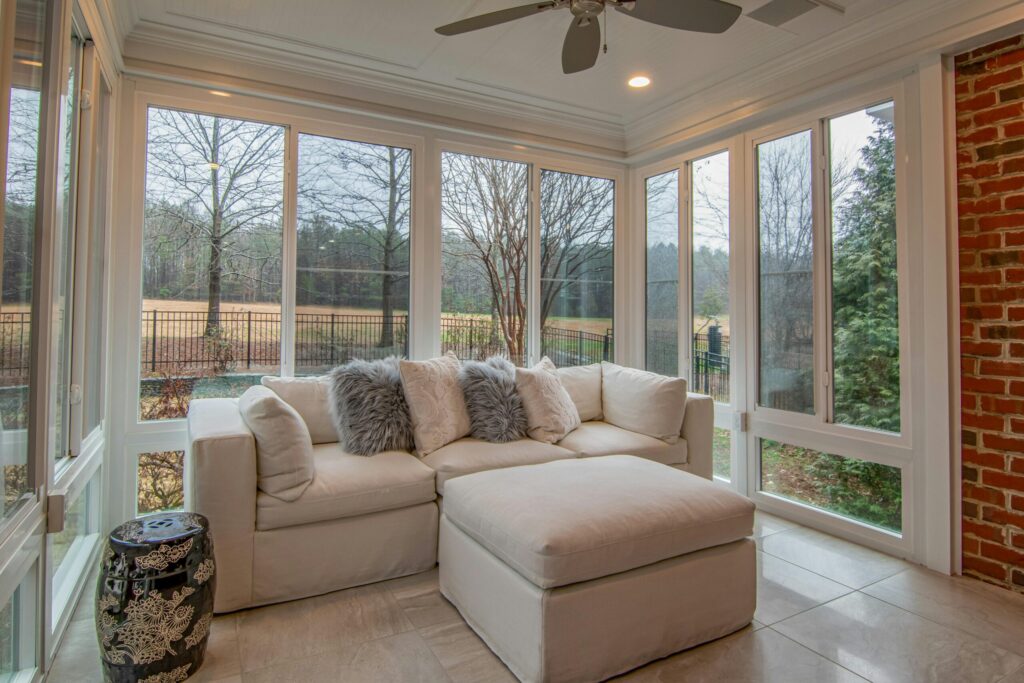
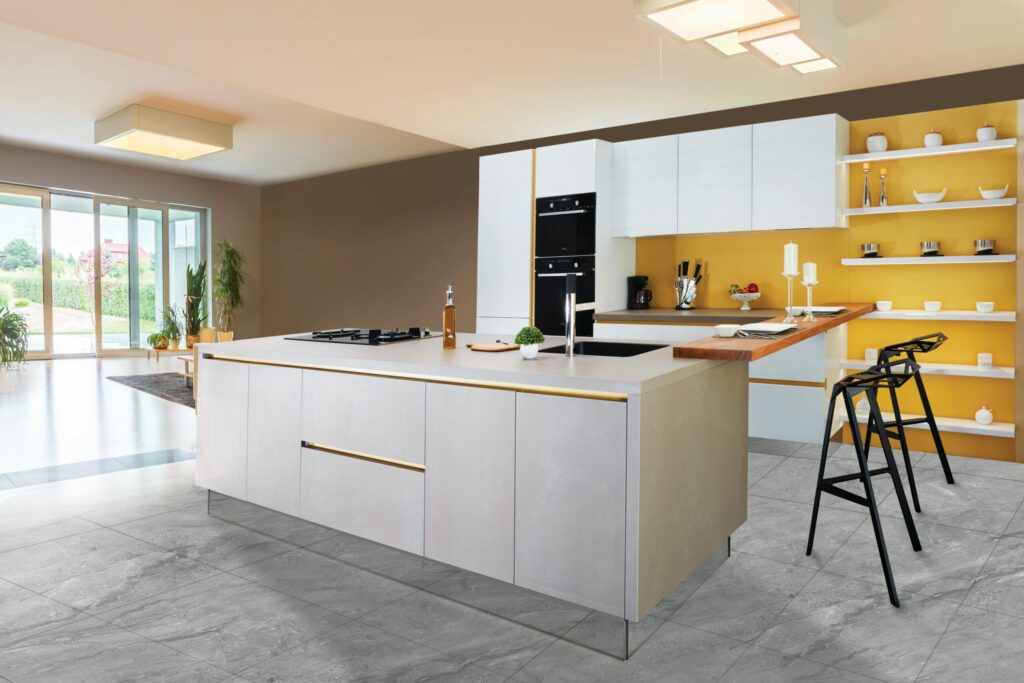
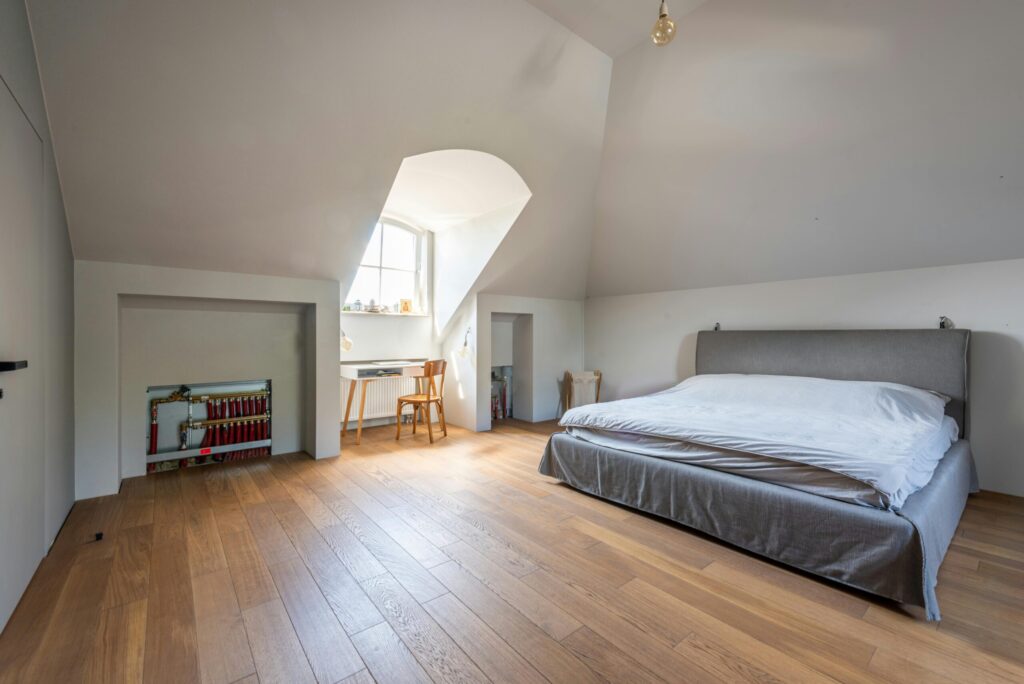
Our Home Addition Process
1. Initial Consultation & Planning
We discuss your needs, budget, property constraints, and vision for the addition. This conversation helps identify suitable contractors for your specific project.
2. Property and Feasibility Assessment
Contractors evaluate your property, existing structure, zoning constraints, and lot coverage. They identify any challenges and determine feasibility for your planned addition.
3. Design Development
Contractors or their design partners create detailed plans showing layout, elevations, structural details, and material specifications. Designs integrate with your existing home's architecture and meet building codes.
4. Contractor Matching
We connect you with licensed, insured contractors experienced in projects similar to yours. You receive multiple consultations to compare approaches, timelines, and pricing.
5. Permits and Approvals
Your contractor prepares permit applications, submits plans to the building department, and obtains all required approvals before construction begins.
6. Construction
Work proceeds according to the approved schedule. Contractors coordinate trades, schedule inspections, and maintain communication throughout the build process.
7. Final Inspection & Walkthrough
All work is inspected for code compliance, followed by a final walkthrough to ensure everything meets expectations before project completion.
Home Additions in Idaho City — What Homeowners Should Know
Idaho City’s Historic Character and Mountain Setting
Idaho City holds a special place in Idaho history as the site of the Boise Basin gold rush—once the largest city in the Pacific Northwest with over 7,000 residents in the 1860s, surpassing even Portland during the height of the mining boom. Today, this Boise County seat is home to approximately 536 residents who appreciate the town’s rich heritage and mountain lifestyle. The entire city was designated a National Register Historic District in 1975, recognizing 15 contributing buildings including the I.O.O.F. Hall from 1855, the Boise Basin Mercantile from 1870, St. Joseph’s Catholic Church from 1863, and the 1873 county courthouse. At an elevation of 4,400 feet in the Boise National Forest, Idaho City sits where Elk Creek and Mores Creek meet, surrounded by pine and fir-covered ridges and higher mountain peaks. Many homes reflect the town’s mining heritage with older construction dating back generations, while others are more recent builds designed for mountain living. If you’re planning an addition, understanding both the historic context and the demands of high-elevation construction is essential.
Dual Permitting: County and City Requirements
Home additions in Idaho City require permits from both Boise County and the City of Idaho City. For Boise County Building Permits, applications go through the Boise County Planning and Zoning Department located at 413 Main Street. Contact them at (208) 392-2293, Monday through Thursday from 8:00 AM to 5:00 PM and Friday from 8:00 AM to 1:00 PM. For inspections, call (208) 781-8565 allowing 48 hours notice excluding weekends. Building permit questions go to [email protected]. The county requires a pre-application meeting with the Planning and Zoning Administrator for all land use and development applications prior to submission. Additionally, the City of Idaho City maintains its own building permit requirements—contact City Hall at (208) 392-4584 for city-specific requirements. Contractors familiar with Idaho City understand this dual permitting structure and can navigate both processes efficiently.
Historic District Considerations
Because the entire city is a National Register Historic District, additions to properties within the historic core should respect the town’s architectural character. While National Register listing doesn’t prohibit alterations to private property, maintaining the historic fabric that defines Idaho City benefits both individual homeowners and the community. Many properties feature architectural details from the late 1800s and early 1900s—wood siding, traditional window configurations, simple trim details, and forms that reflect mining-era construction. Additions that complement rather than overwhelm existing structures help preserve the town’s unique character. Contractors experienced in Idaho City understand how to design additions that provide modern functionality while respecting historic context.
Building Standards for Mountain Construction
Boise County has specific building requirements designed for mountain conditions. The county requires 36-inch frost depth for foundations and designs must account for 90 MPH wind speeds. These standards reflect Idaho City’s elevation and exposure to severe winter weather. Your addition must meet Idaho’s energy code requirements including appropriate insulation levels, air sealing, and window specifications for the climate zone. The town’s location in the Boise National Forest means defensible space requirements apply—your site plan must show compliance with Wildland-Urban Interface standards. Contractors familiar with Idaho City construction know how to design foundations, framing, and building envelopes appropriate for the conditions.
Climate Challenges and Construction Considerations
Idaho City experiences a continental Mediterranean climate with cold, snowy winters and warm, dry summers marked by large day-to-night temperature swings. The town averages 224 nights below freezing per year and 26 days that don’t top 32°F. Winter lows frequently drop below 0°F, with approximately 72 inches of snow annually. Summer temperatures reach the 70s and 80s but cool significantly at night. This extreme climate range influences every aspect of addition construction—from foundation depth to insulation strategies to roof design for heavy snow loads. The town receives significantly more precipitation than Boise at lower elevations, with most falling as snow between November and April. Construction timelines should account for weather constraints, particularly during winter months when access and working conditions become challenging.
Well, Septic, and Mountain Utility Considerations
Many Idaho City properties rely on private wells and septic systems. If your addition increases bedroom count or significantly adds to water usage, septic system evaluation becomes essential. Septic permits come from Southwest District Health Department separately from building permits. Well capacity should be verified to ensure adequate flow for expanded household needs. Some properties near town center may have city water and sewer service, but confirming which utilities serve your property is an early planning step. Idaho Power serves the area, though properties farther from town may have longer utility runs affecting addition planning and costs.
Home Addition Costs in Idaho City
Typical Project Cost Ranges
Home addition costs in Idaho City reflect general Idaho construction pricing with adjustments for mountain location, historic property considerations, and the specific building requirements for high-elevation construction. Below are general ranges:
| Addition Type | Square Footage | Typical Cost Range |
|---|---|---|
| Bump-out or small expansion | 50-150 sq ft | $10,000 – $40,000 |
| Single-room addition | 150-300 sq ft | $30,000 – $85,000 |
| Large single-story addition | 300-600 sq ft | $70,000 – $165,000 |
| Multi-room addition | 600-1,000 sq ft | $140,000 – $275,000 |
| Second-story addition | 800-1,200 sq ft | $180,000 – $390,000+ |
These ranges include materials and labor but may not include well/septic modifications, foundation challenges on historic properties, extended construction timelines due to weather, or materials appropriate for historic character.
Key Factors That Influence Pricing
Several variables significantly impact addition costs in Idaho City. Foundation requirements can be substantial—the county’s 36-inch frost depth requirement means deeper excavation and more concrete than lower-elevation builds. If your home sits on an older rubble stone or brick foundation common in historic properties, tying in new construction requires specialized techniques and potentially higher costs. Mountain weather extends construction timelines—snow, freezing temperatures, and limited daylight hours in winter mean projects may take longer than similar work in the valley, affecting labor costs. Material delivery to Idaho City from Treasure Valley suppliers adds transportation costs and requires careful scheduling. Energy code compliance for this climate zone requires robust insulation, quality windows, and air sealing that exceed minimum standards in milder locations.
Historic Property Considerations
Many Idaho City homes date back to the mining era or early 1900s, presenting unique challenges. Older homes may have settling, previous modifications of varying quality, or systems that need updating when adding space. If your home features historic wood siding, traditional windows, or period-appropriate details, matching these elements in your addition costs more than using standard modern materials but maintains both aesthetic coherence and property value. Some properties within the most significant parts of the historic district benefit from additions designed by professionals familiar with historic preservation principles, adding design fees but ensuring appropriate results. Understanding your home’s age and condition helps contractors provide accurate estimates.
Mountain Location and Logistics
Building at 4,400 feet elevation in a small mountain town presents logistical factors that affect costs. Winter construction becomes difficult or impossible during the coldest months, potentially requiring projects to pause until spring. Material deliveries must account for Highway 21 conditions, especially during winter storms. Some suppliers charge additional fees for delivery to Idaho City, and specialized materials may require longer lead times. Contractors traveling from outside Idaho City may factor in travel time and mileage. However, Idaho City’s location just 24 miles northeast of Boise via Highway 21 means it’s not truly remote, and many contractors regularly serve the area.
Well and Septic System Modifications
If your addition adds bedrooms or substantially increases water usage, septic system evaluation is critical. Older systems common in Idaho City may lack capacity for expansion, requiring new drain fields, tank upgrades, or complete system replacement. Mountain soil conditions and percolation rates affect septic design and costs. Well capacity testing ensures your water supply can handle increased demand—some additions require pressure tank upgrades, pump replacements, or water treatment system modifications. These infrastructure costs are unique to properties with private systems and should be factored into budgeting early.
Transparent, Itemized Estimates
Given Idaho City’s unique conditions, detailed estimates are essential. Quality contractors provide comprehensive breakdowns including Boise County permit fees, City of Idaho City permit fees, pre-application meeting costs if applicable, foundation work itemized separately with contingencies for depth requirements and potential unknowns on older properties, materials with delivery costs noted, labor costs accounting for potential weather delays, utility modifications including well/septic considerations, and defensible space/wildfire mitigation work if required. Mountain projects benefit from larger contingency allowances given increased potential for unexpected conditions. Understanding these details helps you budget appropriately.
What Makes Our Contractor Network Different
Experience with Boise County and Idaho City Permitting
The contractors in our network have successfully navigated both Boise County Planning and Zoning requirements and City of Idaho City building permits. They understand the importance of pre-application meetings, know the county’s 36-inch frost depth and 90 MPH wind speed requirements, can prepare site plans showing defensible space compliance, and manage the inspection scheduling process requiring 48-hour notice. They prepare submittals that meet both county and city expectations and can address questions during review. This dual-jurisdiction experience means smoother approvals and fewer delays.
Historic Property and Mining-Era Construction Experience
Working on older Idaho City homes requires different skills than new construction. Our network contractors have experience with mining-era buildings, early 1900s construction techniques, and historic properties. They understand how to assess older foundations, work with original framing systems, match historic materials and details, and design additions that complement rather than compromise historic character. They know when to consult structural engineers for older buildings and how to upgrade systems while respecting original construction. This experience is particularly valuable in a National Register Historic District where maintaining character matters.
Mountain and High-Elevation Construction Expertise
Building at 4,400 feet in the Boise National Forest requires specific expertise. Our network contractors understand foundation design for 36-inch frost depth, framing and roof systems for heavy snow loads, insulation strategies for extreme temperature swings, water management in areas with significant precipitation, and defensible space requirements for wildland-urban interface zones. They’re experienced with construction logistics in mountain weather, know how to protect work during early/late season cold snaps, and understand which materials perform well in high-elevation conditions. This expertise results in additions built to withstand Idaho City’s demanding climate.
Understanding of Private Well and Septic Systems
Contractors experienced in Idaho City understand the implications of private utilities for home additions. They can coordinate with well drillers if capacity upgrades are needed, work with septic system designers when expansion is necessary, and design plumbing systems efficient with private water sources. They know when Southwest District Health Department involvement is required and can help navigate additional permitting. They understand mountain soil conditions affecting septic placement and performance. This expertise prevents costly mistakes and ensures your addition integrates properly with existing private systems.
Respect for Idaho City’s Community Character
Contractors familiar with Idaho City appreciate what makes this historic mountain town special. They understand that residents chose Idaho City for its unique history, tight-knit community, and mountain lifestyle. They approach additions with appropriate respect for this context, working to enhance homes while preserving the character that defines the town. Their ongoing work in Idaho City means accountability to both homeowners and the broader community. In a town of just over 500 residents where everyone knows each other, reputation matters significantly.
Licensed & Insured Contractors Only
Every contractor in our network maintains active Idaho contractor registration and carries appropriate general liability and workers’ compensation insurance. We verify these credentials before making referrals. Given the complexity of historic mountain construction, potential for unexpected conditions in older homes, and the unique challenges of building in Idaho City, working with properly licensed and insured professionals protects you from liability and ensures contractors meet Idaho’s professional standards.
Let's Start Your Home Addition in Idaho City
Let’s chat about your ideas! Getting started is easy – simply reach out with details about your home addition project, and we’ll connect you with qualified, licensed contractors.
REAL STORIES FROM SATISFIED CUSTOMERS


Need Help?
Frequently Asked Questions About Home Addition in Idaho City
Below are some of the most common questions Our Network get from families about Home Addition. If you have any other questions contact us!
Do I need a permit for a home addition?
Yes, all home additions require building permits through Meridian Building Services via their online Citizen Access Portal. Additions need architectural and structural plans, engineering stamps, and separate electrical, plumbing, and mechanical permits. Contact Planning at (208) 884-5533 to verify setback compliance.
How long does a home addition project take?
Design and engineering take 4-8 weeks, HOA approval adds 3-6 weeks, permit processing adds 3-5 weeks, and construction takes 3-5 months for single-story additions. Total timeline typically runs 5-8 months. Second-story additions may require 6-10 months due to complexity.
Can I add a second story to my home?
Yes, if existing structure can support additional load and zoning allows the height increase. Requires structural engineering analysis, HOA approval if applicable, and building permits. Height limits vary by zoning district. Contractors can assess feasibility during initial consultations.
What should I budget for a home addition?
Small additions (200-300 sq ft) start around $40,000-$80,000, mid-size additions run $80,000-$150,000, large additions range $150,000-$250,000, and second-story additions exceed $180,000. Costs vary based on foundation type, finish level, and utility upgrades needed.
Talk to a Home Addition Contractor in Idaho City Today
Whether your home is near the historic Main Street district, along Elk Creek or Mores Creek, on a property backing up to Boise National Forest land, or anywhere else in Idaho City, finding the right contractor for your addition means working with professionals who understand this unique mountain town. We’ve built our network specifically to connect Idaho City homeowners with experienced local contractors who respect the town’s historic character, understand high-elevation construction requirements, and deliver quality work appropriate for both mining-era homes and modern mountain properties.