
Professional ADU Builders in Emmett, ID
Looking for a trusted ADU builders in Emmett, ID? Want extra income every month? Need space for aging parents or adult kids? An ADU (Accessory Dwelling Unit) could be your answer!
Popular ADU Services in Emmett


Our ADU Process
Step 1: Tell Us Your Goals
Share your ADU vision, budget, and property details through our simple online form or give us a call.
Step 2: We Match You With Local Builders
We connect you with vetted ADU contractors who have experience, understand permitting process, and can work with your neighborhood's characteristics.
Step 3: Get Free Design Ideas & Quotes
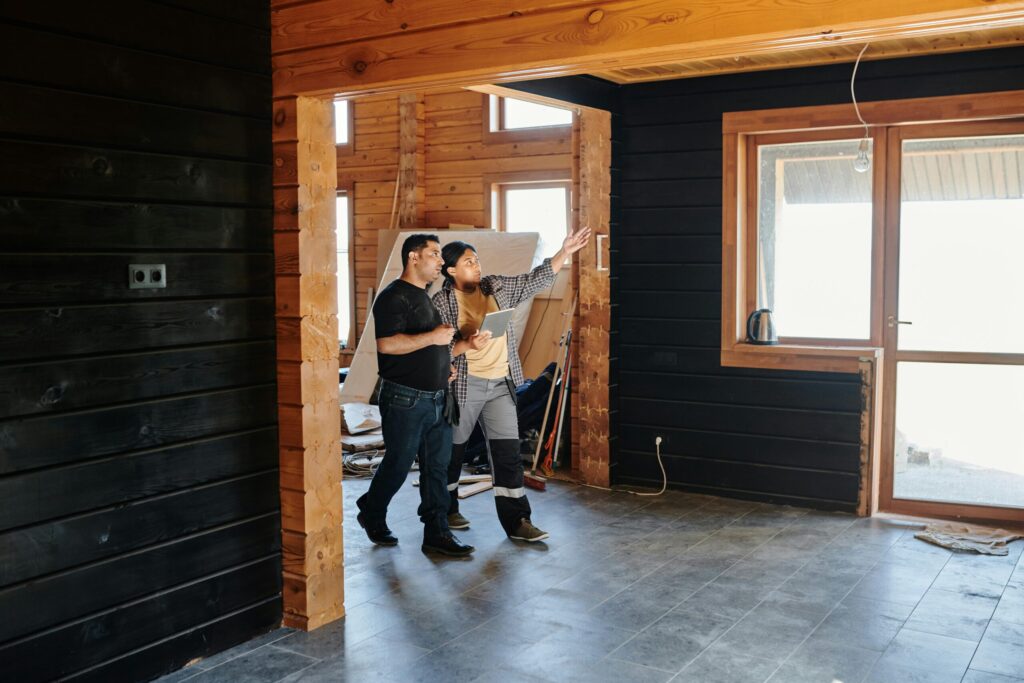
Receive detailed proposals and initial design concepts at no cost or obligation. Contractors will visit your property to assess lot layout, utilities, and site conditions.
Step 4: Choose Your Builder
Compare your options, review portfolios of completed ADU projects, and select the contractor who's the best fit for your project and budget.
Step 5: Navigate Permits Together
Your builder handles permits and, if applicable, HOA architectural approvals, keeping you informed throughout the approval process.
Step 6: Watch Your ADU Come to Life
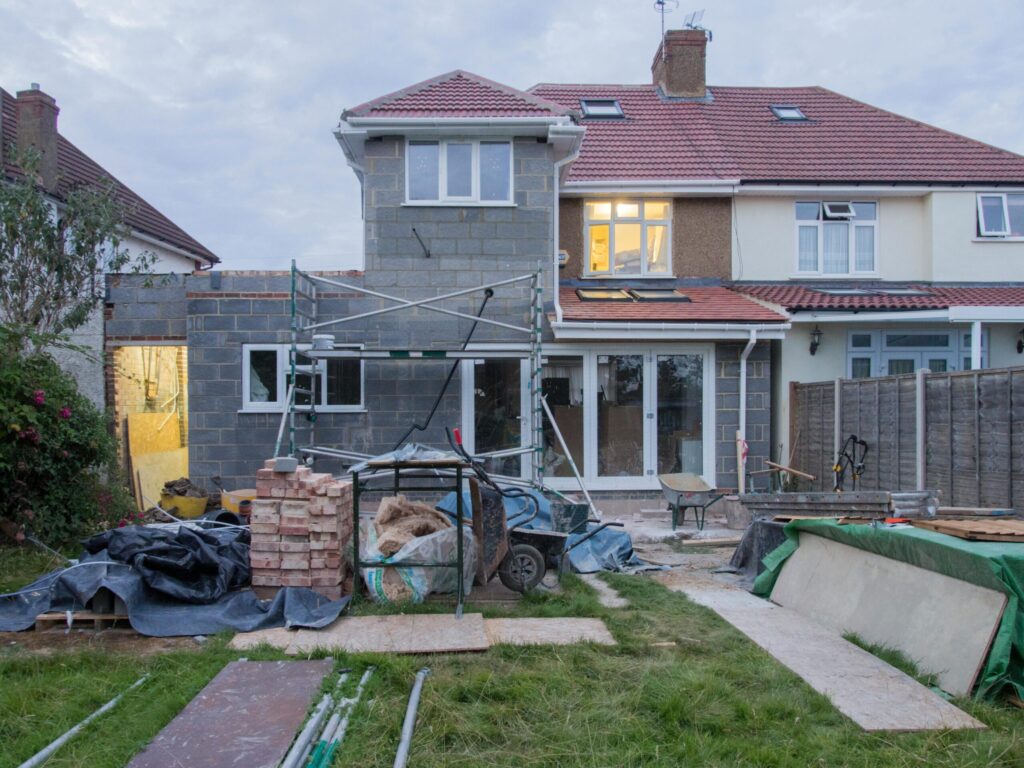
Your chosen builder handles all aspects of construction—foundation, framing, utilities, finishes, inspections, and final walk-through—while keeping you informed every step of the way.
Let's Start Your ADU Project in Emmett
Let’s chat about your ideas! Getting started is easy – simply reach out with details about your ADU project, and we’ll connect you with qualified, licensed contractors.
ADU's in Emmett — What Homeowners Should Know
Small City Character with Growing Subdivisions
Emmett sits at approximately 2,362 feet elevation along the southern bank of the Payette River, about 30 miles northwest of Boise. The city has grown to around 7,600 residents and serves as the county seat of Gem County. Emmett has traditionally been an agricultural community—known as the “Valley of Plenty” for its orchards and farmland—and most of the housing stock reflects this heritage. Older homes near the historic downtown area feature traditional ranch-style construction and modest lot sizes, while newer growth has brought planned subdivisions like Highland and Harvest Valley on the east side of town, with modern homes on quarter-acre to half-acre lots.
City Limits vs. County Jurisdiction
Whether you’re inside Emmett city limits or in unincorporated Gem County makes a significant difference for ADU projects. Properties within the city work with the City of Emmett Building and Planning Department for permits and inspections. The city has invested in its municipal wastewater treatment system, and many in-town properties have access to city sewer, which can simplify the approval process. Outside city limits, Gem County regulates ADUs as “secondary dwellings” with specific requirements: they’re allowed only in agricultural zoning, parcels must be at least five acres, and the units cannot exceed 1,100 square feet. County secondary dwellings also require owner occupancy of either the main home or the ADU.
Climate and Construction Timing
Emmett experiences a semi-arid climate with four distinct seasons. Summer temperatures regularly exceed 100 degrees, while winter can bring occasional single-digit cold snaps, though snow typically melts by mid-morning. This temperature swing requires proper insulation, efficient HVAC systems, and materials that handle freeze-thaw cycles. The area is also surrounded by wildfire-prone terrain, which can affect air quality during fire season. Construction schedules should account for extreme summer heat and occasional winter weather, with most major projects planned for spring and fall.
Wastewater Considerations
Your wastewater situation often determines the feasibility and cost of an ADU project in Emmett. If your property is on city sewer, the path is typically straightforward—you’ll need to verify capacity and follow city connection procedures. Many properties in town and virtually all properties outside city limits use septic systems. Adding an ADU increases household wastewater flow, which means your existing septic system must have adequate capacity or require upgrades. The Central District Health Department reviews and approves all septic system modifications. If your current system is undersized or your soils have limited absorption capacity, you may face significant additional costs for system expansion or engineered solutions.
Property Characteristics Across the Area
Emmett properties vary widely depending on location. In-town lots typically range from 6,000 to 12,000 square feet with established utilities and relatively flat terrain. Newer subdivisions feature quarter-acre to half-acre lots with HOA covenants that may restrict or regulate ADUs. Outside the city, properties often measure in acres with well and septic systems, offering more flexibility in ADU placement but requiring greater attention to utility capacity and access. The Payette River corridor and surrounding agricultural areas provide scenic settings but may have considerations related to floodplains, irrigation easements, or agricultural zoning restrictions.
Building Permit Process
Inside city limits, the City of Emmett Building Department handles all permits and inspections. The process includes submitting detailed plans, securing necessary approvals including electrical and plumbing permits, and scheduling inspections at various construction stages. A final occupancy certificate is required before the ADU can be inhabited. County projects follow Gem County’s procedures and must meet the specific secondary dwelling standards, including recording a deed restriction that prevents the ADU from being sold separately from the main property.
ADU Costs in Emmett
Typical Project Cost Ranges
| ADU Type | Size Range | Estimated Cost Range |
|---|---|---|
| Detached Studio ADU | 400-600 sq ft | $125,000-$185,000 |
| One-Bedroom ADU | 600-800 sq ft | $185,000-$245,000 |
| Two-Bedroom ADU | 800-1,000 sq ft | $245,000-$325,000 |
| Garage Conversion | 400-700 sq ft | $105,000-$195,000 |
These ranges reflect current Treasure Valley construction costs and include materials, labor, basic site work, and permits. Your actual costs will vary based on specific property conditions and project details.
Key Factors That Influence Pricing
Several elements affect the total investment in an Emmett ADU. Material selections make a substantial difference—standard finishes cost less than high-end appliances, custom cabinetry, or specialty fixtures. Site conditions matter: level lots with good access cost less to develop than properties requiring significant grading, retaining walls, or extended utility runs. Foundation type varies with soil conditions and project design—a simple slab costs less than a full basement or crawl space foundation. The HVAC system selected affects both installation and long-term operating costs, with choices ranging from basic forced-air systems to heat pumps or ductless mini-splits.
Wastewater System Costs
For properties on city sewer, connection fees and line extensions typically run between four and five thousand dollars, though costs vary by distance and terrain. Properties on septic face different considerations. If your existing system has adequate capacity and the health district approves adding the ADU to your current permit, costs may be limited to permit amendment fees and minor modifications. If your system needs expansion, expect significant additional investment—new drain fields, larger tanks, or engineered systems can add anywhere from ten thousand to over thirty thousand dollars depending on site conditions, soil types, and system requirements.
City vs. County Project Differences
Projects inside city limits benefit from established infrastructure and streamlined permitting, though they must meet city development standards and connection requirements. Impact fees for city utilities are part of the cost structure. County properties avoid some city fees but face the five-acre minimum requirement and secondary dwelling restrictions. County projects also need to account for well capacity verification and potentially longer distances for material delivery and contractor travel. If you’re considering an ADU on a smaller county lot, it’s essential to verify zoning classification early—many smaller residential parcels in the county don’t meet the agricultural zoning requirement for secondary dwellings.
Transparent Estimates and Value Planning
Contractors in our network provide itemized estimates showing separate costs for permits, site preparation, foundation, framing and structural work, roofing, utilities (including septic or sewer connections), interior finishes, and mechanical systems. This transparency helps you understand your investment and make informed decisions about where to allocate your budget. A detailed estimate also makes it easier to discuss phasing options if needed or to identify areas where material choices might reduce costs without compromising quality.
What Makes Our Contractor Network Different
Understanding Emmett’s Dual Jurisdiction
The contractors we connect you with understand the differences between city and county requirements in Emmett. They know how to navigate city building department procedures and are familiar with Gem County’s secondary dwelling standards, including the five-acre minimum, agricultural zoning requirement, and recorded deed restrictions. This dual-jurisdiction experience prevents costly missteps and ensures your project follows the right approval path from the start.
Septic and Municipal Sewer Expertise
Successful ADU projects in Emmett require contractors who understand both city sewer systems and private septic installations. Our network includes builders experienced with Central District Health Department permitting, septic capacity evaluation, and city wastewater connection procedures. They can assess your current system, recommend appropriate solutions, and coordinate with the right specialists—whether that means working with the city utilities department or bringing in licensed septic installers and engineers.
Experience with Treasure Valley Climate
Building in Emmett means designing for temperature extremes and understanding how the semi-arid climate affects material choices and construction methods. The contractors we work with know how to specify appropriate insulation values, select HVAC systems sized for both summer heat and winter cold, and choose exterior materials that handle sun exposure and occasional freeze-thaw cycles. They understand ventilation requirements to prevent moisture issues and can design for energy efficiency in a climate with significant heating and cooling demands.
Knowledge of Local Subdivisions and Property Types
From historic downtown neighborhoods to newer planned communities like Highland and Harvest Valley, Emmett’s housing varies considerably. Our contractors understand different property types—compact in-town lots, newer subdivision parcels with HOA requirements, and rural acreage properties. They can work within HOA design guidelines when applicable, plan utility connections for different lot configurations, and adapt their approach based on whether you’re building on a quarter-acre subdivision lot or a five-acre county parcel.
Established Local Relationships
The contractors in our network have working relationships with local trades, suppliers, and officials that keep projects moving efficiently. They know which plumbers and electricians regularly work in Emmett, have established accounts with regional building suppliers, and maintain professional relationships with city and county staff. These connections mean fewer delays waiting for specialized services, competitive material pricing, and smoother coordination through the inspection and approval process.
Licensed & Insured Contractors Only
Every contractor in our network carries active Idaho contractor licensing and maintains comprehensive liability insurance and workers’ compensation coverage. We verify these credentials before making referrals, ensuring you’re protected throughout your project. This vetting process reduces your risk and provides confidence that qualified professionals will handle your property. You’ll receive documentation of licensing and insurance before work begins, and you can verify credentials independently through Idaho’s contractor licensing board if desired.
Need Help?
Frequently Asked Questions About ADU in Emmett
Below are some of the most common questions Our Network get from families about ADU. If you have any other questions contact us!
Can my HOA prevent me from building an ADU?
No. Idaho law prevents HOAs from blanket bans on ADUs, especially attached units. However, HOAs can enforce reasonable design standards, require architectural approval, and ensure your ADU matches neighborhood aesthetics.
Can I rent out my ADU in Boise?
Yes, Boise allows ADU rentals for long-term housing. Recent code changes eliminated the owner-occupancy requirement, meaning you don’t need to live in either the primary residence or the ADU—this opened ADU development to investment property owners.
How long does it take to build an ADU in Emmett?
Garage or basement conversions typically take 3-5 months including permitting. Detached new construction usually requires 6-9 months from initial design through completion, depending on weather, complexity, and permitting timelines.
Will an ADU increase my property taxes?
Yes, adding an ADU will increase your property’s assessed value and therefore your property taxes. The increase reflects the added value and square footage you’ve created. However, many homeowners find that rental income from ADUs significantly exceeds the tax increase, creating positive cash flow. For ADUs used for family purposes rather than rental income, the tax increase is part of the overall investment in expanded living space. Your county assessor determines the valuation based on size, quality, and market conditions.
REAL STORIES FROM SATISFIED CUSTOMERS


Talk to an ADU Builder in Emmett Today
Whether your property is in downtown Emmett, one of the newer subdivisions like Highland or Harvest Valley, or on acreage in the surrounding valley near Letha, Sweet, or the Black Canyon Reservoir area, connecting with the right contractor makes all the difference. We understand that adding an ADU to your Gem County property is a significant decision involving careful planning around permits, utilities, and design.